
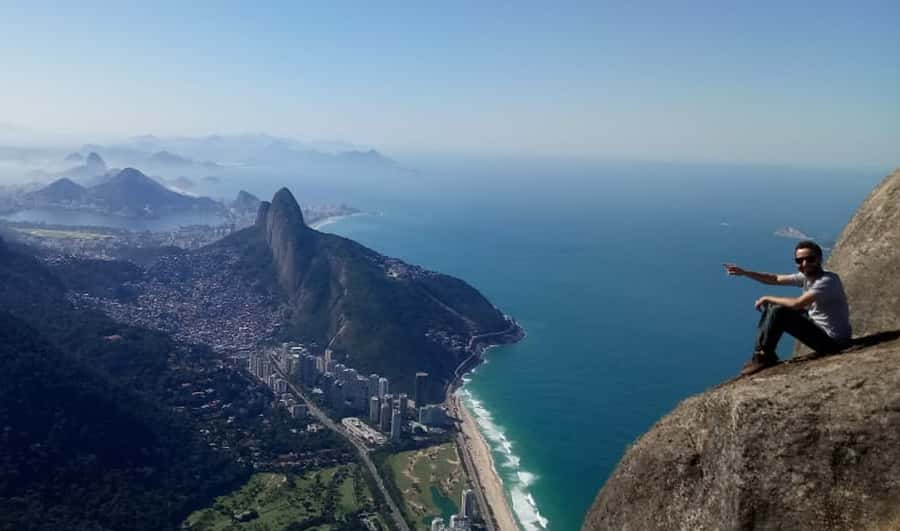
Reviewed · PEDRA DA GáVEA HIKES
Rio de Janeiro: Pedra da Gávea 7-Hour Hike
Pedra da Gávea is not a gentle viewpoint with a short path to the top. It is a steep rainforest hike with scrambling, exposure, and a secured climbing section at Carrasqueira, where you use ropes and climbing equipment to get up roughly 30 meters of rock. The reward is one of Rio’s finest high views, stretching across the city’s southern and western districts.
I like two things right away. First, the route gives you a real sense of Tijuca National Park, not just a quick photo stop. Second, the small groups and attentive guides make the technical parts feel more manageable. Eduardo, Lucas, Sergio, Fernando, and other guides have been praised for patient support, clear instructions, and taking excellent photos along the way.
The catch is simple: this is a difficult hike, not a casual city outing. You need good fitness, grippy hiking shoes, at least three liters of water, and a calm head around heights. Hot weather makes the climb harder, and clouds can hide the summit views.
Key points to know before booking
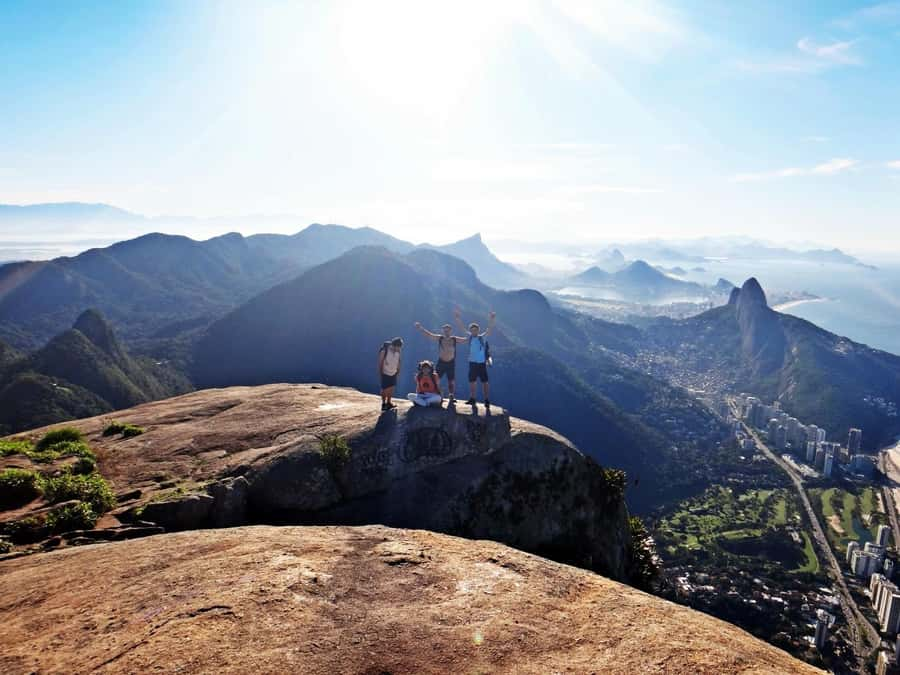
- The Carrasqueira climb is the defining moment: Expect about 30 meters of basic rock climbing with safety equipment and guide support.
- The trail starts at sea level: You climb through Tijuca National Park to a summit around 840 meters high.
- The full activity takes about eight hours: The hike itself is roughly three hours, but waits at climbing points, group pace, photos, and conditions can extend the day.
- Small groups matter: The advertised group limit is six people, though group size and time spent at the climbing sections can affect the pace.
- Guides are a major part of the value: Eduardo, Lucas, Sergio, Fernando, and others have been praised for safety help, local information, and strong photography.
- Pack for heat and effort: Bring three liters of water per person, snacks, sun protection, insect repellent, and shoes with good grip.
Why Pedra da Gávea is a serious Rio hike
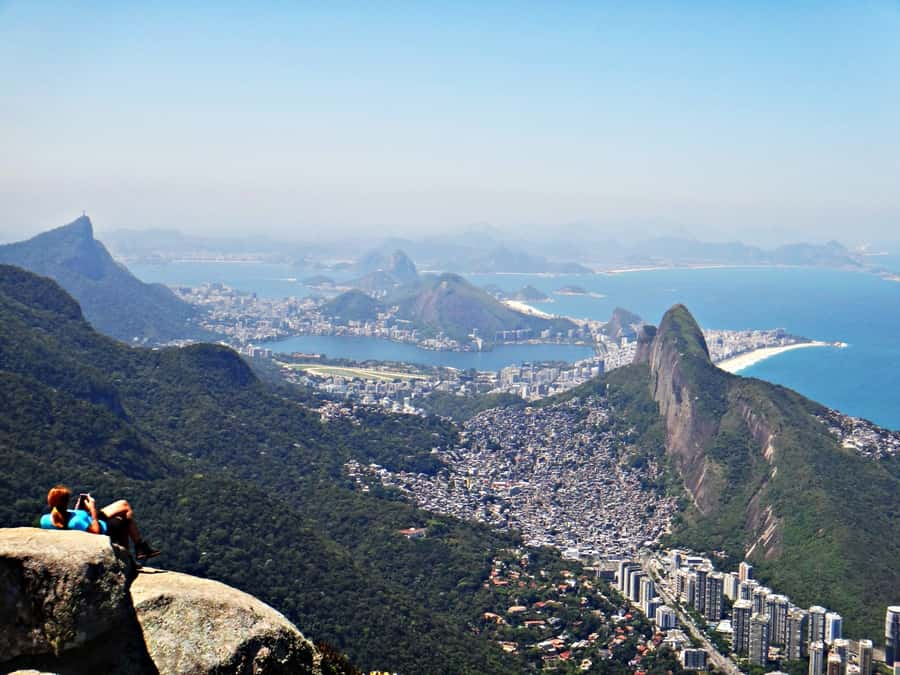
Rio gives you many ways to see the city from above, but Pedra da Gávea offers a very different kind of outing from a cable car or paved lookout. You start near sea level and work upward through forest to a huge granite monolith rising about 840 meters above the city.
That change in height is what makes the route satisfying, but it also explains the effort. The path is steep in sections, and you will use your hands for scrambling. The forest offers shade, which helps, but it does not turn this into an easy walk. Several people found the hike physically demanding, especially in hot weather or when the group moved at a brisk pace.
I would think of this as an adventure hike with a climbing section, rather than a sightseeing tour with a little exercise added. You do not need previous rock-climbing experience, but you do need enough strength and balance to move over uneven rock and follow instructions at exposed points.
Fear of heights deserves an honest mention. The climbing is supported by equipment and guides, but the setting is still high on a mountain. If heights make you freeze, this may not be the right Rio activity for you.
More Hiking Tours in Rio de Janeiro
- Rio: Tijuca Forest Small Group Hike to Caves and Waterfalls
★ 4.9 · 536 reviews - Pedra do Telégrafo Hike and Beach Full-Day Tour
★ 4.5 · 417 reviews - Rio de Janeiro: Tijuca Forest Challenge Hike Full-Day Trip
★ 4.9 · 163 reviews
From Estrada Sorimã into Tijuca National Park
The meeting point is at Estrada Sorimã, 932, in Itanhangá. Private transportation is not included, so you need to arrange your own way to the starting point. Confirm the exact meeting time and plan extra time for getting there, since the activity can begin later than the stated pickup time.
Once the group sets off, the trail heads into Tijuca National Park. This is one of the best parts of the experience for anyone who wants to see Rio beyond beaches and major city sights. The path passes through forest, and you may notice local plants, insects, and birds as you gain height.
The guides add useful context here. Past guides have talked about the forest, local wildlife, Brazilian culture, language, and the story of the area. That information helps you understand why Pedra da Gávea feels so different from a simple urban lookout.
The early stretch is also where you settle into the group’s pace. A small group can make the trail more pleasant, but it does not mean you can always walk at your own speed. The climbing points require careful turn-taking, and the group may need to stay together so everyone receives the right help.
The steep three-hour hike to 840 meters
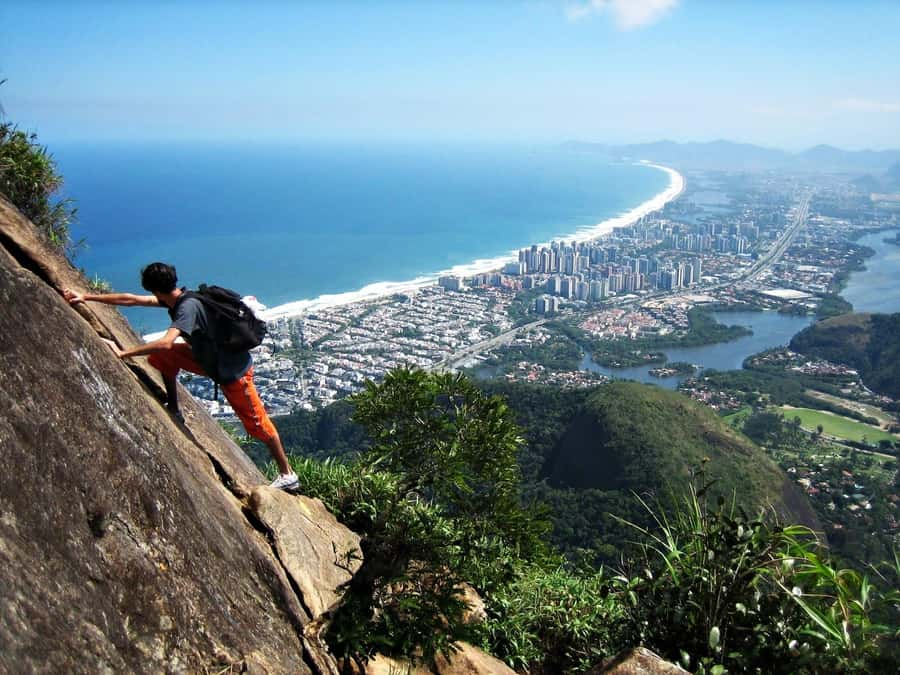
The hiking portion is listed at about three hours, though the total experience lasts about eight hours. That difference matters. You are not walking nonstop for eight hours, but you should keep the entire day open for the approach, climbing sections, rest stops, photos, and the descent.
Expect a steep route with light climbing before Carrasqueira. You will use your hands in places, and good footwear is essential. Several people specifically stressed the need for strong grip, so avoid smooth-soled trainers. Open-toed shoes are not allowed, and large bags or oversize luggage are also not suitable.
Bring at least three liters of drinking water per person. That is more than many people expect for a three-hour hike, but heat, exertion, and the full day in the sun make the extra supply sensible. Add light snacks, sunscreen, sunglasses, a sun hat, insect repellent, and light clothing.
The forest shade is welcome, but you will still sweat. A hot day can make the uphill sections feel much tougher. You should be comfortable with sustained physical effort before booking, even if you are not a regular climber.
Carrasqueira, the 30-meter climbing section
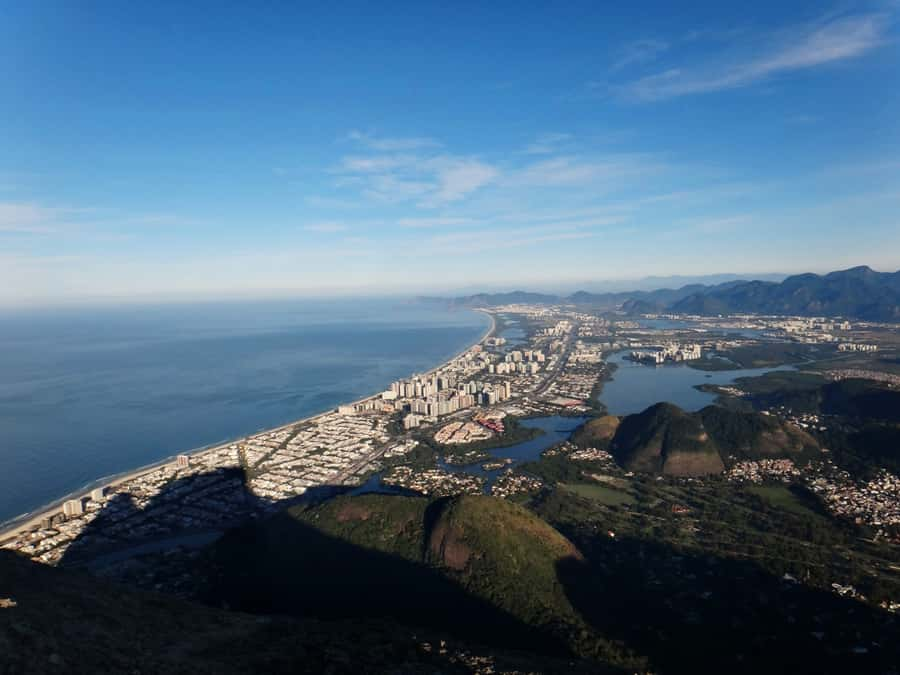
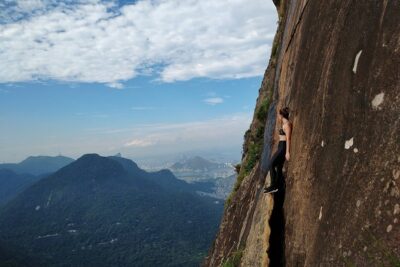
Carrasqueira is the part that gives this hike its edge. Here, you face a basic rock-climbing section about 30 meters high, using the safety equipment supplied by the activity and following the guide’s instructions.
You do not need formal climbing experience. The guides show you where to place your hands and feet, help you move through the section, and use the equipment to support a safer crossing. Past guides have been praised for staying close, explaining each step, and helping people who felt nervous.
Still, do not treat this as a harmless photo opportunity. It is a real climb on a high mountain, and you need basic upper-body strength, balance, and attention. You may need to wait while people ahead of you complete the section. That can make the day longer, especially if the group is larger or several people need extra help.
Some outings have also included rope-assisted descents or rappelling-style sections. The exact use of the equipment can vary with the route, conditions, and guide decisions, so listen closely to the instructions on the day.
This is where guide quality matters most. Names associated with especially strong outings include Eduardo, Lucas, Sergio, Fernando, and Ronald Bulha. The guide assigned to your date may be different, but the activity is designed around specialized eco-adventure guides and supplied climbing equipment.
More Pedra da Gavea climbs:
- Rio de Janeiro: Pedra da Gávea Guided Hike Tour
★ 4.9 · 86 reviews - Pedra da Gavea Guided Hiking tour
★ 4.5 · 71 reviews - Garganta do Céu and Waterfall hike in Pedra da Gávea
★ 5.0 · 71 reviews - Pedra da Gávea Trail with Guide
★ 5.0 · 50 reviews
The summit views across Rio
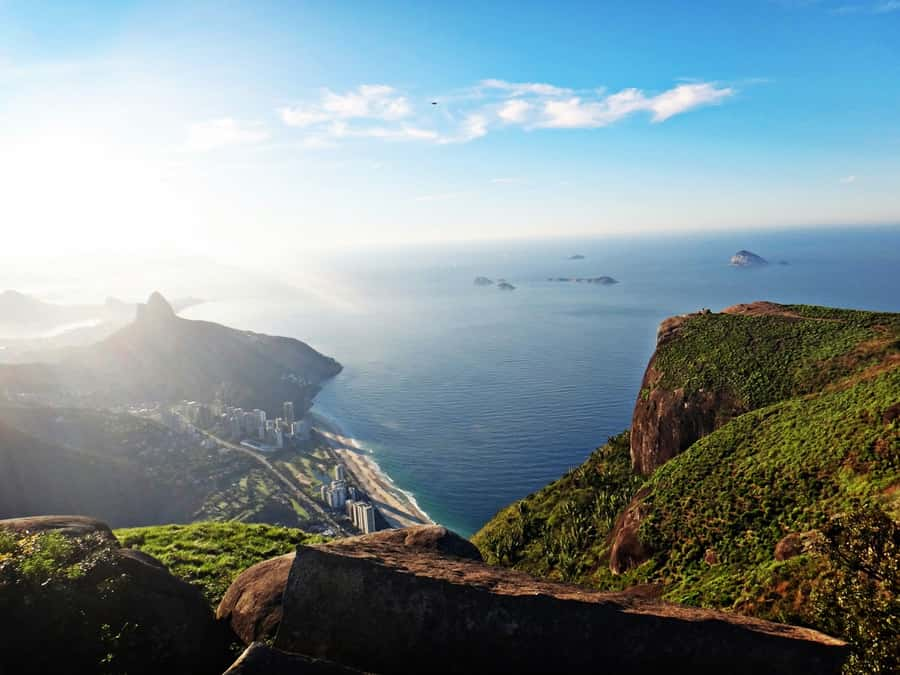
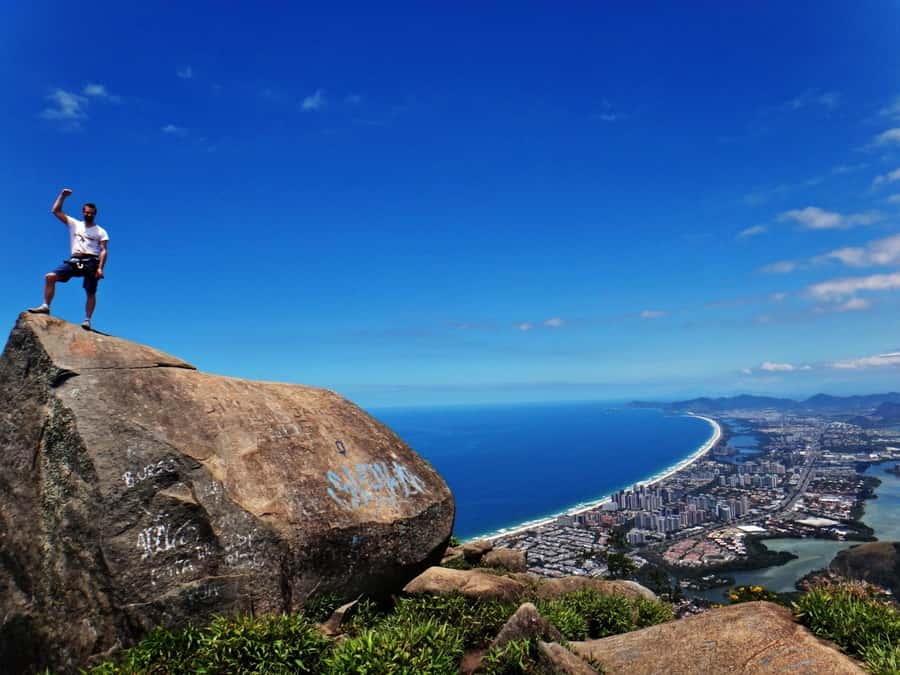
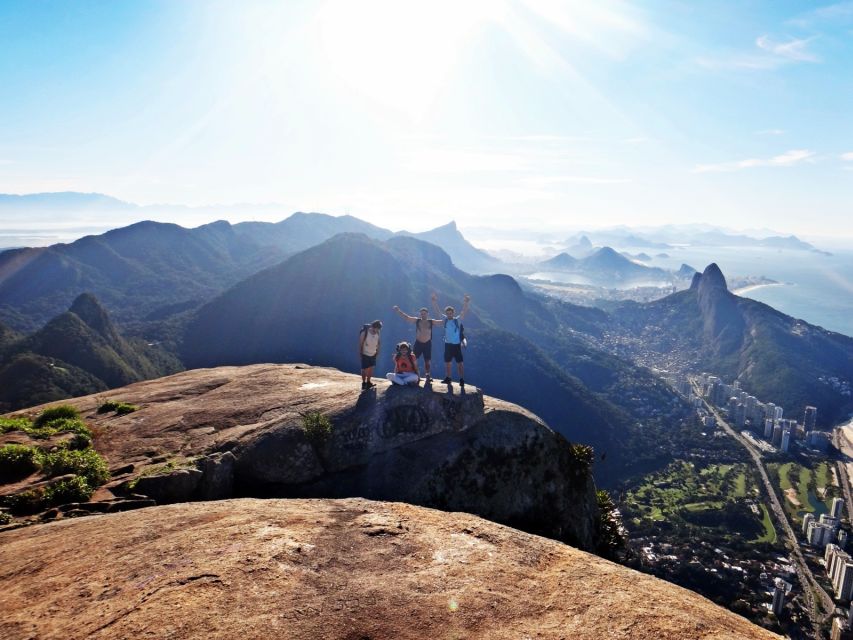
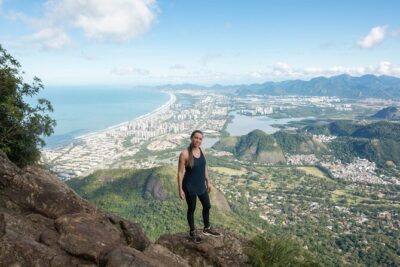
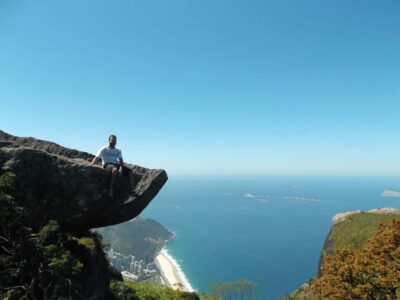
After Carrasqueira, you continue toward the summit. The final approach is worth the effort because the views open toward the southern and western parts of Rio de Janeiro. From the top, you get a broad view of the city, coastline, surrounding mountains, and forested areas.
The summit is the emotional payoff of the day. You have climbed from sea level through the forest, worked through steep rock, and then reached a point most city visitors never see. The view feels earned rather than simply delivered to you.
Weather controls how much you get from this part. Cloud cover can block the panorama, even when the climb itself is excellent. The activity is cancelled in bad weather, which is a sensible safety measure for wet rock and exposed climbing. If clouds gather after you arrive, you may need patience. On clear days, the views can be exceptional.
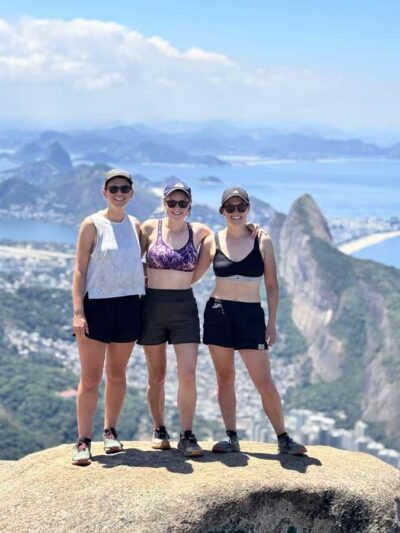
Guides often take photos and short videos at the top and along the route. Eduardo has been singled out for strong photography, while other guides have also shared pictures at the end of the outing. This is a practical bonus because carrying a phone while scrambling is awkward, and you can focus more on the route.
Do not assume photos will never slow the group. Taking pictures for several people at multiple points can add time, especially around the summit and climbing sections. If you prefer a faster day, tell the guide early that you would rather keep moving.
The descent is not an easy afterthought
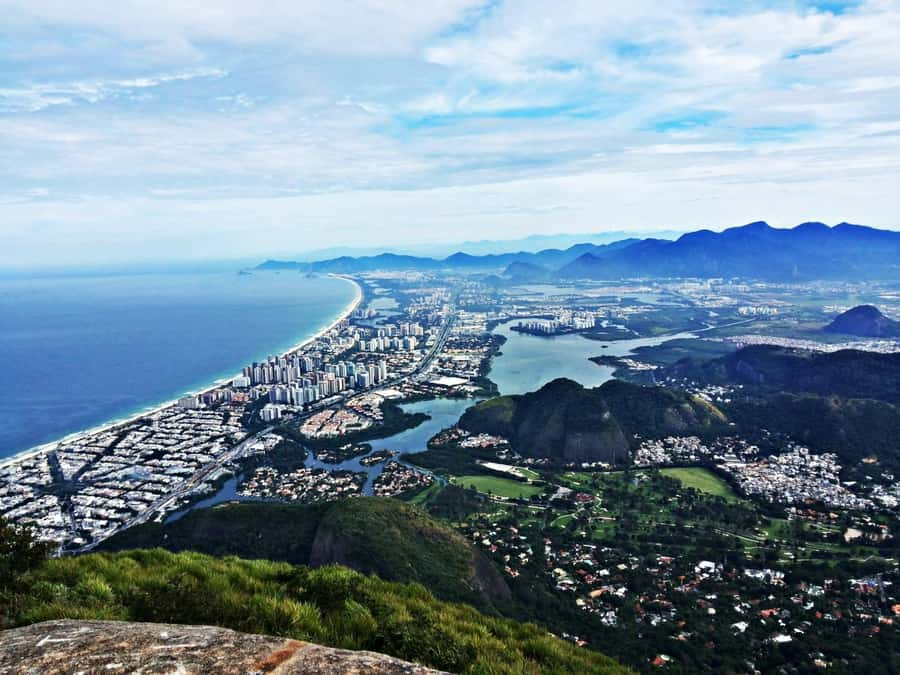
The way down deserves as much respect as the climb. Tired legs, loose footing, and steep rock can make descending harder than going up. The guide remains important here, especially at Carrasqueira and any rope-assisted section.
Wear shoes with a reliable grip and keep both hands available when the trail demands it. A small daypack is better than a large bag, and you should avoid anything that swings or catches on rock.
The guides have also been praised for reacting quickly when someone had a minor knock or needed reassurance. That does not remove the normal risks of mountain travel, but it shows why staying close to the group and following instructions matters.
The return can take less time than the ascent, but do not plan another fixed activity immediately afterward. Group pace, weather, climbing waits, and photo stops all affect the finish time.
What the $56 price includes
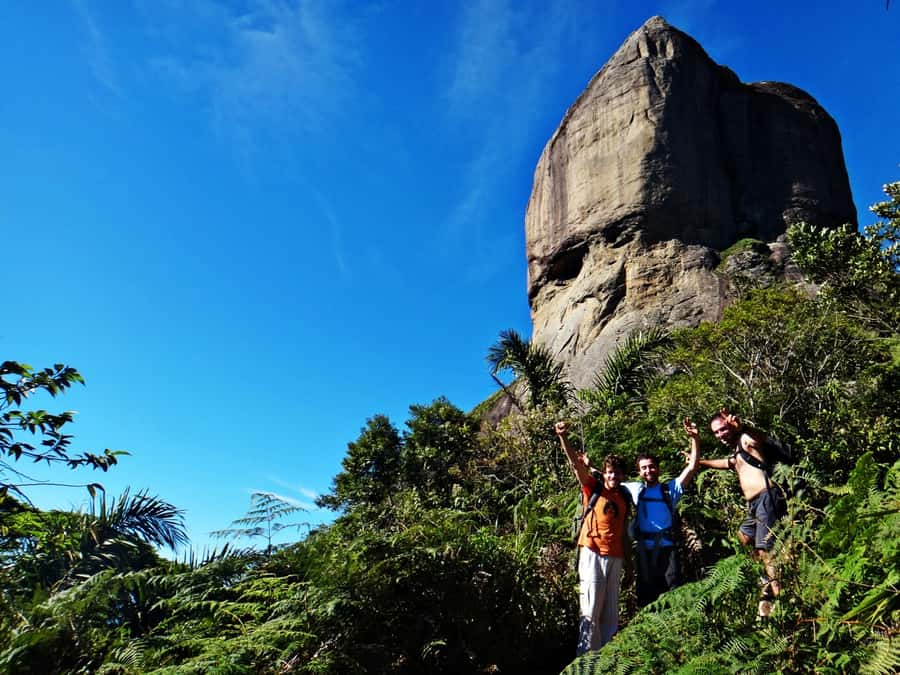
At about $56 per person, the price is fair if you want a guided mountain adventure rather than an independent walk. It includes a specialized eco-adventure guide and climbing equipment. The small-group format is another part of the value, since technical sections are easier to manage when the guide can give direct attention.
The price does not include private transportation. You also need to provide your own water, food, clothing, footwear, sun protection, and insect repellent. Those costs are not large compared with the tour, but they matter when you compare the total day budget.
I see the strongest value in the safety support and the route itself. You are not paying simply to reach a viewpoint. You are paying for a demanding route, equipment at Carrasqueira, group management, and help from someone who knows the mountain.
The main value question is fitness. If you are prepared for the climb, the activity can become one of the most memorable things you do in Rio. If you are hoping for an easy scenic walk, $56 is too much for an experience that may feel uncomfortable from the start.
Group size, pace, and guide style
The advertised limit is six participants, and that is a good size for a route with climbing. Smaller groups usually mean less waiting and more direct help. Still, group size may vary in practice, so ask for clarification if having a very small group is important to you.
You should also expect a shared pace. One person noted that the route was completed in four and a half hours rather than the full seven-hour estimate, while others found the pace energetic. That tells you the timing is flexible and guide-led.
This is not the place to insist on stopping every few minutes, but it is also not a race. Tell the guide if you need a short break, especially in hot conditions. A guide who keeps everyone together can make the outing safer, but a fast pace may be hard for anyone with limited fitness.
The guide roster has included Eduardo, Lucas, Sergio, Fernando, Ronald, Jessie, and Thomas. Their strengths have included safety support, local information, patience, encouragement, and photography. Language support is available in English, Spanish, and Portuguese, though the exact language ability of your assigned guide may vary.
Who should book this hike
I would book this if you enjoy steep day hikes, want a physical challenge in Rio, and are comfortable using your hands on rock. It suits people with basic fitness who do not need a polished path or a predictable pace.
It is also a strong choice if you want to meet a few other people while doing something active. The small-group setting keeps the day social without turning it into a large organized crowd.
I would not book it if you dislike heights, have difficulty with steep uneven ground, or want a relaxed half-day outing. You should also reconsider if you cannot carry three liters of water or manage a hot, strenuous climb.
The activity requires at least two participants to operate. If that minimum is not reached, an alternative time or date, or a full refund, is offered. You can also cancel up to 24 hours before the activity for a full refund, and reserve now while paying later if that option is available for your date.
Should you book Pedra da Gávea?
Yes, if you want Rio’s views with a real sense of effort behind them. The forest approach, the Carrasqueira climb, the summit panorama, and the guide support make this much more memorable than a standard lookout visit.
Prepare properly. Wear grippy closed shoes, carry three liters of water, bring light snacks and sun protection, and leave the rest of the day open. If your fitness is sound and heights do not bother you, Pedra da Gávea is a strong choice at $56. If you want easy, stay at sea level and enjoy the beach.
FAQ
How long does the Pedra da Gávea activity take?
The full activity lasts about eight hours. The actual hike is approximately three hours, but the total time can change because of group pace, climbing waits, photos, weather, and rest stops.
How high is Pedra da Gávea?
The summit reaches about 840 meters in altitude. The route starts near sea level and climbs through Tijuca National Park.
Is rock-climbing experience required?
No previous rock-climbing experience is required. You should still be fit enough for a difficult hike, light climbing, and a 30-meter section at Carrasqueira.
Is safety equipment provided?
Yes. Climbing equipment is included, and the specialized guide supports you through the technical sections.
How much water should I bring?
Bring at least three liters of drinking water per person. You should also bring light snacks, sunscreen, sunglasses, a sun hat, light clothing, and insect repellent.
What shoes should I wear?
Wear closed shoes with good grip. Open-toed shoes are not allowed, and smooth soles are a poor choice for the steep and rocky trail.
Is transportation included?
No. Private transportation is not included. Meet at Estrada Sorimã, 932, in Itanhangá, Rio de Janeiro.
What happens if the weather is bad?
The activity is cancelled in bad weather. This is especially important because wet conditions can make the steep trail and climbing sections unsafe.
What languages are available?
Guides may lead the activity in English, Spanish, or Portuguese. The group is limited to six participants, and at least two participants are required for the activity to operate.
Just added around Rio De Janeiro
- Rio de Janeiro: Zip Lining and Canopy Tree Tour★ 3.3 · 6 reviews
- Vidigal Favela Tour★ 4.4 · 26 reviews
- Hang gliding flight in Rio de Janeiro★ 5.0 · 6 reviews
- Unforgettable Boat Party★ 5.0 · 3 reviews
- Rio de Janeiro: Attend a Vasco da Gama game with local guide★ 4.8 · 9 reviews
- Rio Highlights: Christ, Sugarloaf, and More in a Private Tour★ 5.0 · 36 reviews
- Tijuca Forest Hike – Waterfalls & Caves, Nature & Wild Life!★ 5.0 · 51 reviews
- Tijuca Forest w/ Chinese View,cascatinha Taunay,horto waterfall and parque laje★ 4.5 · 29 reviews
Pedra da Gávea Hikes, compared.
Garganta do Céu and Waterfall hike in Pedra da Gávea
Read our review →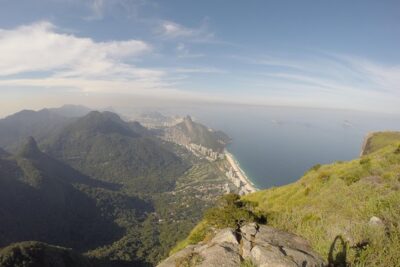
Browse the lists this tour appears in