
Reviewed · BOTANICAL GARDEN TOURS
Green Rio: Guided Tour of Botanical Garden and Lage Park
Rio’s best green spaces sit below Corcovado Mountain, where city streets give way to palms, orchids, shaded paths, and thick tropical forest. This half-day tour links two very different places: the carefully planned Botanical Garden and the art-filled grounds of Parque Lage.
I like the Avenue of Royal Palms, a grand walkway that gives the garden its memorable sense of scale. I also like the way the tour joins plants, conservation, architecture, and art instead of treating the garden as just a pleasant place for a stroll.
The main consideration is weather and access. Rain can close parts of the grounds, and Parque Lage is undergoing renovations. If the park cannot open, the itinerary may change to Tijuca Forest. The tour is also not suitable for wheelchair users.
Key points to know before you book
- Two major green spaces in five hours: You visit the Botanical Garden and Parque Lage in one compact morning or afternoon.
- The Botanical Garden dates to 1808: Its collection includes more than 7,000 plant species, with orchids, bromeliads, palms, lakes, fountains, and a Japanese Garden.
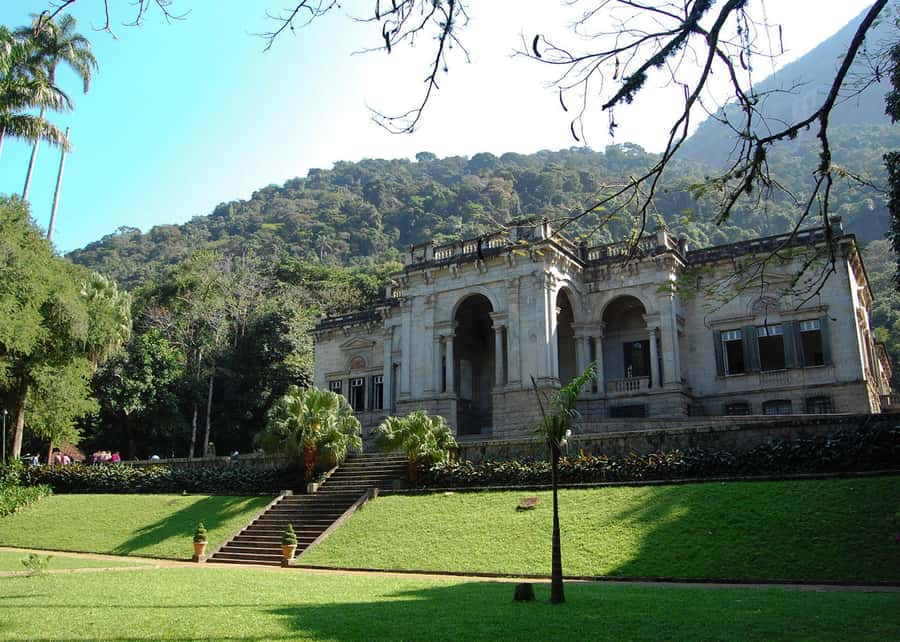
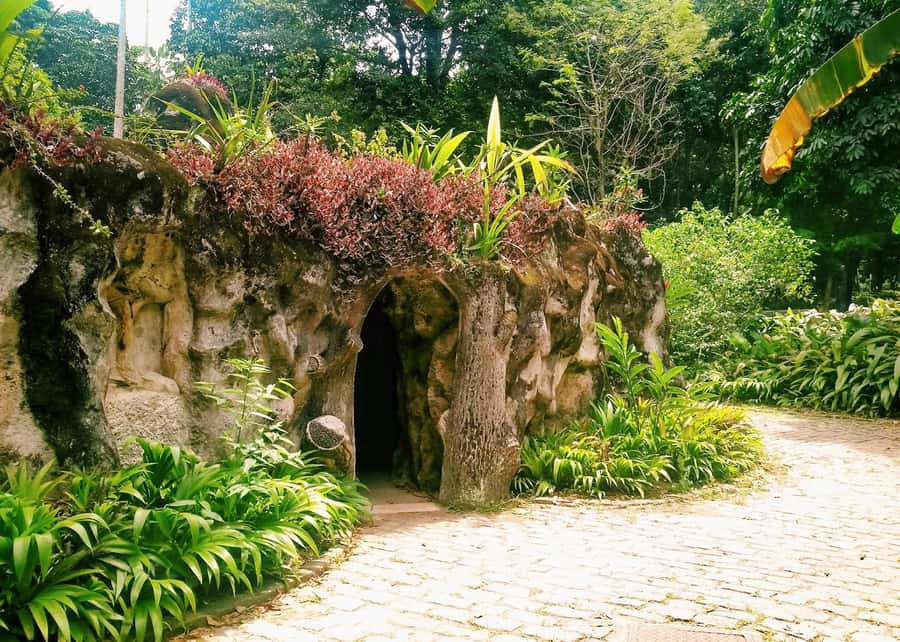
- Parque Lage mixes forest and art: Trails, artificial grottos, English-style gardens, and a historic mansion share the same setting.
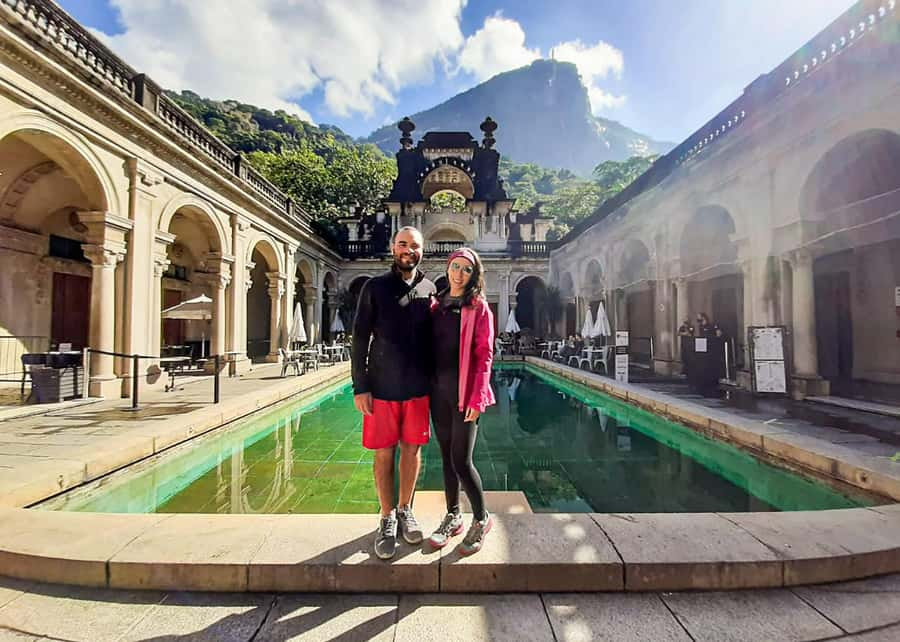
- Christ the Redeemer appears from the courtyard: The mansion’s pool and Corcovado view are among the tour’s most photogenic moments.
- Transfers and admission are included: Pickup and drop-off serve Copacabana, Ipanema, and Leblon, with additional meeting points in Botafogo, Flamengo, and Lapa.
- Plan for changing conditions: Bring water, sunscreen, insect repellent, comfortable clothing, and identification.
Why this half-day pairing works in Rio
Many Rio sightseeing plans focus on beaches, viewpoints, and Christ the Redeemer. This tour gives you a quieter side of the city without taking a full day away from the rest of your schedule.
The two stops complement each other. The Botanical Garden feels ordered and spacious, with broad paths and named plant collections. Parque Lage feels more theatrical, with forest trails, grottoes, a mansion, and art-school energy. You get a clear contrast between planned gardens and tropical woodland.
I think five hours is a sensible length. It gives you time to see both sites with a guide, while leaving the rest of the day open. You are not being asked to spend an entire day on one park, but you also avoid the rushed feeling of squeezing both places into a short photo stop.
The tour price is $107 per person. That is not the cheapest way to enter these sites, especially if you are comfortable arranging local transport and exploring on your own. The value comes from the combination of admission, round-trip hotel transfer, and a live guide in English, Portuguese, or Spanish. For a first visit, that convenience can matter, particularly when Rio traffic and pickup arrangements are part of the day.
More garden visits in Rio De Janeiro:
- Rio de Janeiro: 4-Hour Botanical Garden & Tijuca Forest Tour
★ 4.3 · 275 reviews - Rio de Janeiro Botanical Garden & Tijuca Forest Tour
★ 4.5 · 168 reviews - Rio de Janeiro Botanical Garden Tour
★ 4.5 · 40 reviews
Entering Rio’s Botanical Garden, founded in 1808
The Botanical Garden is the stronger stop for plant lovers. Founded in 1808, it contains more than 7,000 species and presents Brazil’s plant life in a setting that feels both studied and natural.
Your guide leads you along shaded paths and explains what you are seeing. The supplied details highlight orchids, bromeliads, and towering palms, so expect the visit to focus on the variety and structure of tropical plant life rather than a simple walk through pretty flowerbeds.
The garden’s most famous feature is the Avenue of Royal Palms. Tall imperial palms line the route and draw your eye upward. It is an easy place to appreciate the scale of the garden, and it makes a strong opening or closing photograph, depending on the order of the stops.
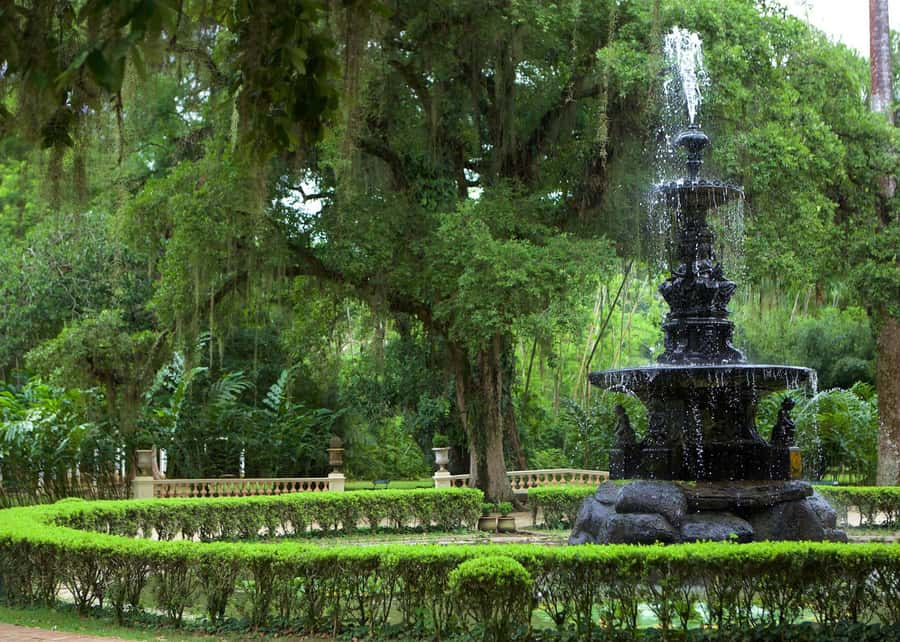
You will also find lakes and fountains. These give the walk a slower rhythm and create places to pause in the shade. I like that they add more than decoration: after a guided explanation about plants and conservation, a quiet water feature gives you time to take in the setting without another fact arriving every few seconds.
The Japanese Garden offers a different mood. Ponds, bridges, and lanterns create a calm, carefully arranged space within the larger garden. If you like gardens that reward close attention, this section should be a highlight. It is also a useful contrast to the taller palms and less controlled forest growth elsewhere.
The conservation side is important. The guide discusses efforts to protect Brazil’s plant diversity, giving the visit a purpose beyond sightseeing. You come away with a better sense of why botanical gardens matter: they preserve plant knowledge, support conservation work, and let you see a broad range of species in one place.
The garden is still an outdoor visit, so use sunscreen and carry water. Insect repellent is also recommended. Smoking and touching the plants are prohibited, sensible rules in a place built around living collections.
From cultivated paths to Parque Lage’s forest
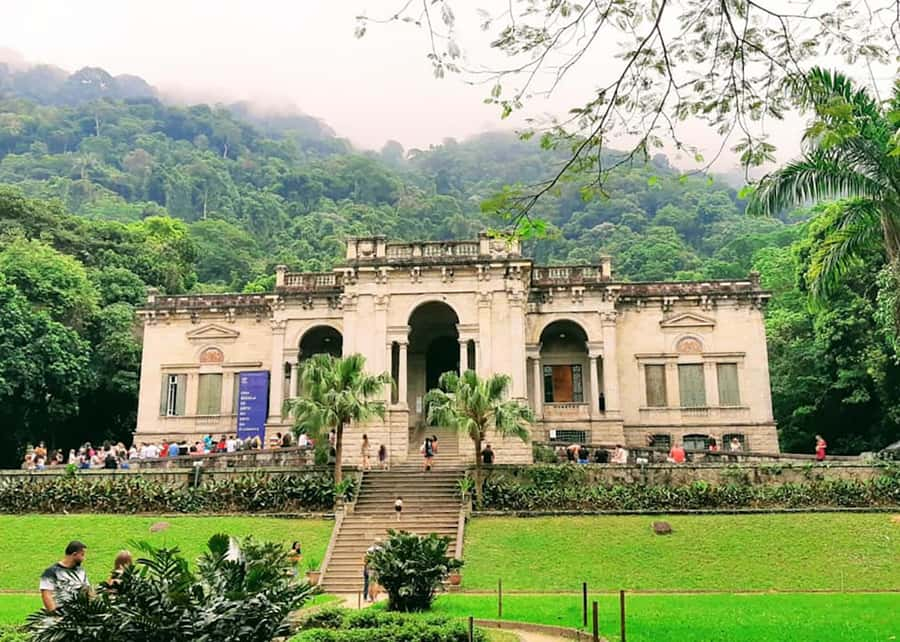
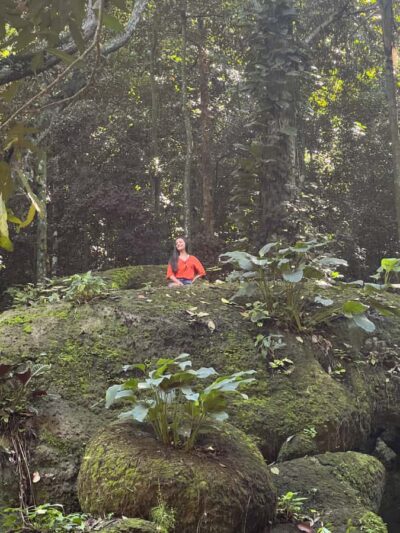
After the Botanical Garden, the tour continues to Parque Lage. The change is noticeable. Instead of mainly following organized plant collections, you move through a mixture of English-style gardens, artificial grottos, forest trails, and open areas around the historic mansion.
This is where the tour becomes less about identifying plants and more about the meeting of nature, architecture, and art. You may find the paths feel more exploratory than those in the Botanical Garden, though weather can affect access to some areas.
The artificial grottos add a slightly old-fashioned romantic touch. They are part of the park’s designed character, while the surrounding forest keeps the setting from feeling too formal. That contrast is one of Parque Lage’s best features.
You will also hear about the park’s cultural role. The mansion now houses the School of Visual Arts, so the site is not only a public garden. It is tied to Rio’s art life, and the guide explains the building’s place in the city’s cultural story.
The park is currently subject to renovations, and closure is possible on the date of your tour. If that happens, the tour changes to Tijuca Forest. The replacement is described as an equally special nature experience, but it will not provide the mansion, central courtyard, or same art connection. If Parque Lage is the main reason you are booking, confirm the current operating situation before you go.
The mansion courtyard and its famous view
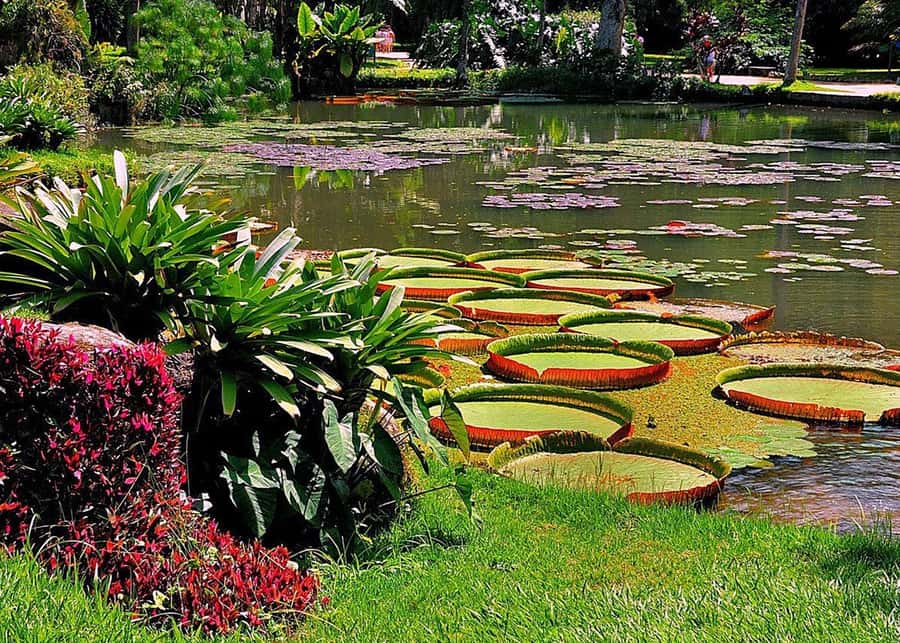
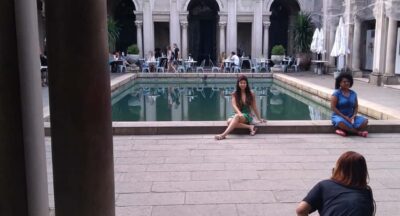
The central courtyard is the visual centerpiece of Parque Lage. The historic mansion frames a pool, and the view toward Christ the Redeemer adds a clear Rio signature to the scene.
This is the point where the tour’s parts come together. You have the building’s architecture, the School of Visual Arts, the surrounding forest, and Corcovado in the background. It is easy to see why the courtyard appeals to photographers and art lovers.
I would not treat the courtyard as just a quick photo stop. Listen to the explanation of the mansion’s history and cultural role, then take a few minutes to look at how the open courtyard relates to the forest around it. The appeal is in the contrast: a formal building and pool sit right beside untamed greenery.
Access can change with weather and renovation work. A recent tour experience had some areas closed because of weather, so keep your plans flexible. The tour’s order may also change depending on conditions.
A few more Rio De Janeiro days to weigh up
- Rio de Janeiro: 6-Stop Highlights of Rio with Lunch
★ 4.4 · 5,157 reviews - Christ the Redeemer Entry Ticket by Corcovado Train
★ 4.4 · 4,476 reviews - Rio de Janeiro: Rocinha Favela Walking Tour with Local Guide
★ 4.8 · 3,052 reviews - Rio de Janeiro: Sugarloaf Cable Car Official Ticket
★ 4.6 · 2,873 reviews
Pickup, transport, and the five-hour schedule

Pickup is included from selected locations in Copacabana, Ipanema, and Leblon. Drop-off is available in Ipanema, Leblon, and Copacabana. These neighborhoods are useful starting points if you are staying near Rio’s main beach areas.
Additional meeting points are available in Botafogo, Flamengo, and Lapa:
- Botafogo Praia Shopping, Praia de Botafogo, 400
- Uliving Rio Hotel, Praia do Flamengo, 20
- Selina Lapa Rio de Janeiro, Rua Visconde de Maranguape, 9
The Botafogo, Flamengo, and Lapa locations are meeting points only. If you do not provide a pickup address, the default meeting point is Socialtel Lapa at Rua Visconde de Maranguape, 9. During high season, you may be directed to a meeting point near your hotel instead of receiving door-to-door service. This arrangement is intended to reduce time lost in traffic.
At the meeting point, the guide arrives and calls you by name. Bring your passport or identification card. The information does not specify the group size or exact start time, so check the available times before booking and allow some flexibility around pickup.
Because the tour lasts five hours, transportation is a meaningful part of the price. You do not need to arrange separate rides between the two locations, and you can focus on the guide’s explanations instead of navigating. If you already have easy access to both parks and prefer to move at your own pace, the extra cost may be harder to justify.
What the guide adds to the experience
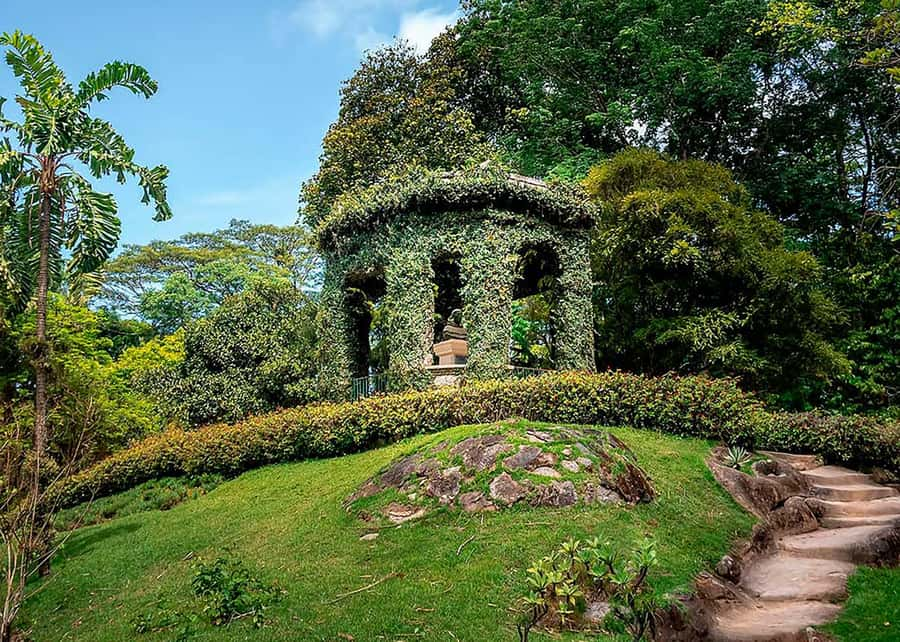
You can walk through both sites without a guide, but you will miss some of the connections that make the pairing worthwhile. The live guide explains Brazil’s plant life, conservation efforts, the Botanical Garden’s history, and Parque Lage’s cultural role.
The guide also helps turn a large garden into a manageable visit. With more than 7,000 plant species at the Botanical Garden, you cannot absorb everything in one outing. A guided route gives you a framework and points you toward notable features such as the palms, Japanese Garden, lakes, and tropical plants.
Language choice is another practical strength. The tour is offered in English, Portuguese, and Spanish. If you want detailed explanations rather than a quick orientation, choose the language in which you can comfortably ask questions.
No guide names are provided, so you should not book this expecting a particular person. The key point is language support and the focus of the commentary, not a named host.
Food, comfort, and what to bring
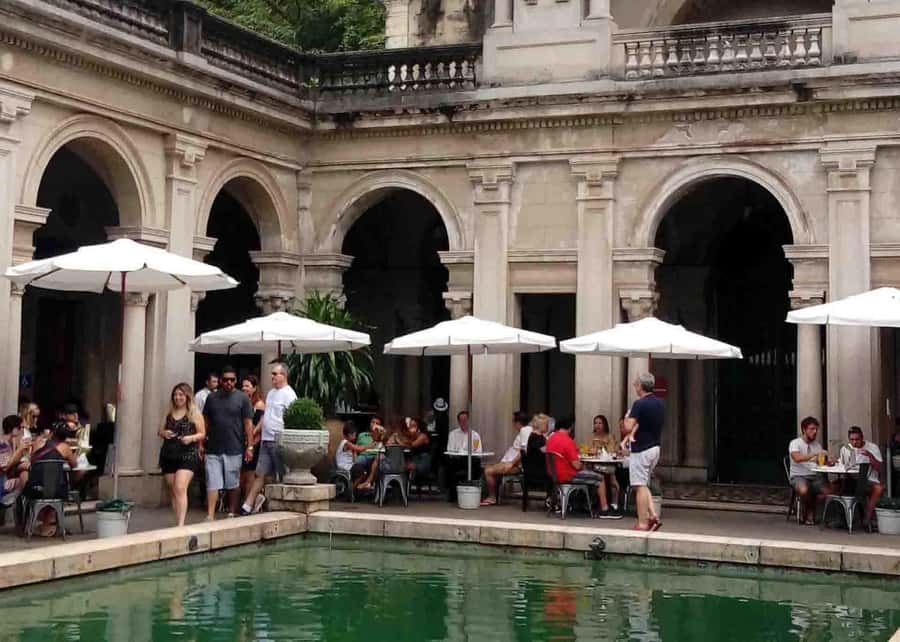
Food and drinks are not included. A five-hour outing is long enough that you may want to eat before pickup or carry what is allowed, but the supplied details do not promise a meal stop. Personal expenses, such as souvenirs, are also your responsibility.
Wear comfortable clothing and shoes suitable for outdoor paths. Sunscreen, water, and insect repellent are specifically recommended. These are not decorative packing tips: you will spend much of the tour outside, and conditions can change between open garden paths and shaded forest areas.
Smoking is prohibited, as is touching the plants. Follow those rules closely, especially in the Botanical Garden, where plant collections require protection.
The tour is not suitable for wheelchair users. The mix of garden paths, forest trails, grottos, and possible weather-related changes makes this an important limitation to consider before paying.
Who will get the most from this tour
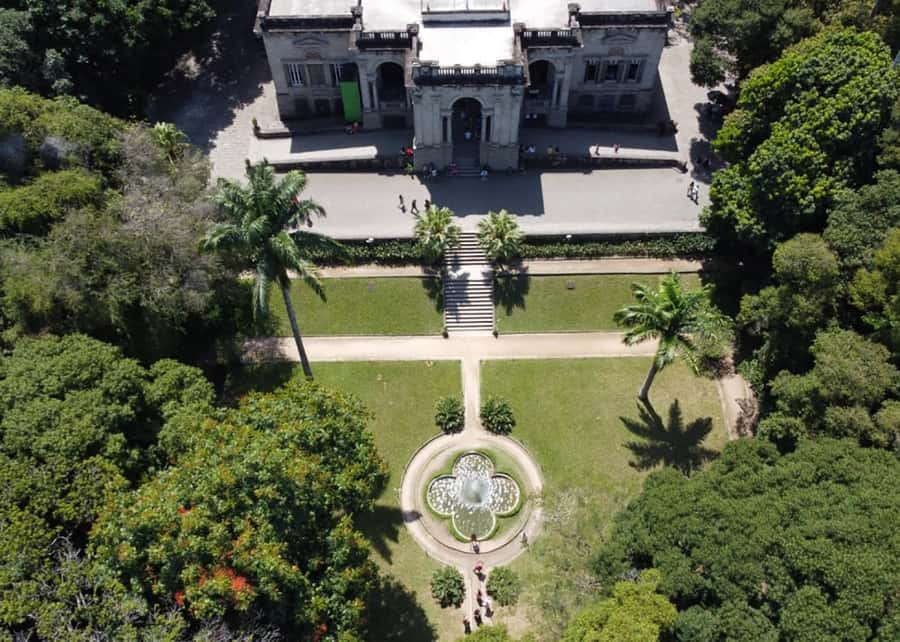
I would recommend this experience to first-time visitors who want more than beach time and major monuments. It also suits anyone interested in plants, conservation, photography, architecture, or Rio’s art scene.
It works well for a short stay because it covers two important sites in five hours and includes transport. You can schedule it alongside other Rio plans without giving up a whole day.
You should think twice if you dislike guided pacing or want to linger for hours in one garden. The tour gives you a broad introduction to both places, not unlimited free time at either one. It may also disappoint if your main goal is guaranteed access to every part of Parque Lage, since weather and renovation work can change the visit.
The tour is offered with free cancellation up to 24 hours in advance, and you can reserve now and pay later. Those terms help if your Rio schedule is still shifting, though they do not remove the need to check the park situation.
Is the $107 price worth it?
At $107, this is a convenience-focused tour rather than a budget park visit. Admission to both locations, a specialized guide, and round-trip transfer are included, which reduces the number of details you must arrange yourself.
I see the best value for visitors staying in Copacabana, Ipanema, or Leblon who want a guided nature outing without working out local transport. The price is less compelling for independent sightseers who can reach the parks easily, read up beforehand, and are happy to manage the schedule alone.
The cultural context also adds value. You are not only looking at palms and forest. You learn why the Botanical Garden matters for Brazilian flora, then connect Parque Lage’s mansion and visual arts school with Rio’s natural setting.
Should you book Green Rio?
Book it if you want a well-organized half-day that combines plants, forest, architecture, and art. The Avenue of Royal Palms, the Japanese Garden, and Parque Lage’s courtyard give the outing several distinct highlights, while the included transfer keeps the day simple.
I would avoid booking it solely for Parque Lage’s courtyard unless you are comfortable with a possible change to Tijuca Forest. Renovations and weather can affect access. For most visitors who value an informed guide and easy transport, though, this is a strong way to see a quieter and more thoughtful side of Rio.
FAQ
How long does the tour last?
The tour lasts five hours, including the guided visits to the Botanical Garden and Parque Lage and the round-trip transfer.
What locations are included?
The tour includes the Botanical Garden in Rio de Janeiro and Parque Lage. If Parque Lage is closed because of renovations, the itinerary may change to Tijuca Forest.
Is hotel pickup included?
Round-trip transfer to and from the hotel is included for the listed pickup areas. Pickup options include Copacabana, Ipanema, and Leblon. During high season, you may be directed to a nearby meeting point.
Where are the additional meeting points?
Additional meeting points are available at Botafogo Praia Shopping, Uliving Rio Hotel in Flamengo, and Selina Lapa Rio de Janeiro. These are meeting points only.
Which languages are available?
The live guide is available in English, Portuguese, and Spanish.
Are entrance fees included?
Yes. Admission to the Botanical Garden and Parque Lage is included, subject to any itinerary change caused by renovation closure.
Is food included?
No. Food and drinks are not included, and personal expenses such as souvenirs are also separate.
What should I bring?
Bring a passport or identification card, comfortable clothing, sunscreen, water, and insect repellent.
Is the tour accessible to wheelchair users?
No. The tour is not suitable for wheelchair users.
Just added around Rio De Janeiro
- Rio de Janeiro: Zip Lining and Canopy Tree Tour★ 3.3 · 6 reviews
- Hang gliding flight in Rio de Janeiro★ 5.0 · 6 reviews
- Vidigal Favela Tour★ 4.4 · 26 reviews
- Rio de Janeiro: Attend a Vasco da Gama game with local guide★ 4.8 · 9 reviews
- Unforgettable Boat Party★ 5.0 · 3 reviews
- Rio Highlights: Christ, Sugarloaf, and More in a Private Tour★ 5.0 · 36 reviews
- Tijuca Forest Hike – Waterfalls & Caves, Nature & Wild Life!★ 5.0 · 51 reviews
- City Tour Full VIP – Corcovado Train + Churrascaria Rodízio★ 5.0 · 43 reviews
Botanical Garden Tours, compared.
Rio de Janeiro Botanical Garden & Tijuca Forest Tour
Read our review →
Botanical Garden, Tijuca Forest, and Parque Lage Tour
Read our review →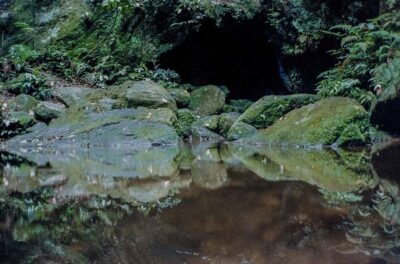
Private Tijuca Forest & Botanical Garden Guided Tour
Read our review →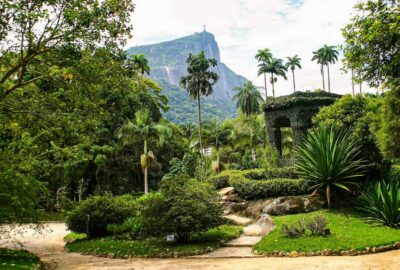
Jeep’n’Green: Rio Botanical Garden & Tijuca Rainforest Tour
Read our review →Browse the lists this tour appears in