
Reviewed · FOOD & DRINK
Guided Market Fruit Tasting in Rio with 15+ Exotic Flavors
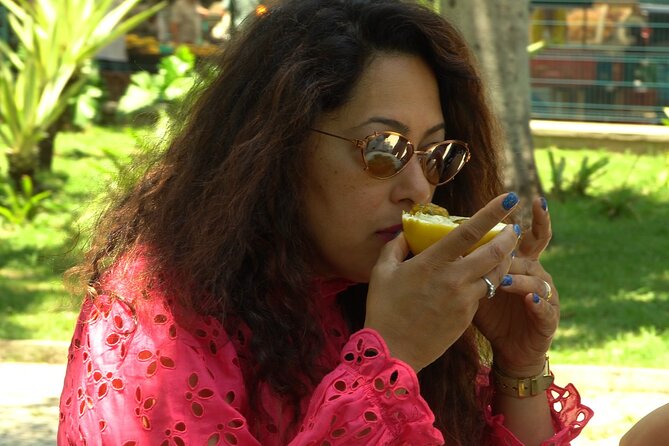
Brazil’s fruit culture is the real star here. In about two and a half hours, you’ll taste 15 to 20 Brazilian fruits at a real farmers market, then hear the stories behind them: açaí from the Amazon, jabuticaba growing on tree bark, and cashew apples turned into sweets and liqueurs.
I like two things in particular. First, the tasting goes beyond familiar pineapple and mango, with local juices, nuts, and native ingredients adding texture to the lesson. Second, the small group, capped at 15 people, gives guides such as Hay Za, Caterina, and Erica room to answer questions and help you shop.
The one point to consider is seasonality. The exact fruit selection can change, so you may not taste every item you have imagined. Still, past outings have found as many as 18 unusual fruits even in autumn, which is a good sign.
Key points at a glance
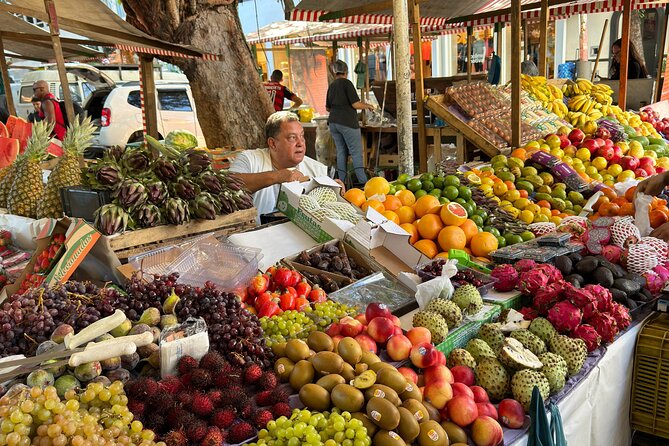
- Taste 15 to 20 fruits: The selection can include familiar tropical fruit and less-known Brazilian varieties such as jabuticaba.
- Visit a working Ipanema market: This is a real farmers market walk, not a staged food display.
- Learn the story behind each bite: You’ll connect fruit with Amazonian life, regional habits, sweets, drinks, and Brazilian identity.
- Try more than fruit: Local juices, nuts, and native ingredients are part of the tasting.
- Small morning group: The 10:00 am start and maximum of 15 people suit a relaxed, social outing.
- Good fit for food-focused visitors: The $49 price makes sense if you value guided tasting and cultural context, not simply a snack stop.
What the Ipanema meeting point sets up
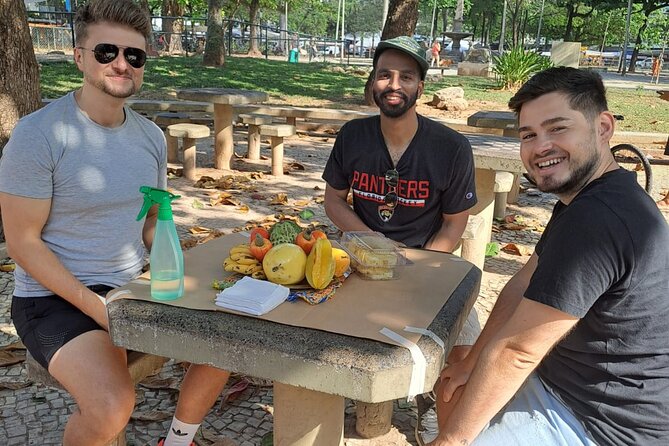
You meet at 10:00 am in Ipanema, and the activity finishes back at that meeting point. Since the tour begins and ends in the same area, it is easy to pair with other plans in Rio without arranging a separate return transfer.
The market setting matters. You are not only looking at fruit on a plate. You are walking through a place where local produce, drinks, nuts, and other foods are sold, giving the tasting a daily-life setting. That makes the experience more useful than a standard food sampling with no connection to where ingredients are bought.
The morning timing also works well for a market visit. You can start with breakfast or a light meal before arriving, though you should leave room for plenty of tasting. With 15 to 20 fruits, juices, and other samples, this is more than a quick nibble.
The meeting details are simple, but you should pay attention to them. The stated start point is Ipanema, and the activity returns there. The listing does not provide a hotel pickup service, so plan your own way to the meeting point using Rio’s available public transportation or another local option.
More Food Tours in Rio de Janeiro
- Rio: Pub Crawl in Lapa with Cachaça Tasting and Live Samba
★ 4.7 · 881 reviews - Rio de Janeiro: Barra da Tijuca Walk & Food Tour with Drinks
★ 4.2 · 19 reviews - The Best Food Tour: Taste the Most Authentic Flavours of Rio
★ 4.7 · 18 reviews
Walking through a real Brazilian farmers market
The first part of the outing is a guided walk through the market. Your guide helps you read the place through its produce, rather than treating the market as background scenery.
That distinction is important. A market visit on your own can be fun, but you may not know what to buy, how to eat an unfamiliar fruit, or why one ingredient matters in one region of Brazil and not another. A local fruit expert gives you a way into that world.
You will see far more than the tasting itself. The included visit allows time to notice other market products and local sellers, while the guide explains what fits into Brazilian cooking and snacking habits. One guide, Erica, has also helped people shop during the walk, which can be useful if you want to buy something extra for later.
The market is described as cozy, with a friendly atmosphere rather than a huge, overwhelming food hall. That should appeal if you prefer a manageable visit where you can stop, taste, and ask questions. If you want a full market shopping spree, though, remember that extra food and drinks are not included.
From açaí to jabuticaba: how the tasting works
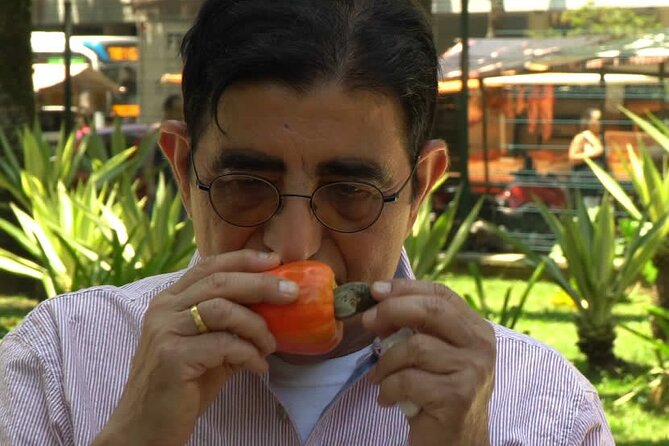
The heart of the experience is the guided tasting of 15 to 20 exotic Brazilian fruits. The exact list is not fixed, and that is normal for a market-based activity. Availability depends on what is being sold and what is in season.
Açaí is one of the better-known names, but here it is presented as part of a larger story about Brazil. You learn how açaí helps fuel life in the Amazon, which gives the ingredient more context than you get from a fashionable bowl served far from its source.
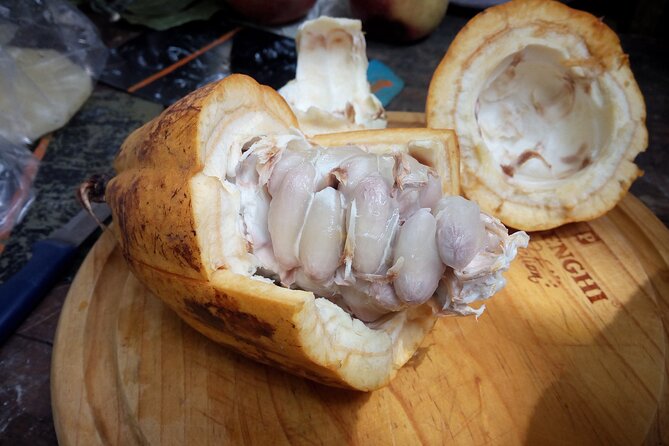
Jabuticaba offers a memorable visual detail. This fruit grows directly on the bark of the tree, not at the ends of ordinary branches. It is the kind of fact that helps an unfamiliar ingredient stick in your mind, especially when you can taste it at the same time.
Cashew apples add another useful lesson. In Brazil, the fruit attached to the cashew nut is used for sweets and liqueurs, so the tasting can show how a familiar nut is connected to a larger food tradition. You may also try ingredients that even some Brazilians have not encountered before.
That range is part of the value. The tasting is not built only around sweet, easy favorites. You may find flavors that are tart, creamy, floral, sharp, or simply hard to compare with common supermarket fruit. The guide’s job is to explain what you are tasting and how local people use it.
The outing has also found 18 exotic fruits during autumn, when you might expect the selection to be narrower. That does not guarantee the same count on your date, but it suggests the guides work actively with what the market has available rather than settling for a short, predictable list.
The extra tastes that make $49 more worthwhile
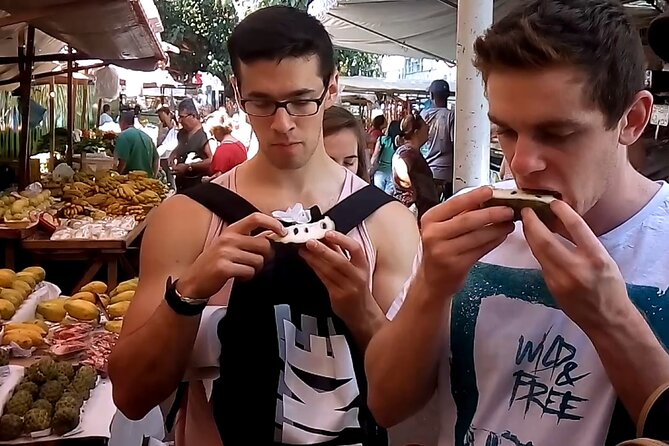
Fruit alone could make this a pleasant stop, but the inclusion of local juices, nuts, and native ingredients gives the experience more range. You get different textures and ways of consuming Brazilian produce, not just a succession of small fruit pieces.
Juices are especially useful for understanding how tropical ingredients move from market stall to everyday drink. Nuts and other native foods help show that Brazilian food culture is not limited to the fruit most familiar to international visitors.
At $49 per person, the price is fair if you want interpretation, variety, and a guided market visit in one booking. You are paying for roughly two and a half hours, a small group, expert guidance, and a tasting that can include up to 20 fruits plus other samples.
It is less compelling if your only aim is to eat inexpensive fruit. You could buy produce at a market for less, but you would miss the explanations, the help identifying unfamiliar items, and the chance to taste a wide range without making every purchase yourself.
The extra purchases are separate. You can wander the market afterward or during free moments and buy treats on your own, but those costs are not covered. Bring that distinction into your budget if you expect to take home fruit, sweets, drinks, or other products.
The five-star guarantee provides an additional booking assurance. If the experience is not five-star, you do not pay for four. It is worth reading the guarantee as a comfort feature, not as a reason to ignore the practical question of whether a market tasting suits your interests.
Same city, a completely different kind of day:
- Rio de Janeiro: 6-Stop Highlights of Rio with Lunch
★ 4.4 · 5,157 reviews - Christ the Redeemer Entry Ticket by Corcovado Train
★ 4.4 · 4,476 reviews - Rio de Janeiro: Rocinha Favela Walking Tour with Local Guide
★ 4.8 · 3,052 reviews - Rio de Janeiro: Sugarloaf Cable Car Official Ticket
★ 4.6 · 2,873 reviews
What the guides add to the food
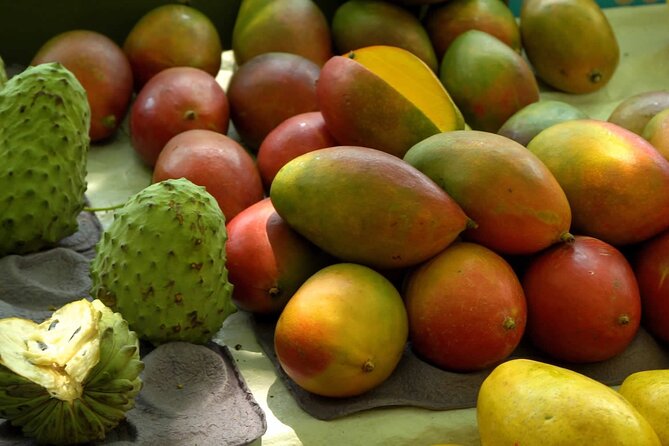
The guide is central to the experience. Without the explanations, this would be a pleasant fruit plate. With the guide, each item becomes a small lesson in geography, farming, trade, family habits, or Brazilian taste.
Past guides have included Hay Za, Caterina, and Erica. Their styles may differ, but the important common thread is direct contact with someone who can answer questions and explain how Brazilians eat these foods.
Caterina has led tastings with a wide range of fruit and explained what Brazilians like to eat. Erica has provided local context, answered questions, and helped with market shopping. Hay Za has been praised for being warm and well informed while presenting both familiar and unfamiliar fruit.
Those details matter if you are deciding between a self-guided market visit and a booked activity. You are not only receiving a list of names. You are getting assistance with pronunciation, preparation, local uses, and the cultural meaning behind the food.
The group limit of 15 people helps here. It is not a private tour, but it is small enough for questions to be practical. A larger group could make a tasting like this feel rushed, especially when the guide needs to explain several foods in a short period.
The main limitation: market variety changes
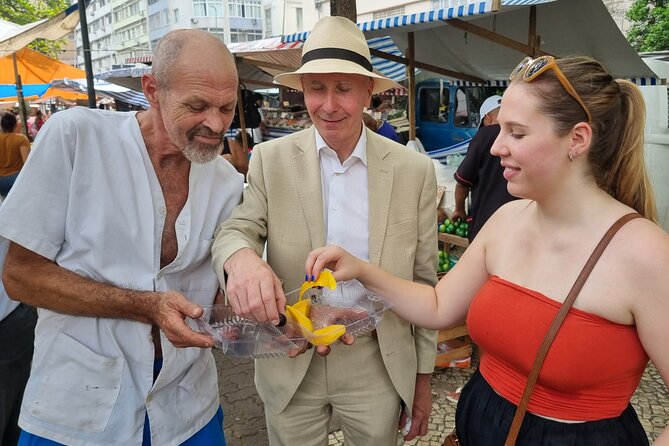
The flexibility of a real market is also the main drawback. You cannot expect a fixed menu of every exotic fruit shown in a promotional description. Weather, supply, season, and what vendors have available can all affect the day’s selection.
That said, the changing menu is part of what makes the activity feel connected to Rio rather than packaged in a classroom. You taste what is available through the local market at that time. One autumn outing still found 18 unusual fruits, so the seasonal limit may be less severe than you fear.
I would book this if you enjoy trying foods without needing every flavor to be familiar. It is also a good choice for people who like asking questions, taking photos, and learning how an ingredient fits into ordinary life.
You may want to skip it if you dislike tropical fruit, prefer a formal meal, or want a tour built around major sights. This is a food and culture activity, not a general introduction to Rio’s landmarks.
Who will get the most from this Rio food tour
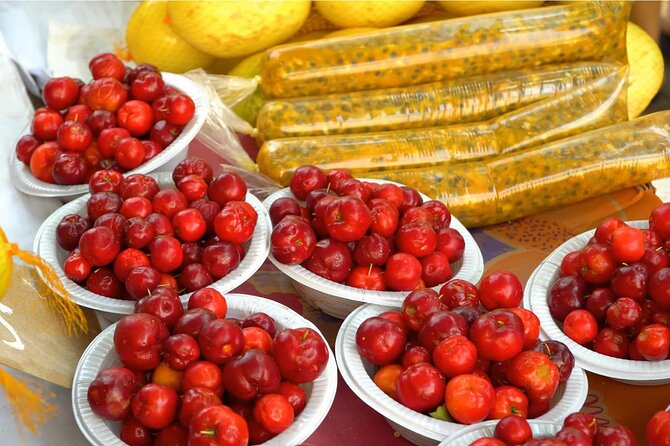
Food-focused visitors are the obvious match. If you enjoy comparing flavors and finding ingredients you have never seen, the tasting gives you plenty to talk about long after the market walk ends.
It also suits families and groups with mixed knowledge of Brazil. Some fruit will be familiar, while other samples can surprise people who already know Brazilian food. Even a Brazilian visitor may encounter varieties they have not tried before.
The activity works for solo participants as well. A capped group gives you a social setting without the scale of a large bus outing. The format also makes it easy to ask about foods you notice in Rio during the rest of your stay.
I would be more cautious about booking for someone with strict dietary limits unless the operator can confirm the tasting details directly. The available information does not provide a full ingredient list or allergy policy. Service animals are allowed, and the experience is near public transportation, but other accessibility details are not specified.
Timing, cancellation, and practical planning
Set aside about two hours and 30 minutes, starting at 10:00 am. Because the activity returns to the Ipanema meeting point, you can plan a nearby lunch or continue sightseeing from there after the tasting.
Confirmation is provided when you book. The maximum group size is 15, and the activity requires a minimum number of people. If that minimum is not reached and the tour is canceled, you will be offered another date or experience, or receive a full refund.
Free cancellation is available up to 24 hours before the local start time. Canceling or changing the booking less than 24 hours ahead does not qualify for a refund, so check the local time carefully if your Rio plans are still shifting.
The tour is near public transportation, which keeps arrival practical. The supplied information does not name a particular station or provide a transfer service, so confirm the exact meeting instructions after booking and allow enough time to reach Ipanema.
Should you book the fruit tasting?
Book it if you want to understand Brazil through food rather than only see Rio’s famous sights. The best parts are the unusually broad tasting, the real market setting, and guides who can connect each fruit with regional life and local habits.
The $49 price is reasonable for a two-and-a-half-hour guided outing with 15 to 20 fruit samples, juices, nuts, and cultural explanation. Just keep your expectations flexible: the menu changes, and anything you buy beyond the included tasting costs extra.
For food lovers, curious families, and anyone who enjoys trying something new, this is a smart half-day addition to an Ipanema itinerary. If you want a substantial meal or a fixed menu, choose another food activity instead.
FAQ
Where does the fruit tasting begin and end?
The activity begins in Ipanema, Rio de Janeiro, at 10:00 am, and ends back at the meeting point.
How long does the experience last?
The guided market walk and tasting last approximately two hours and 30 minutes.
How many fruits will I taste?
The included tasting features 15 to 20 exotic Brazilian fruits. The exact selection can vary with market availability and season.
Are juices and nuts included?
Yes. Local juices, nuts, and native ingredients are included along with the fruit tasting.
Is the tour suitable for a larger group?
The activity accepts a maximum of 15 people. It also requires a minimum number of participants to operate.
Can I cancel for a full refund?
Yes. You can cancel at least 24 hours before the local start time for a full refund. Cancellations or changes made less than 24 hours ahead are not refunded.
More Shopping Tours in Rio de Janeiro
- Private transport for shopping at Compras Paraguay.
★ 5.0 · 30 reviews
More Markets in Rio de Janeiro
- Belém: Half-Day City Tour with Ver-o-Peso Market Visit
★ 4.8 · 16 reviews - Belém: Ver-o-Peso Market and Full-Day City Tour with Lunch
★ 3.8 · 4 reviews
Just added around Rio de Janeiro
- Rio de Janeiro: Zip Lining and Canopy Tree Tour★ 3.3 · 6 reviews
- Vidigal Favela Tour★ 4.4 · 26 reviews
- Hang gliding flight in Rio de Janeiro★ 5.0 · 6 reviews
- Rio de Janeiro: Attend a Vasco da Gama game with local guide★ 4.8 · 9 reviews
- Unforgettable Boat Party★ 5.0 · 3 reviews
- Rio Highlights: Christ, Sugarloaf, and More in a Private Tour★ 5.0 · 36 reviews
- Tijuca Forest Hike – Waterfalls & Caves, Nature & Wild Life!★ 5.0 · 51 reviews
- Tijuca Forest w/ Chinese View,cascatinha Taunay,horto waterfall and parque laje★ 4.5 · 29 reviews
Food & Drink, compared.

Pub Crawl in Lapa with Cachaça Tasting and Live Samba
Read our review →
Jolimont Winery Tour – Visitation and Tasting – Canela RS
Read our review →

São Paulo 5 Hour Private Tour With Fruit Tasting
Read our review →

Gastronomic Tour São Paulo – Culture & History Through The Art Of Food – Private
Read our review →
Historical Tour with Cachaça Tasting – BY PARATY TOURS
Read our review →
Browse the lists this tour appears in