
Reviewed · FOZ DO IGUAçU TOURS
Paraguay Experience
The most interesting part of this day trip is that it takes you beyond Ciudad del Este’s famous shopping chaos. You cross from Foz do Iguacu into Paraguay to see Itaipu Dam, Saltos del Monday, local history, and the meeting point of three countries. Guides such as Bruna, Diego, and Roberto add useful context, especially when the dam’s official presentation is in Spanish.
I like the small-group format, with no more than 15 people, and I like the mix of engineering, nature, and everyday Paraguayan life. Saltos del Monday gives you a waterfall experience quite different from Iguazu Falls, while the local food stop and market area add a human side to the day. The main drawback is the border: a long wait can eat into the schedule and may force changes to the planned stops.
Key points to know before you book
- Itaipu Dam from the Paraguayan side: See one of the world’s largest hydroelectric projects and get help understanding the Spanish-language presentation.
- Saltos del Monday: A powerful single waterfall in a forested setting, worthwhile even after Iguazu Falls, though naturally less grand.
- Border crossings shape the day: Queues can be short or can last around 45 minutes or much longer, especially on the return.
- More than a shopping trip: The route may include a museum, Triple Frontier viewpoint, local food, market area, and cultural sights.
- Comfortable transport matters: The tour uses an air-conditioned vehicle, with a maximum group size of 15.
- Good value for a spare day: At $120 per person, the price makes more sense if you value a guide, transport, border help, and several stops in one outing.
Why this Paraguay day trip is worth considering
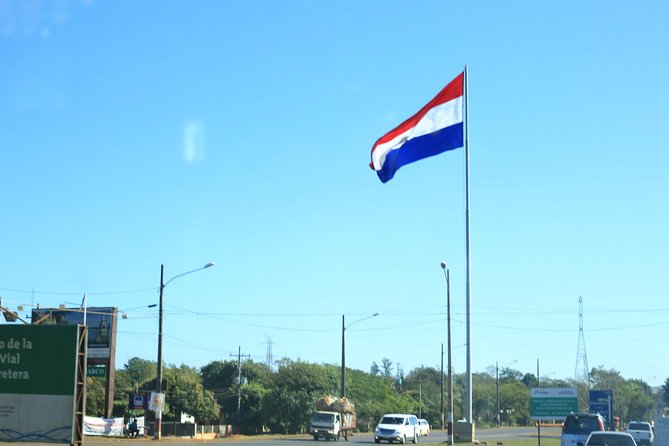
From Foz do Iguacu, Paraguay is close enough to visit in a day, but crossing the border alone can feel confusing. This tour removes much of that strain by providing transport and a guide who can explain what you are seeing as the route moves through Ciudad del Este and the surrounding area.
I especially like that the focus is not simply on shopping. Ciudad del Este is famous for its large commercial district, yet this experience uses the city as a gateway to Paraguay’s history, industry, scenery, and local culture. You may pass through the market area rather than spend the day browsing electronics and bargain goods.
The tour runs for about seven hours and begins around 7:30 a.m. That early start is important. It gives you a better chance of reaching the bridge before the worst queues, although no guide can control the border. Some days the crossing is easy. On others, you may spend a large part of the morning waiting.
A few more Foz do Iguacu days to weigh up
- Iguazu Falls: Full-Day Tour of Brazil & Argentina Sides
★ 4.9 · 1,542 reviews - From Foz do Iguazu: Brazil Iguazu Falls & Macuco Safari Boat
★ 4.7 · 358 reviews - Iguassu Waterfalls: 1 Day Tour Brazil and Argentina’s sides
★ 4.9 · 353 reviews
Crossing from Brazil into Paraguay
The border is the one part of the day you should treat as flexible. The route crosses from Foz do Iguacu into Paraguay, and the line can change quickly. One return crossing took about 45 minutes, while another day lost more than five hours to waiting and schedule problems.
That difference matters. A seven-hour tour is a full but manageable day when the border moves well. If queues build up, the operator may have to skip a museum, change the order of stops, or substitute another attraction. One itinerary change replaced the museum with a wildlife center, while another added the Triple Frontier viewpoint after a delayed dam visit.
A good guide can make the wait less frustrating. Bruna has used the time to explain Paraguayan history and introduce visitors to terere, a cold herbal drink that is an important part of local life. That sort of commentary gives the border crossing some purpose instead of leaving you wondering what is happening.
Still, you should book this as a flexible day, not a tightly timed sightseeing program. If you have a flight, another tour, or an important dinner reservation later, leave plenty of space.
Museo de la Tierra Guarani and Paraguayan history
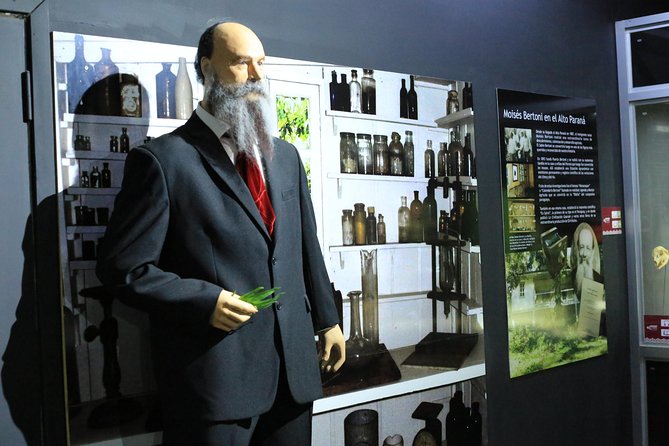
The planned museum stop lasts about 40 minutes and has no separate admission charge. Its subject is broader than a small local collection might suggest. The displays cover Indigenous groups from the region, the arrival of European colonizers, and the construction of Itaipu.
This is useful preparation for the dam. Without some background, Itaipu can look like a huge engineering project dropped into the forest. The museum helps connect the structure to the people and territory around it.
The museum is not guaranteed on every departure. It has been closed or under renovation at times, with a temporary exhibit or a wildlife center used instead. If the dam schedule slips because of the border, the museum may also be removed from the route. Ask your guide early in the day what is still planned.
For history lovers, this stop may be one of the most important parts of the experience. For visitors mainly interested in scenery, it is brief enough not to take over the day.
Itaipu Dam, an enormous engineering stop
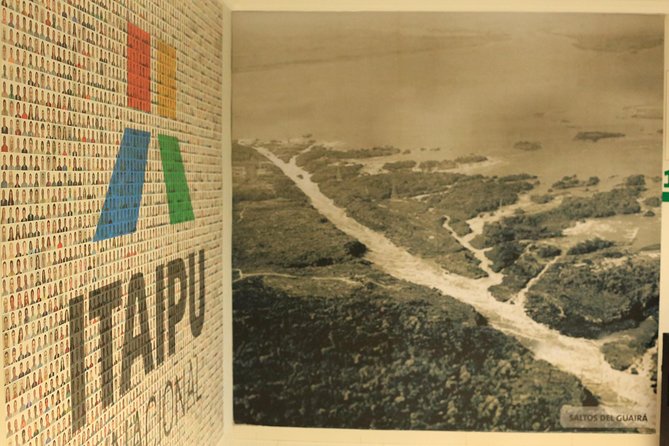
Itaipu is the technical centerpiece. The tour provides a panoramic visit to the binational hydroelectric plant, where you can see the scale of the dam and its power facilities. The project is one of the largest hydroelectric plants in the world by energy production, and the sheer size gives the stop real impact.
The official dam presentation is in Spanish. English-speaking guides such as Bruna have accompanied visitors and translated the key information during the visit. This is a major reason to use a guided tour rather than trying to arrange the stop without help.
You may watch an introductory film and then see the dam from viewpoints and during a drive around the site. Do not expect a long English-language lecture delivered personally by the operator at every point. One difficult day included a delayed entry and a visit that felt like looking out of the vehicle window, with limited explanation beyond the film and guide translation.
Timing is important here. Missing a scheduled dam entry can cause a long wait, and that delay can remove another stop from the day. The guide’s role is not only to explain the facility, but also to keep the schedule workable when the border or the dam timetable causes trouble.
I would rate Itaipu as particularly good for anyone interested in engineering, energy, or large public works. If you have little interest in dams, the visit may feel more technical than scenic. Even so, it gives you a strong sense of why this corner of Paraguay matters.
Same city, a completely different kind of day:
- From Foz do Iguaçu: Brazilian Side of the Falls with Ticket
★ 4.6 · 346 reviews - From Foz do Iguaçu: Iguazú Falls Boat Ride Argentina
★ 4.9 · 274 reviews - From Foz do Iguaçu: Argentinean Falls Tour with Pickup
★ 4.6 · 269 reviews - From Foz do Iguaçu: Argentinian Iguazu Falls with Boat Ride
★ 4.5 · 185 reviews
Saltos del Monday after Iguazu Falls
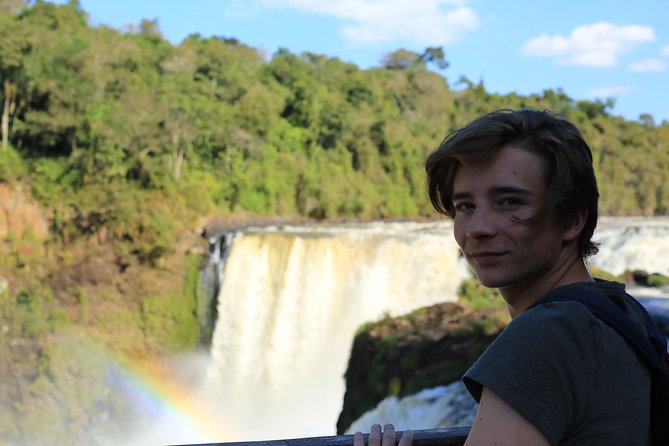
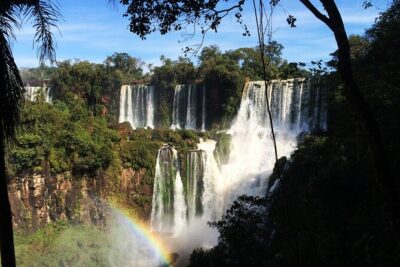
Saltos del Monday is the natural highlight. The stop lasts about an hour and includes admission. You see a powerful waterfall surrounded by vegetation, with butterflies and other small signs of wildlife adding to the setting.
The comparison with Iguazu Falls is unavoidable. Saltos del Monday is smaller and centers on one main fall, so it will not match the width or scale of Iguazu. That is not a reason to skip it. The character is different, and the smaller site lets you appreciate the water, forest, and sound without trying to replicate the larger park.
I like this stop because it gives Paraguay its own natural attraction rather than treating the country as an add-on to an Iguazu visit. One guide also helped explain animals, trees, and fruit spotted along the route, which can make the short walk and viewing time more engaging.
Allow time for photos, but keep expectations sensible. If Iguazu Falls is still ahead of you, Saltos del Monday will probably feel like a preview. If you have already visited Iguazu, it becomes a pleasant second waterfall and a way to see a different side of the region.
The Triple Frontier and views across the rivers
Several versions of the day include a stop at the Paraguayan side of the Triple Frontier. From here, you can look toward Brazil and Argentina across the rivers. It is a simple stop, but it gives geographic meaning to the whole Foz do Iguacu area.
This viewpoint is valuable because the border is not only a line on a map. Three countries meet within the same region, and the tour lets you see that relationship from Paraguay. It also makes a good counterpoint to the commercial center of Ciudad del Este.
The stop is not clearly listed in the short itinerary every time, so confirm it with your guide. It has been used as an added or substitute stop when other parts of the schedule changed.
Markets, local food, and small cultural details
The Mercado de Abastos gives you a glimpse of daily commerce. Depending on the timing and weather, you may walk through it, drive by, or remain in the vehicle. Some departures include a short market visit, while others pass through because heat, rain, or limited time makes a longer stop impractical.
This is not a polished sightseeing attraction. That is part of its value, but it also means the stop may feel ordinary. One version of the day included time for the guide to shop, which left a poor impression. If the group stops there, ask how long you will have and what you are meant to see.
Lunch is not included in the $120 price. Guides have taken groups to local Paraguayan restaurants, including places able to handle vegetarian and gluten-free needs. Food quality and menu details are not fixed, so tell the guide about dietary needs at the start of the day.
Trying Paraguayan food can be one of the most personal parts of the trip. You may also encounter terere or mate, both tied to local social habits. A guide who explains what people are drinking and eating adds more value than a rushed stop at a generic restaurant.
Other possible sights include a mosque, cathedral, souvenir shop, or a Buddhist temple on the Brazilian side. These are not guaranteed itinerary items, so treat them as possible additions rather than promised stops.
Guides, vehicles, and group size
The experience includes an air-conditioned vehicle and a guide. Past departures have used a separate driver, and the vehicle has been described as modern, spacious, and comfortable. That matters in the hot border region, particularly during slow traffic or queues.
Bruna receives especially strong praise for her explanations of Paraguayan culture, history, geography, biology, and local customs. Diego, Roberto, Ena, Ana, and Adriano have also guided departures, with English-language assistance available on several tours. The quality of the day depends heavily on how clearly the guide explains schedule changes and translates the dam presentation.
The maximum group size is 15. Some departures have been much smaller, with three people or even a private-feeling outing when another person failed to appear. A small group makes border handling and stops easier, though the minimum number of bookings is required for the regular tour to operate.
Physical demands are moderate. You should be comfortable getting in and out of the vehicle, walking at the waterfall and museum, and spending time outdoors. The information provided does not give a detailed accessibility plan, so contact the operator if you need specific assistance.
Is $120 a fair price?
At $120 per person, the price is not cheap for a seven-hour outing, especially because lunch is extra. The value comes from combining border transport, an English-speaking guide, Itaipu, a waterfall, cultural stops, and help navigating Paraguay in one day.
The price works best if you want context rather than just transportation. Itaipu’s Spanish-language operation, the changing border process, and the spread-out sights make a guide useful. If you only want to see Saltos del Monday and can arrange transport cheaply, the package may feel expensive.
It is also worth considering what can go wrong. A long queue may reduce the number of stops, and one departure was canceled because the minimum group size was not reached. The operator offers a different date or experience, or a full refund, when the minimum is not met. You can cancel for a full refund up to 24 hours before the start time, but late cancellations and changes are not accepted.
Who should book this experience?
I would choose this tour if I had an extra day in Foz do Iguacu and wanted to experience Paraguay without making Ciudad del Este shopping the main event. It suits people interested in dams, border regions, local food, history, and a second waterfall.
It is also a good choice for solo visitors and couples who prefer a planned route. The small vehicle, guide support, and border assistance remove much of the uncertainty of arranging several Paraguayan stops alone.
I would be more cautious if your schedule is tight or if you need every listed stop to happen. The itinerary can change, and the border is the controlling factor. You should also be ready for the dam visit to be partly in Spanish, with translation from your guide rather than a fully English presentation.
FAQ
How long does the Paraguay Experience last?
The tour lasts approximately seven hours.
Where does the tour start?
It starts in Foz do Iguacu, Brazil, at around 7:30 a.m.
Is lunch included?
No. Lunch is not included in the tour price.
How much does the tour cost?
The listed price is $120 per person.
What is included in the price?
An air-conditioned vehicle and a guide are included.
Is admission to Saltos del Monday included?
Yes. Admission to Saltos del Monday is included.
Is admission to the Museo de la Tierra Guarani included?
Yes. The museum stop is listed with free admission, though the stop may change if the museum is closed or the schedule is delayed.
How many people can join the tour?
The maximum group size is 15 people.
Do I need to be physically fit?
A moderate level of physical fitness is recommended. The day includes walking at the museum, dam area, waterfall, and other stops.
Can I cancel for a full refund?
Yes, if you cancel at least 24 hours before the experience starts. Cancellations or changes made less than 24 hours before the start time are not accepted. If the operator cancels because the minimum number of people is not reached, you are offered another date or experience, or a full refund.
Should you book the Paraguay Experience?
Book it if you want a practical introduction to Paraguay from Foz do Iguacu, with the biggest rewards coming from Itaipu Dam, Saltos del Monday, and a strong guide. The route offers far more than a quick shopping run and gives you a useful sense of how Brazil, Paraguay, and Argentina meet in this region.
Skip it if a long border wait would ruin your day, or if you need a fixed schedule with every stop guaranteed. For most people with one spare day, though, the mix of engineering, nature, food, and border culture makes the $120 price reasonable, provided you accept that Paraguay, like the bridge into it, does not always run on your timetable.
Just added around Foz do Iguacu
- Private transport with guide to the Falls on the Argentinean side.★ 5.0 · 35 reviews
- Private transport with guide to Brazil Falls + Bird Park★ 5.0 · 52 reviews
- Private transport for shopping at Compras Paraguay.★ 5.0 · 30 reviews
- Private Tour Argentinean side of Iguazu Falls★ 5.0 · 50 reviews
- Iguassu Falls Combo Tour: Visit to the Brazilian side and Waterfall Boat Ride★ 4.0 · 50 reviews
- Transport to the Falls + Parque das Aves in a family vehicle.★ 5.0 · 40 reviews
- Bathing in the Forest Trail in Foz do Iguaçu★ 5.0 · 28 reviews
- Brazilian Side of the Falls and Boat Tour Macuco Safari – All Tickets Included★ 4.5 · 51 reviews
Foz do Iguaçu Tours, compared.

Iguassu Waterfalls: 1 Day Tour Brazil and Argentina’s sides
Read our review →
Day Trip to the Argentinian Side of Iguassu Falls from Foz do Iguaçu
Read our review →Browse the lists this tour appears in