
Reviewed · GRAMADO TOURS
Parque Cultural Epopeia Italiana
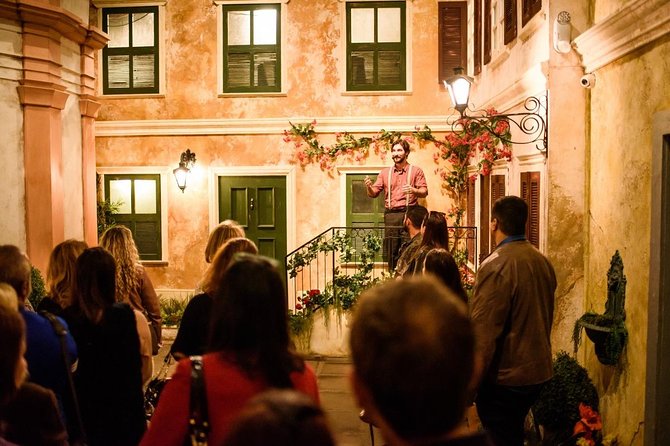
The unusual part of Parque Cultural Epopeia Italiana is that you do not sit through a standard museum display. You move from scene to scene as the story of Lázaro and Rosa unfolds around you, from their Italian village and ocean crossing to the hardships of settling in southern Brazil. The nine sets are designed as an interactive theater, with actors, film, sound, and changing scenery.
I like two things right away: the visit gives Italian immigration a human face instead of presenting only dates and facts, and the tasting of grape juice, wine, and homemade cookies gives the history a pleasant local finish. The main consideration is the theatrical style. Most people find it moving and fun, but the rapid shifts between live performance and multimedia can feel disconnected if you prefer a quiet, traditional museum.
Key points to know before you go
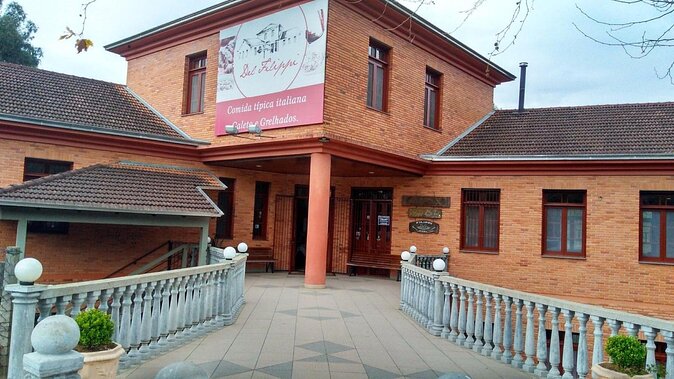
- Nine walk-through scenes: Move through replicas of an Italian village, the ship to Brazil, the Brazilian interior, and the developing Italian community.
- A personal immigrant story: Follow Lázaro and Rosa as they face hardship, adapt to Rio Grande do Sul, and eventually prosper.
- About 45 minutes: The compact visit fits easily into a day of sightseeing in Gramado or nearby Bento Gonçalves.
- A small tasting at the end: Expect grape juice, wine, and homemade cookies rather than a full winery visit or meal.
- Easy arrival: Parking is available on site, and the park is near public transportation.
- Small maximum group: The activity accepts no more than 15 people, though the theater itself may operate in scheduled sessions.
Why this short show tells a larger story
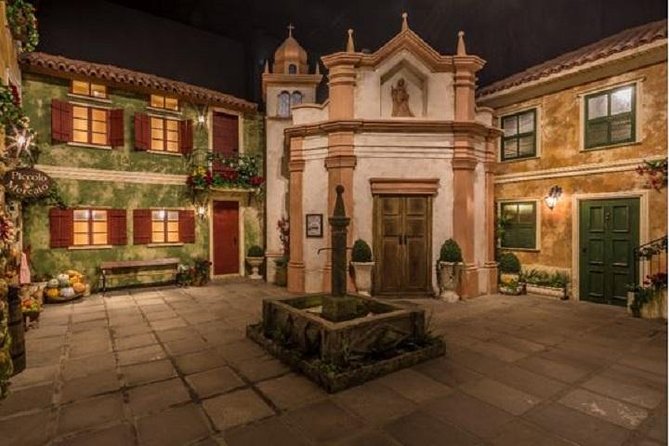
Italian immigration shaped much of Rio Grande do Sul, especially the Serra Gaúcha area around Bento Gonçalves. At the park, that broad subject is narrowed to one couple, Lázaro and Rosa. Their story gives you someone to follow when the larger themes could otherwise feel abstract.
You see the journey through their eyes: leaving Italy, crossing the Atlantic, entering an unfamiliar country, and facing the hard work of starting again. The point is not simply that Italian families arrived in Brazil. The show focuses on the risks and sacrifices behind that move, then connects those struggles to the customs, wine making, and family traditions that became part of the region.
That personal scale is one reason the presentation can appeal to people with Italian ancestry. The story carries a strong sense of family pride, but you do not need Italian roots to understand its main ideas. Migration, homesickness, uncertainty, and the effort to build a stable life are easy to recognize in any culture.
The park presents Lázaro and Rosa as real historical figures connected to the Giordani family. The account explains that they did not return to Italy, and that their relatives who stayed behind did not come to Brazil to visit them. That detail gives the separation a sharper edge. The voyage was not a temporary adventure. For them, it meant making a permanent break with the life they knew.
A few more Brazil days to weigh up
- Canela Cable Car Park Ticket
★ 4.0 · 1,030 reviews - Jolimont Winery Tour – Visitation and Tasting – Canela RS
★ 4.5 · 613 reviews - Quadricycle Tour to the Hills with Off Road 15km – 2 people
★ 5.0 · 103 reviews
Entering the nine scenes
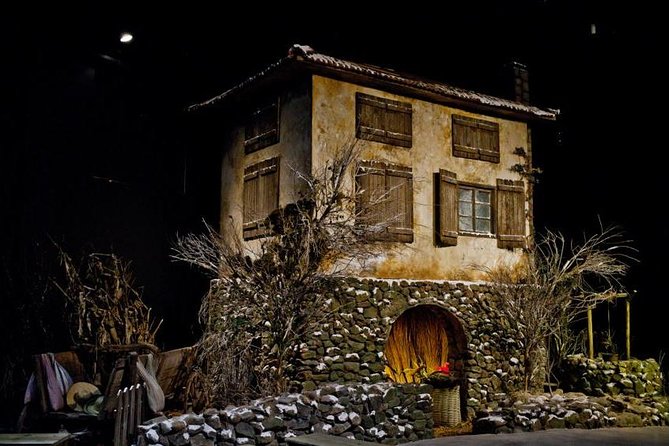
The presentation begins with the setting of an Italian village. This opening gives you a sense of the couple’s starting point before the story turns toward departure. The scenery is built as a replica rather than shown only on a screen, so you move through a physical version of the past.
The next section centers on the ship that carried immigrants to Brazil. It is an important change in mood. The early scenes connect the characters to home, while the ship represents the uncertain space between one life and another. The show uses audio-visual effects and live theatrical action to keep the story moving.
From there, the story reaches Brazil. The production includes a version of the Brazilian interior and the difficult conditions faced by new arrivals. The presentation does not treat immigration as a simple success story. Hardship is part of the plot, and the couple’s eventual prosperity is shown as the result of sacrifice and effort.
You then continue through scenes linked to the growth of the Italian community in Rio Grande do Sul. This is where the show connects one family’s experience to the wider development of Italian culture in the region. Food, wine, family customs, and community life become part of the story rather than separate museum subjects.
The precise movement between scenes is part of the appeal. You are not just watching an actor from a fixed seat. You follow the action through different spaces, with each set changing the tone. Some scenes are live, some rely on film and sound, and some combine the two.
That format also explains the main criticism to keep in mind. The production has been updated over time. Earlier versions relied more heavily on actors, while the modern presentation uses more multimedia. If you enjoy film, theater, and special effects together, that mix should keep the 45 minutes lively. If you want a single continuous performance, the cuts between formats may seem abrupt.
A theatrical look at Italian culture in Rio Grande do Sul
The park is most useful when it explains how culture travels. You see Italian customs not as a separate import, but as something adapted to a new place. The story links the arrival of immigrants with the later growth of communities, agriculture, and wine making in southern Brazil.
Wine has a practical role in the experience. The region is known for Italian cultural influence and wine production, and the tasting gives you a direct connection to that tradition. You receive grape juice and wine, along with homemade cookies. This is a modest tasting, not a wine education session, so you should not book it expecting a winery tour or a long tasting flight.
Still, the closing snack works well. After a story about departure, work, and adjustment, the food creates a simple connection with the traditions the immigrants carried forward. Green grape juice has been part of the serving described by people who attended, and the cookies are meant to be tasted at the end of the show.
The tasting also helps families. Children may not remember every historical detail, but they can follow the visual story and have a small treat at the finish. The production is described as playful and quick, though the emotional scenes may be more meaningful for older children and adults.
What the production does especially well
The strongest element is the sense of movement. A conventional museum might ask you to read about an immigrant voyage. Here, you walk through a ship setting and then enter scenes tied to the new country. That physical change helps you understand the stages of the journey.
The acting is another important part. The show includes actors who perform before the audience, and the central narrator has been praised for carrying the story and drawing people into the action. You should expect a guided theatrical presentation, not an independent visit where you set your own pace.
The scenery receives careful attention. The settings are replicas of earlier places and are designed to support the story. You may find the production more memorable because you can see the spaces change around you rather than viewing every event on a flat screen.
The presentation can also be emotional. The story deals with leaving home, family separation, struggle, and the hope of prosperity. People with Italian ancestry may find it especially personal, but the subject works more broadly because the emotional focus stays on the couple rather than on abstract historical claims.
The production has changed since earlier years. Someone who visited in 2003 would find more film and multimedia in the newer version, along with the same basic story and carefully designed sets. That update is useful for visitors who prefer a modern show, though it may disappoint anyone expecting a purely actor-led performance.
Same city, a completely different kind of day:
- Rio de Janeiro: 6-Stop Highlights of Rio with Lunch
★ 4.4 · 5,157 reviews - Christ the Redeemer Entry Ticket by Corcovado Train
★ 4.4 · 4,476 reviews - Rio de Janeiro: Rocinha Favela Walking Tour with Local Guide
★ 4.8 · 3,052 reviews - Rio de Janeiro: Sugarloaf Cable Car Official Ticket
★ 4.6 · 2,873 reviews
Who will get the most from the 45 minutes
I would recommend this experience to anyone who wants context for the Italian influence around Gramado, Bento Gonçalves, and the wider Serra Gaúcha area. It gives you a clear introduction before you visit other cultural or wine-related attractions in the region.
It is also a good choice for families and mixed-age groups. The format is visual, the scenes change often, and the visit is short enough that you are unlikely to feel trapped in a long lecture. The tasting adds a gentle ending.
People interested in genealogy may find the story more rewarding than a general sightseeing stop. The focus on Lázaro and Rosa offers a specific family example, and the details about their permanent separation from Italy show the personal cost behind migration.
I would be more cautious if your main interest is detailed historical research. The experience is built as a show, not an archive. It aims to make the story understandable and emotional, so it does not provide the depth of a specialist museum or a long guided history tour.
The same applies if you dislike theatrical presentations. You will be walking through staged scenes, listening to narration, and watching live and recorded elements work together. There is little opportunity to stop and study each setting at your own speed.
Price, timing, and fitting it into your day
The listed price is $9.27 per person, which is reasonable for a 45-minute theatrical attraction that includes the presentation and tasting. The value is strongest if you want a focused introduction to regional culture rather than a long museum visit.
You can fit it into a larger day without giving up several hours. The park is especially easy to pair with other activities in the area, including the Maria Fumaça train experience. Some visitors discover Epopeia Italiana as part of a combined train package, so check exactly what your package includes before buying a separate ticket.
The experience is booked about 25 days ahead on average. That does not mean you must always reserve that early, but it is a useful signal for planning busy periods. Confirmation is sent within 48 hours, subject to availability, so do not leave a tightly timed schedule without allowing room for confirmation.
The maximum group size is 15 people. That is small enough to make the presentation feel organized, although the show may still have set entry times. The duration is approximate, so allow a little extra time around the start and finish if you are connecting it with another reservation.
Parking is available on site, and the park is near public transportation. Hotel pickup and drop-off are not included, nor is transport to or from other attractions. You need to arrange your own way there.
A current passport or identification document is required on the day of the activity. Service animals are allowed, and the activity information says most people can participate. If you need a discounted ticket, bring the required documentation and confirm the rules before arrival, since eligibility depends on the applicable Brazilian regulations.
You can cancel for a full refund if you do so at least 24 hours before the start time. Changes or cancellations made inside that window are not accepted for a refund.
How it compares with a standard museum visit
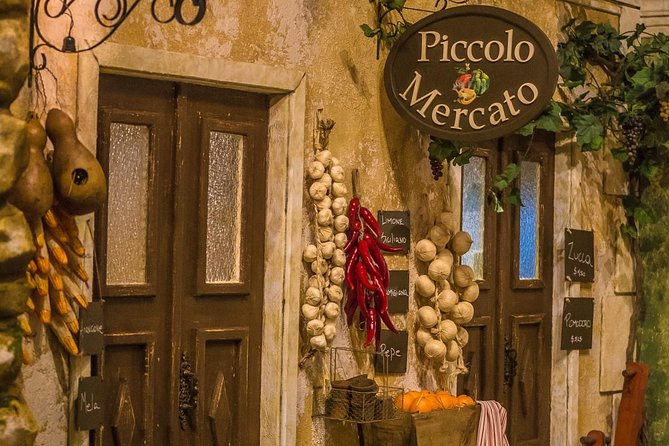
A museum gives you control. You can linger over one object, skip a display, or return to a label you missed. Epopeia Italiana gives you something else: a fixed story with atmosphere and forward motion.
That tradeoff matters. The show can make the immigrant journey easier to picture, especially for children or for anyone who does not usually enjoy reading long panels. But you must keep moving with the presentation, and the changing mix of actors, video, and sound may not suit every taste.
I like the fact that the park does not stop at arrival. It follows the couple through hardship and into the development of Italian life in Rio Grande do Sul. The closing tasting reinforces the cultural link without pretending that a cookie and a sip of wine can replace a full regional food experience.
If you have already visited the park years ago, the newer multimedia presentation may feel different. The core story remains tied to Lázaro and Rosa, but the technology and presentation style have evolved.
Should you book Parque Cultural Epopeia Italiana?
Book it if you want a short, affordable, highly visual introduction to Italian immigration in southern Brazil. It is especially worthwhile for families, people with Italian ancestry, and anyone pairing it with a visit to Bento Gonçalves or the Maria Fumaça train.
Skip it if you want a quiet museum, a long wine tasting, or a fully continuous stage performance. The production moves quickly and mixes live theater with film, and that style is its main strength and its main risk.
For most people, the combination of nine scenes, a human story, local cultural context, and a small tasting makes the 45-minute visit a useful stop. Plan your transport, bring identification, and leave room for the presentation to surprise you.
FAQ
How long does Parque Cultural Epopeia Italiana last?
The experience lasts approximately 45 minutes.
What does the ticket include?
The ticket includes admission to Parque Cultural Epopeia Italiana. The presentation also includes a tasting of grape juice, wine, and homemade cookies.
Is transportation included?
No. Hotel pickup and drop-off, as well as transportation to and from attractions, are not included.
Is parking available?
Yes. Parking is available on site, and the park is also near public transportation.
How many people can join the activity?
The activity has a maximum group size of 15 people.
What identification do I need?
You must bring a current valid passport or identification document on the day of the activity.
Just added around Brazil
- Paraty Historical City Walking Tour★ 4.1 · 8 reviews
- Walking Tour of São Luís do Maranhão★ 4.4 · 14 reviews
- Rio de Janeiro: Zip Lining and Canopy Tree Tour★ 3.3 · 6 reviews
- Vidigal Favela Tour★ 4.4 · 26 reviews
- Hang gliding flight in Rio de Janeiro★ 5.0 · 6 reviews
- Buzios: City Tour by Trolley with 12 Beaches and Pickup★ 4.5 · 4 reviews
- Rio de Janeiro: Attend a Vasco da Gama game with local guide★ 4.8 · 9 reviews
- Unforgettable Boat Party★ 5.0 · 3 reviews
Gramado Tours, compared.
Jolimont Winery Tour – Visitation and Tasting – Canela RS
Read our review →
Quadricycle Tour to the Hills with Off Road 15km – 2 people
Read our review →
Tour Hortencias cinnamon Private lawn – 1-4 Pax by Fatur Turismo
Read our review →
Personalized City Tour in the Top Attractions of Gramado/Canela
Read our review →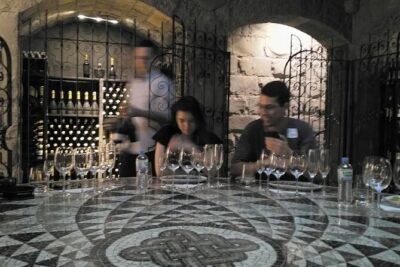

Quadricycle Tour to the Hills with Off Road 15km – 01 person
Read our review →Browse the lists this tour appears in