
Reviewed · WALKING TOURS
Walking Tour of São Luís do Maranhão
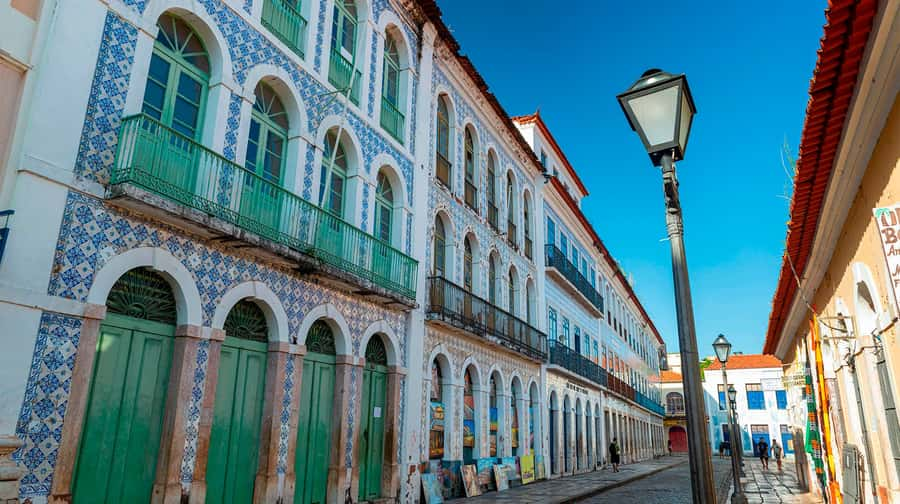
São Luís reveals itself best on foot, one tiled facade and narrow colonial street at a time. This private walk links the city’s grand civic buildings with small museums that explain Maranhão’s food, archaeology, legends, and mixed cultural roots.
I like the private format, which lets you ask questions and set the pace, and I like the range of stops, from Palácio dos Leões to the Museu da Gastronomia Maranhense. The main caution is timing: a few bookings have started late or finished early, so a delayed start can push the last part into darkness.
Another thing to consider is the walking surface and the city’s heat. You need comfortable shoes, sunscreen, and enough mobility for a 150-minute walk through the historic center. Guide Klaus has led this route in French, and English, Spanish, Portuguese, and French are offered.
Key points to know before booking
- Five notable São Luís stops: The route includes Palácio dos Leões, São Luís Historical House, the Gastronomy Museum, Teatro Arthur Azevedo, and the Archaeology and Natural History Research Center of Maranhão.
- A private 150-minute walk: You get a guide for your own group rather than joining a large tour.
- A useful first look at the city: The walk gives you a broad introduction to local buildings, food traditions, legends, and history.
- Several language choices: Live guiding is available in English, Spanish, Portuguese, and French.
- Timing matters: A late start can make the final section rushed or dark, especially if your booking begins near sunset.
- Not suited to limited mobility: This is a walking tour through the historic center, with no accessibility suitability for people with mobility impairments.
Why São Luís is best understood on foot
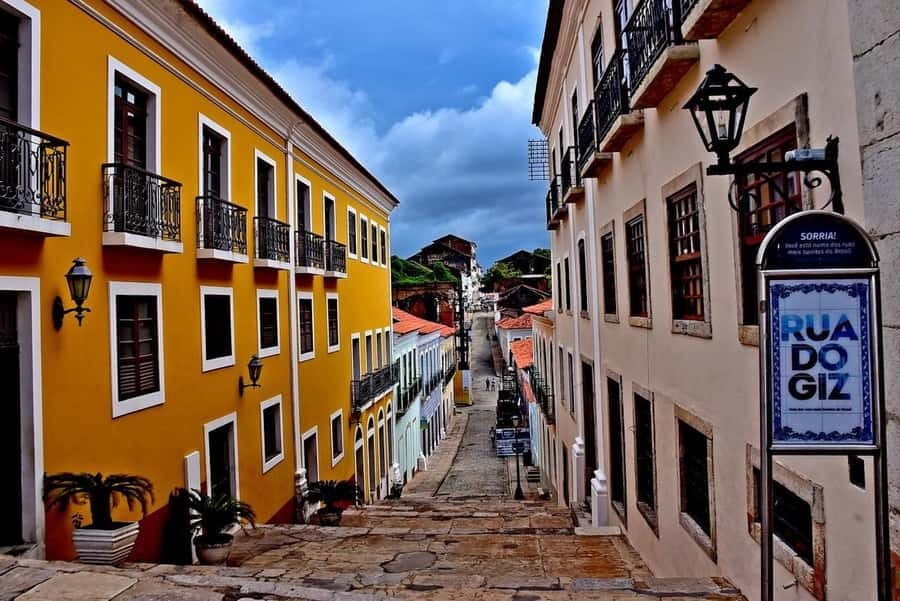
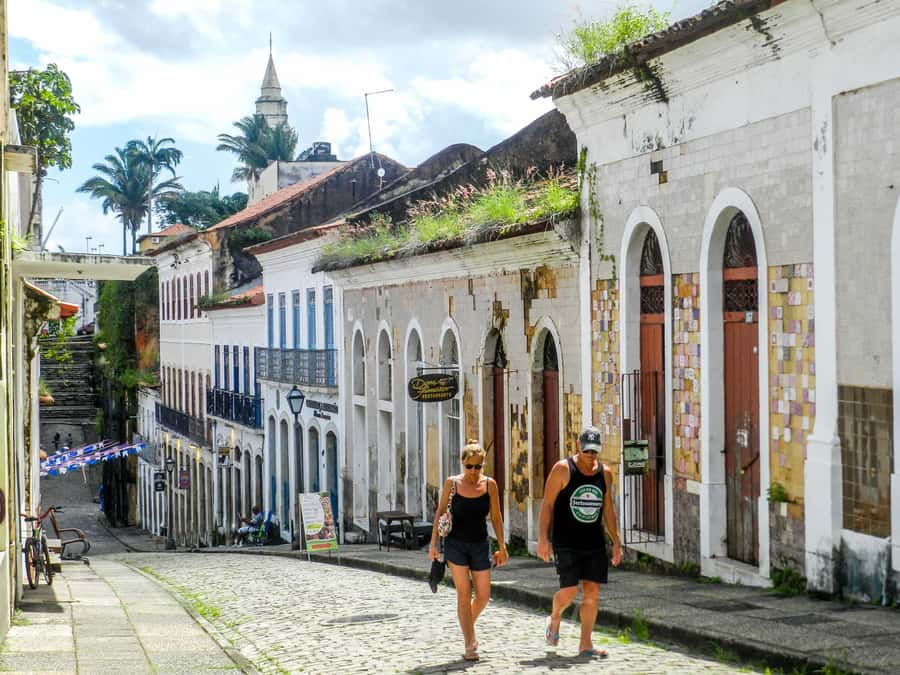
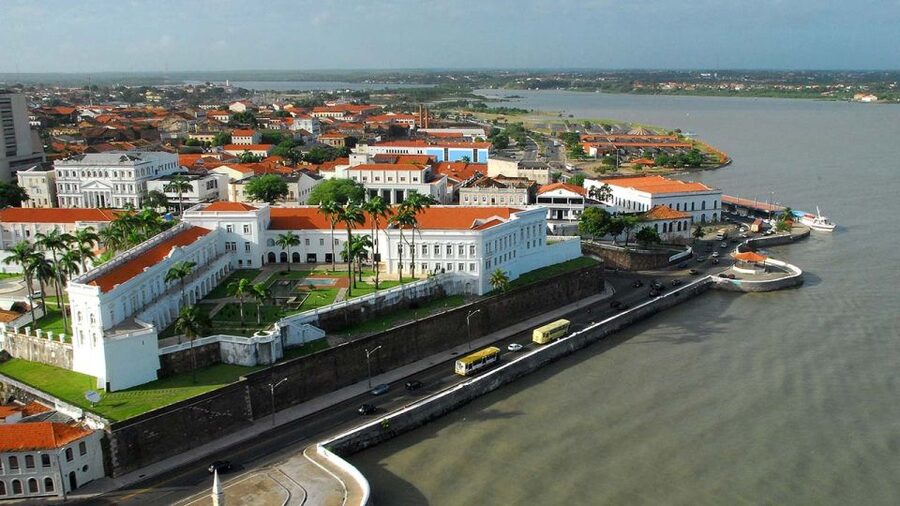
São Luís is the capital of Maranhão and a natural stop before or after visiting Lençóis Maranhenses. The city has a different feel from Brazil’s better-known southern destinations. Its historic core brings together Portuguese colonial design, tiled buildings, local traditions, and the cultural links between Brazil’s northeast and north.
A walking tour makes sense here because the important sights are close enough to connect on foot. You are not simply checking off isolated buildings. You are moving through streets where the scale, facades, and public squares help explain how the city developed.
The 150-minute length is long enough for a useful orientation without turning into an all-day march. I see it as a strong first activity in São Luís. Afterward, you can return to the places that caught your attention and spend more time inside any museum that was open.
The private setup is especially helpful if you want to ask about local customs or stop for clarification. It also gives you more control over the pace, though the actual experience depends heavily on the guide and on starting when planned.
More walking tours in Brazil:
- Rio de Janeiro: Rocinha Favela Walking Tour with Local Guide
★ 4.8 · 3,052 reviews - Rio De Janeiro: Half-Day Rocinha Favela Walking Tour
★ 4.7 · 2,272 reviews - Sunrise and Sunrise Walk Two Brothers with Local Guide
★ 5.0 · 193 reviews
Starting at Cais Praia Grande
The meeting point is Cais Praia Grande, a practical place to begin in the central area. From there, your guide takes you into the historic part of São Luís rather than sending you across town by vehicle.
The first value of the meeting point is simple: you begin close to the old center. You do not spend the opening part of the tour in traffic or dealing with transfers. The walk gets straight to the architecture and public spaces that define the city.
You should arrive ready to walk, not expecting a seated sightseeing trip. Wear shoes that are comfortable on uneven streets and bring sunscreen. The heat can make a short city walk feel much longer, and the tour has little practical value if you are distracted by sore feet or too much sun.
Because the experience is private, you may be able to ask for more attention on the topics that interest you most. You can ask about architecture, local food, legends, or the city’s role as a link between northern and northeastern Brazil.
Palácio dos Leões and São Luís civic life
Palácio dos Leões is one of the route’s most important landmarks. Its name means Palace of the Lions, and its inclusion gives the tour a civic and political center. Rather than looking only at residential facades, you get a sense of the buildings tied to public power in Maranhão.
This is the kind of stop where the guide’s explanation matters. A building can look impressive from the outside, but context tells you why it matters and how it fits into São Luís. Ask your guide to connect the palace with the city’s colonial past and its later role as a capital.
The tour also visits São Luís Historical House. The name suggests a more domestic and social view of the city, which balances the formal character of the palace. Here, the focus shifts toward how people lived, worked, and shaped the center over time.
That contrast is useful. Palaces and theaters show public ambition, while a historical house can make the past feel closer to everyday life. You are likely to get more from these stops if you ask questions instead of treating them as quick photo points.
The tiled streets and UNESCO setting
The historic center is the main setting for the walk. UNESCO recognition helps explain why the old streets and colonial buildings matter, but the title alone does not tell you what to look at.
Pay attention to the repeated details as you walk: the narrow streets, the old facades, and the way buildings create a connected urban scene. The charm comes from the whole center, not just one famous monument.
A guide can point out details you might otherwise pass without noticing. That is one of the better reasons to book a private walk rather than explore only with a map. You receive a framework for understanding the buildings and the local stories attached to them.
Still, do not expect every building to be open or every stop to receive the same amount of time. One booking found the gastronomy museum open while another museum was under construction. Conditions can change, so treat the route as a guided introduction rather than a promise of full access to every interior.
Same city, a completely different kind of day:
- Rio de Janeiro: 6-Stop Highlights of Rio with Lunch
★ 4.4 · 5,157 reviews - Christ the Redeemer Entry Ticket by Corcovado Train
★ 4.4 · 4,476 reviews - Rio de Janeiro: Sugarloaf Cable Car Official Ticket
★ 4.6 · 2,873 reviews - Rio: Christ the Redeemer, Sugarloaf, Selaron & BBQ Lunch
★ 4.5 · 2,428 reviews
São Luís food culture at the Gastronomy Museum
The Museu da Gastronomia Maranhense adds an important local angle. A city walk focused only on churches and colonial buildings would miss one of the strongest ways to understand Maranhão: its food.
The museum helps place local dishes and cooking traditions within the culture of the state. Your guide can connect the food displays with the wider identity of Maranhão, especially the blend of influences that gives the region its own character.
I like this stop because it changes the rhythm of the tour. After looking at government buildings and historic homes, you get a more sensory and everyday subject. Food also gives you useful ideas for the rest of your stay, even if the tour itself does not include a meal or tasting.
The museum’s opening status is not guaranteed. If it is open, you may have a more direct museum visit. If not, the guide can still discuss the role of local cuisine, but you should not book this tour expecting a dedicated food tasting.
Teatro Arthur Azevedo and the city’s cultural side
Teatro Arthur Azevedo brings performance and public culture into the route. A theater tells you something different from a palace or museum. It points to the city’s interest in music, drama, social gatherings, and the arts.
This stop is also a reminder that São Luís was not built only around administration or trade. Cultural buildings help show how residents used the city and where public life took place.
The tour information does not promise an interior performance, show, or backstage visit. Think of Teatro Arthur Azevedo as a landmark and a cultural talking point within the walk. If you are especially interested in entering the theater, ask the guide what is possible on your date.
The theater also makes the start time important. A booking that begins late in the afternoon may reach the final part after daylight fades. One delayed tour ended with roughly 30 to 40 minutes in darkness, which made the experience feel rushed. A morning or earlier afternoon start is the safer choice if you want the clearest views of the buildings.
Archaeology and natural history in one stop
The Archaeology and Natural History Research Center of Maranhão broadens the tour beyond the colonial period. Its subject matter can help connect São Luís to the land, people, and earlier periods that shaped the region.
This is a useful counterpoint to the old center’s European-style facades. You get a chance to think about Maranhão before and beyond the colonial buildings that dominate the streets.
As with the other museums, the exact experience depends on opening conditions and the time available. The tour is only 150 minutes, and five named highlights leave limited time at each one. You should expect an overview, not a long museum study session.
That is not a flaw if you use the walk as a first orientation. It becomes a drawback if you want to read every display or spend a full hour inside each institution. Independent return visits may be needed for a closer look.
The guide makes or breaks the pace
The strongest part of this experience is the guide’s ability to explain the city in clear, engaging terms. Several bookings found the guiding polished and well informed, including strong French-language service. Klaus is one named guide associated with the route, and he has been praised for speaking French very well.
The private format should give you room to ask questions. Use it. Ask what the buildings meant to local residents, which legends are tied to the old center, and what foods you should try in Maranhão. Those questions can turn a standard walk into a more personal introduction.
The weak point is guide pace and punctuality. One booking began 90 minutes later than planned after two delays and then lasted only about an hour and a half instead of the scheduled two and a half hours. The result was a rushed walk with part of it in the dark.
That kind of problem matters more here than it would on a bus tour. This experience depends on daylight, open museums, and time to walk between stops. If your guide contacts you about moving the start, consider how the change affects sunset and your later plans.
Is $120 a fair price?
At $120 per person, this is not a cheap city stroll. The value depends on your group size and how much you want personal guiding. For a private group that wants one guide, a chosen language, and a focused introduction to São Luís, the price can make sense.
The route covers several major sites in two and a half hours, and you avoid the uncertainty of wandering without context. You are also paying for a guide who can connect architecture, food, legends, and local history rather than simply point at buildings.
The value is weaker if you mainly want photographs or if you are happy reading about the city on your own. It is also weaker if the guide starts late or cuts the walk short. The scheduled duration matters, so confirm the start time and protect the first part of your day from tight connections.
Free cancellation up to 24 hours before the activity and the option to reserve now and pay later make the booking less rigid. Those terms are helpful if your plans around Lençóis Maranhenses are still changing.
Who should book this São Luís walk?
I would choose this tour for a first visit, especially if you want a private introduction before exploring on your own. It suits couples, families with good walking ability, and small groups that want to use English, Spanish, Portuguese, or French.
It is also a good match if you care about more than architecture. The combination of the Gastronomy Museum, the theater, and the archaeology and natural history center gives you several ways into São Luís.
I would be cautious if you have mobility limitations, dislike walking in heat, or need a strict finish time. The activity is explicitly not suitable for people with mobility impairments, and the route can lose value if delays shorten the walk or push it into darkness.
For the best chance of a smooth visit, choose an earlier start, wear comfortable shoes, bring sunscreen, and arrive at Cais Praia Grande ready to begin. If the guide proposes a substantial delay, decide whether the new time still gives you daylight and the full 150 minutes.
Should you book it?
Book this walk if you want a private, guide-led introduction to São Luís that mixes grand buildings with food culture and museum subjects. The route gives you a useful map of the historic center and enough background to make later independent exploring more rewarding.
Skip it if you want extended museum visits, a food tasting, or a fully flexible stroll. In that case, you may get more from choosing individual sites and visiting them at your own pace.
The deciding question is simple: do you value context and a local guide more than a low-cost walk? If yes, the experience offers good potential, provided the start time is firm and the guide gives you the full scheduled outing.
FAQ
Where does the walking tour begin?
The meeting point is Cais Praia Grande in São Luís do Maranhão.
How long does the tour last?
The scheduled duration is 150 minutes, or two and a half hours.
Which places are included?
The highlights are Palácio dos Leões, São Luís Historical House, Museu da Gastronomia Maranhense, Teatro Arthur Azevedo, and the Archaeology and Natural History Research Center of Maranhão.
What languages are available?
The live guide can conduct the tour in English, Spanish, Portuguese, or French.
Is this a private tour?
Yes. The activity is organized for a private group.
Is the tour suitable for people with mobility impairments?
No. The activity is listed as unsuitable for people with mobility impairments. Comfortable shoes and sunscreen are recommended.
Just added around Brazil
- Paraty Historical City Walking Tour★ 4.1 · 8 reviews
- Rio de Janeiro: Zip Lining and Canopy Tree Tour★ 3.3 · 6 reviews
- Hang gliding flight in Rio de Janeiro★ 5.0 · 6 reviews
- Vidigal Favela Tour★ 4.4 · 26 reviews
- Buzios: City Tour by Trolley with 12 Beaches and Pickup★ 4.5 · 4 reviews
- Rio de Janeiro: Attend a Vasco da Gama game with local guide★ 4.8 · 9 reviews
- Unforgettable Boat Party★ 5.0 · 3 reviews
- Amazon Jungle 3-Hour Tree Climbing Activity★ 4.6 · 6 reviews
Walking Tours, compared.


Sunrise and Sunrise Walk Two Brothers with Local Guide
Read our review →
Downtown-Center History Walking Tour – in English
Read our review →
Downtown-Center Walking Tour | 2 Hours – English
Read our review →
Learn the History of Rio with an Unforgettable City Center Walking Tour
Read our review →
Rio’s city walking tour: a glimpse of history and olympic legacy
Read our review →Browse the lists this tour appears in