
Reviewed · AMAZON RAINFOREST TOURS
Manaus : Visit to MUSA (Amazon Museum)
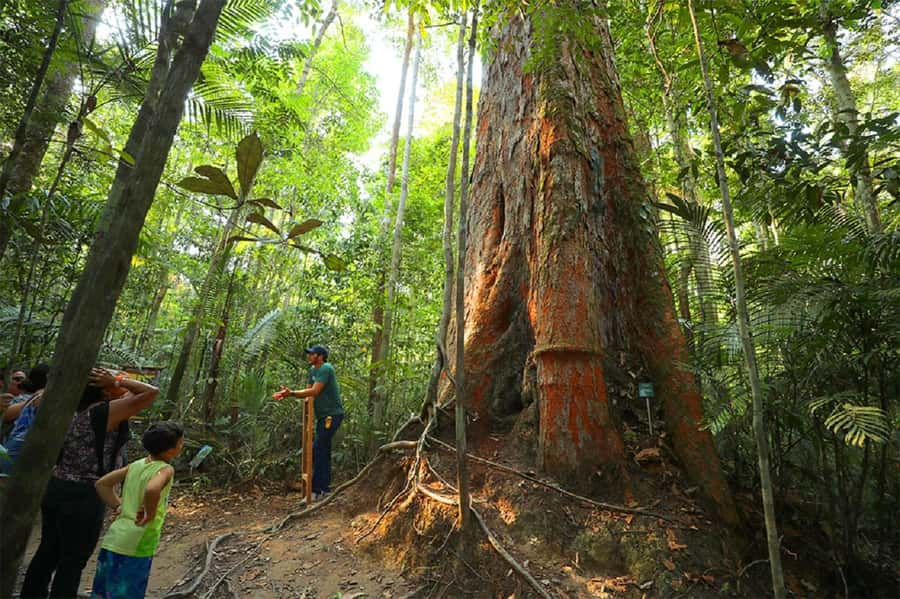
MUSA gives you a rare chance to meet the Amazon without leaving Manaus. The museum sits inside the Adolpho Ducke Forest Reserve, one of the few primary forests in a major urban area, so the experience moves quickly from city streets to birds, insects, vines, fungi, and towering forest growth. The observation tower at sunset is the day’s big finish.
I like the mix of exhibits and real forest, rather than a museum visit made up only of display cases. I also like the language choice, with guides available in English, Spanish, French, and German. The main caution is value: the MUSA Botanical Garden ticket is not included, and one recent booking found the guided visit and transport hard to justify compared with going independently.
Key points to know before you book
- Primary forest inside Manaus: The Adolpho Ducke Forest Reserve gives you a genuine forest setting within the city.
- Four-part visit: Plan on exhibitions, nurseries, trails, and the observation tower sunset.
- Guide quality may vary: Nathan received strong praise, and Lorenzo led a French-language family visit, but the guided route may not include special trails.
- Admission costs extra: The tour price covers transport and a licensed guide, not tickets to the MUSA Botanical Garden.
- Six hours is a proper half-day: You have time for the museum areas, walking routes, and late-afternoon tower visit.
- Wear closed shoes: Bare feet are not allowed, and proper footwear makes the forest paths more comfortable.
Why MUSA is different from a standard museum visit
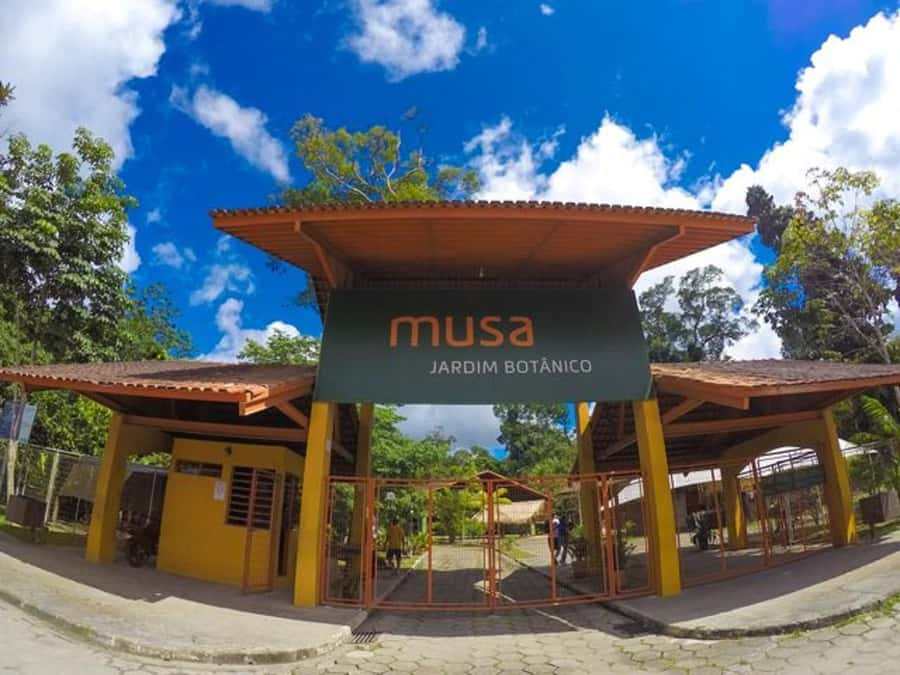
MUSA, short for Museu da Amazônia, is not simply a building with Amazonian objects on display. Its setting is the main attraction. You visit a preserved section of forest within Manaus, then use exhibitions and guided walks to make sense of what you are seeing.
That matters because the Amazon can feel abstract when you only encounter it through photographs or a short river excursion. Here, you can notice how plants compete for light, how insects occupy different spaces, and how scent, shade, moisture, and decomposing wood shape the forest floor. The experience is less about checking off famous sights and more about paying attention.
The forest reserve is described as one of the few primary forests in an urban area anywhere in the world. You do not need to travel far from Manaus to reach it, yet the surroundings offer a strong contrast to the city. For a first introduction to Amazonian ecology, that combination is useful.
The visit is priced at $80 per person, though prices can change. That is not a small sum for a museum and forest walk, especially since the botanical garden admission is extra. You are paying mainly for the car transfer and guide service. If those two parts are important to you, the price may be reasonable. If you only want the main trail, independent transport may offer better value.
More Amazon river and jungle trips:
- From Manaus: One-Day Amazon Jungle Experience
★ 4.8 · 408 reviews - Manaus: Full-Day Tour on the Amazon River
★ 4.2 · 362 reviews - Manaus to Santarém: 36-Hour Ferry on the Amazon
★ 3.9 · 55 reviews
Start with Amazon exhibits and local culture
The first part of the experience focuses on exhibitions about the Amazon’s biological and social diversity. The displays cover different environments, habitats, relationships between species, and traditional flavors.
This is a good opening because it gives you a framework before you enter the forest. Instead of seeing a vine, fish, or fungus as an isolated curiosity, you can begin to understand its place within a wider system. The social and cultural material also keeps the visit from becoming a purely scientific tour.
Expect a themed presentation rather than a long formal lecture. Some content is shown in its original language, so your guide’s explanations can be especially useful. Ask questions early if you want more detail about the displays or the traditional food references.
I like this part for families and first-time visitors because it can help younger visitors connect names and ideas with what they later see outdoors. It also gives you a break from walking before the forest trails begin.
The limitation is that the exact exhibition content can change. The supplied details do not provide a full list of galleries, so you should treat this as a broad introduction to Amazonian life rather than a fixed museum program with guaranteed individual exhibits.
See live specimens in the nurseries
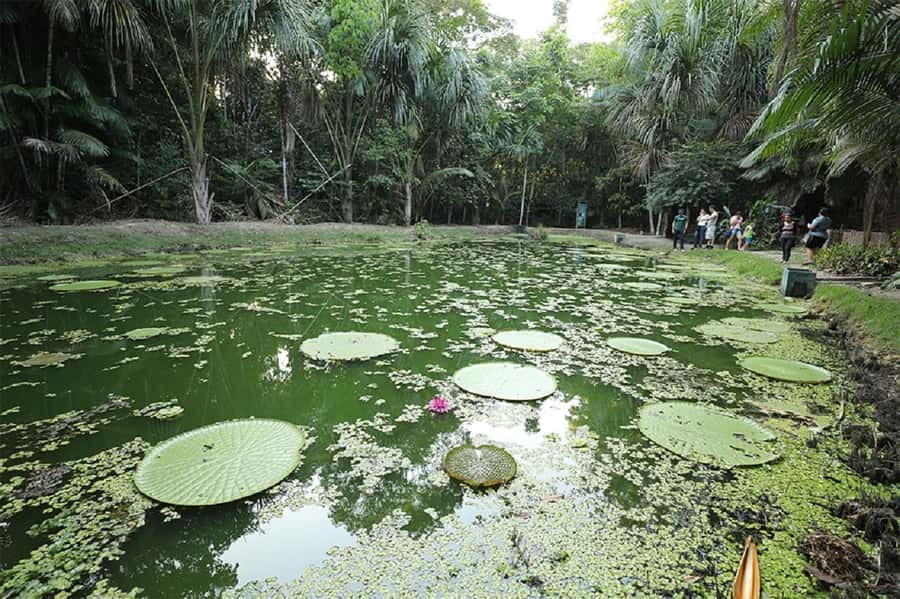
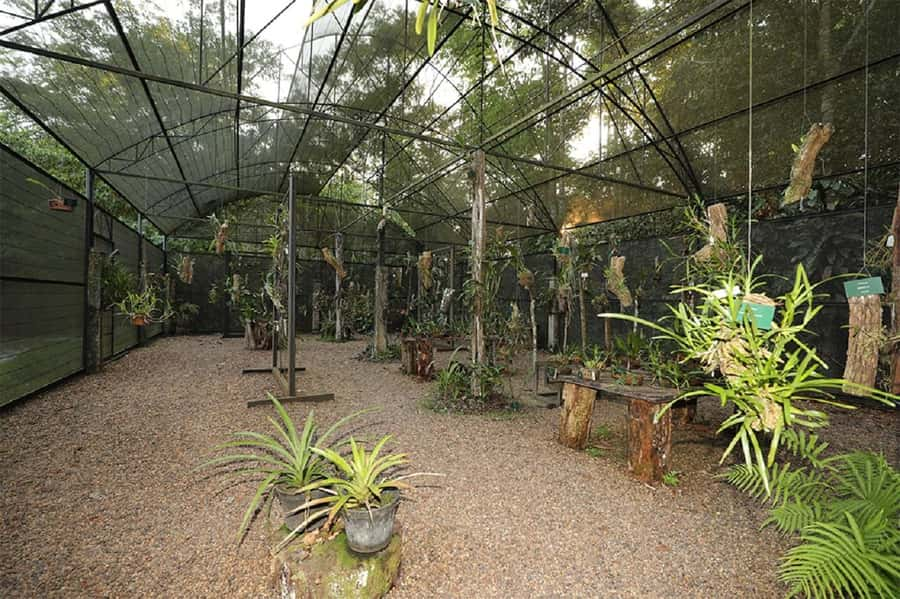
The nurseries bring you closer to the smaller, stranger parts of the Amazon. You may see snakes, fish, butterflies, arachnids, fungi, bromeliads, and Amazon victories in dedicated spaces and contemplation areas.
This is where the visit can become especially visual. The range of shapes, colors, and sizes helps you notice how varied the forest is. A bromeliad, for example, can look decorative at first glance, while a snake or arachnid demands a different kind of attention. The point is not simply to name each specimen, but to observe how many forms of life share one place.
For you, the nurseries may be more rewarding than a fast walk along a trail. Forest animals can be difficult to spot, especially if you are new to the region. In a nursery or controlled viewing area, you have a better chance to see details without relying on luck.
The word nursery should not make you expect a zoo-style animal show. The supplied information presents these spaces as places for close observation of Amazonian fauna and flora. The experience remains tied to the museum’s educational purpose.
If you are uneasy around snakes, spiders, or other small creatures, this section may not be your favorite. Still, you can focus on the plants, fungi, and fish, and the guide can help explain what you are seeing.
Walk the Adolpho Ducke Forest Reserve
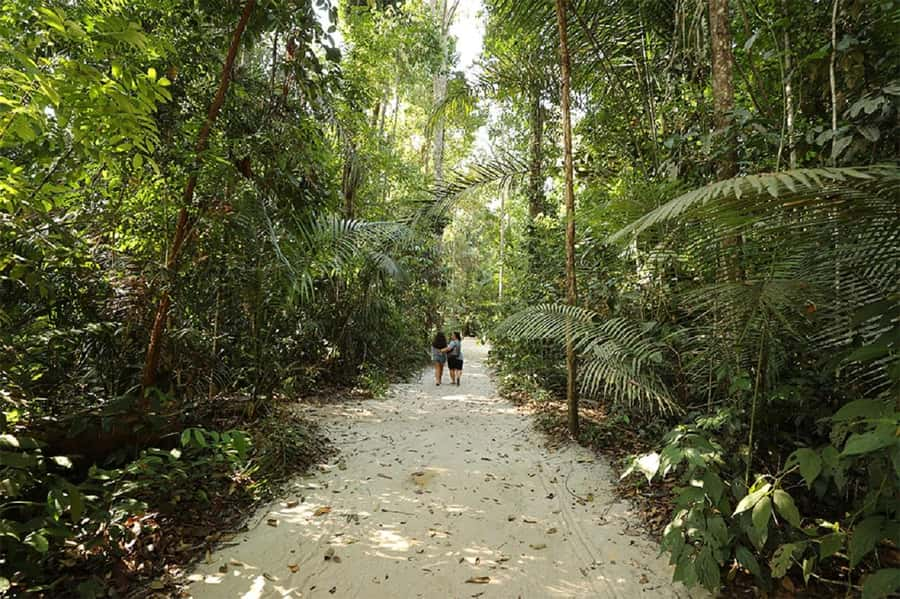
The trail section is the heart of the visit. The Adolpho Ducke Forest Reserve contains primary forest, and the paths invite you to use more than your eyes. You may hear birds and insects, notice vines reaching toward the sun, and pick up scents from resins, wood, and decaying plant matter.
That sensory detail is important. Amazonian forest is not just a wall of green. Light changes under the canopy, shadows shift, and different smells appear as you move. You might find yourself noticing a small leaf or a patch of decomposed wood more than a grand view.
The guide can add value here by pointing out the relationships between species and the different forest environments. A good guide also helps you slow down. In a tropical forest, the most interesting sight may be easy to miss if you walk too quickly.
The confirmed guide languages are English, Spanish, French, and German. Nathan received specific praise for his guiding, while Lorenzo led a French-language visit for a family. Those names may not represent every departure, so confirm the language and guide arrangement when booking.
There is an important distinction to understand. The standard route may not include special or restricted trails. One recent customer expected access to less common paths, then learned that those required an additional payment. If exploring more unusual trails is your main reason for booking, ask exactly what is included before you pay.
More museums and galleries in Manaus:
- Manaus: MUSA and INPA Museums with Observation Tower Tour
★ 3.4 · 26 reviews - Petrópolis Day Trip from Rio de Janeiro including Imperial Museum and Crystal Palace
★ 4.0 · 101 reviews - 7-Hour Shared Group Santos Tour : Mont Serrat, Coffee Museum and Sightseeing
★ 5.0 · 68 reviews - Olympic Boulevard, Museum of Tomorrow & Historical Rio
★ 4.5 · 66 reviews
Reach the tower for the Amazon sunset
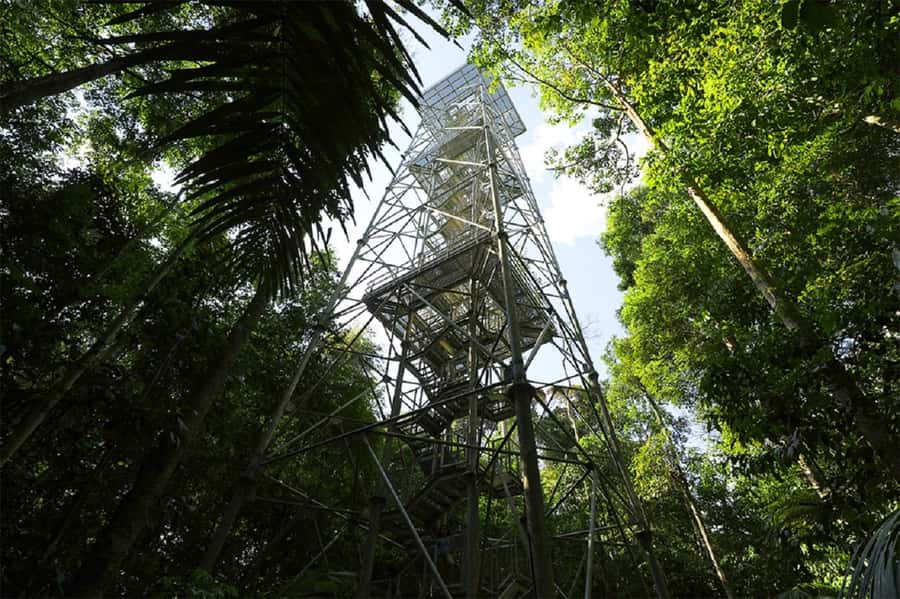
The final activity takes you up the observation tower inside the reserve. From there, you can look over the forest and watch the Amazonian sunset from above.
The timing gives the day a natural rhythm. You begin with interpretation and exhibits, see specimens in the nurseries, walk through the forest, then finish with a wider view. It is a pleasant way to end a six-hour outing, especially if you prefer a gradual experience rather than a quick photo stop.
Keep your expectations sensible. The supplied information does not promise a particular sunset color, wildlife sighting, or uninterrupted view. Weather and cloud cover will shape the scene. The value lies in seeing the forest at the end of the day, when light and shadow change across the reserve.
You should also check the starting time when selecting a date. The tour lasts six hours, but exact start times depend on availability. Since the tower visit is planned for late afternoon, the schedule matters more than it would on a simple morning museum visit.
Is the $80 price fair?
The advertised price is $80 per person. It includes transport in a car, van, or bus licensed by the tourism office, along with a licensed guide. Transportation is handled by professional drivers, and the visit is conducted as a group activity.
It does not include food, drinks, personal expenses, or admission to the MUSA Botanical Garden. That last item is the main price issue. You need to add the garden ticket to your budget, and one recent booking paid an additional amount for three people.
The tour can make sense if you want door-to-door transport, a guide in your preferred language, and a planned six-hour schedule. It is also useful if you would rather not arrange transport to a forest reserve on your own.
The value is weaker if you only want to walk the public trail. One booking from a group of three felt that the service amounted mainly to an Uber ride and a guide walking a route that could have been visited without one. That is a serious warning, not a minor complaint.
Before booking, ask three direct questions:
- Is the botanical garden entry included in the final amount?
- Which exact trails are part of the standard tour?
- Will the guide accompany the group throughout the exhibits, nurseries, and forest walk?
Those answers will tell you if you are paying for useful interpretation or mostly for transport.
Transport, group format, and comfort
Transport may be by car, van, or bus, depending on the departure. The activity is collective, so you should expect to share the experience with other people rather than receive a private tour.
That group format can keep the cost lower than a private arrangement, but it also means you have less control over pace. If one person wants to stop at every plant and another wants to reach the tower quickly, the guide has to balance both.
The route is listed as wheelchair accessible. Still, you may want to confirm which parts of the forest trail and tower route are accessible for your specific needs, since the details do not explain the surface, slopes, or access arrangements.
Wear closed-toe shoes. This is both a stated rule and simple forest-walking advice. Bare feet are not permitted. Smoking, alcohol, drugs, and fireworks are also prohibited, which is hardly a hardship in a protected forest.
Food and drinks are not included, so plan around the six-hour duration. The supplied details do not identify meal stops or refreshments, and personal expenses are your responsibility.
Who will enjoy this visit most
I would consider this experience a good match for you if you want a structured introduction to the Amazon while staying in Manaus. It suits families, first-time visitors, and anyone who values a guide’s explanation of plants, animals, and forest habitats.
It is also a sensible choice if you need a French, German, Spanish, or English-language guide. Lorenzo’s French-language service shows that the multilingual option can work well, while Nathan received especially positive recognition in English.
You may prefer another arrangement if you are comfortable organizing transport and walking on your own. The main trail may be accessible without paying for a guide, and the standard service may not provide access to the special routes you expected.
This is not the best fit for someone seeking a demanding wilderness expedition. The attraction is a protected forest within an urban area, with exhibitions and managed visitor spaces. That is precisely its strength for a short Manaus visit, but it also sets a limit on how remote the experience feels.
Should you book the MUSA visit?
Book it if you want a guided, organized introduction to Amazonian forest life and you place real value on transport and language support. The mix of exhibits, nurseries, trails, and sunset views creates a fuller visit than a short walk alone.
Think twice if the $80 price is stretching your budget, especially after adding the botanical garden ticket. In that case, compare the cost of independent transport and entry. If you do book, confirm the trail access and all extra fees in writing so you know exactly what the guide service provides.
The museum and forest reserve are worth your time. The real question is not whether MUSA is interesting. It is whether this particular package gives you enough guide service and convenience to justify its price.
FAQ
How long does the MUSA visit last?
The activity lasts six hours. Starting times depend on availability.
What does the tour include?
It includes transport in a tourism-office licensed car, van, or bus, plus a licensed guide.
Is admission to the MUSA Botanical Garden included?
No. Tickets to the MUSA Botanical Garden are not included in the tour price.
What languages are available?
Live guides may speak Spanish, English, French, or German.
What will I see at MUSA?
The visit includes exhibitions, nurseries, forest trails, and the observation tower at sunset. The nurseries may include snakes, fish, butterflies, arachnids, fungi, bromeliads, and Amazon victories.
Is the tour conducted privately?
No. The tour is conducted collectively, in a group.
Is the experience wheelchair accessible?
The activity is listed as wheelchair accessible.
What should I bring?
Bring closed-toe shoes. Food and drinks are not included, so plan for those separately.
Can I cancel the booking?
You can cancel up to 24 hours in advance for a full refund. The activity also offers reserve now and pay later.
Just added around Manaus
- Amazon Jungle 3-Hour Tree Climbing Activity★ 4.6 · 6 reviews
- Amazon Safari® Manaus: Day trip on the Amazon River★ 3.8 · 9 reviews
- Manaus: Meeting of the Waters & Pink Dolphin Tour with Lunch★ 3.9 · 37 reviews
- Manaus: MUSA and INPA Museums with Observation Tower Tour★ 3.4 · 26 reviews
- Manaus: Presidente Figueiredo Caves and Waterfalls Tour★ 4.8 · 13 reviews
- Manaus to Belem 5-Day Local Boat Trip★ 3.4 · 46 reviews
- Manaus: Amazon Rainforest Panoramic Airplane Flight★ 4.4 · 5 reviews
- Manaus: City Tour★ 3.5 · 4 reviews
Amazon Rainforest Tours, compared.
Manaus to Santarém: 36-Hour Ferry on the Amazon
Read our review →
Multi-Day Amazon Trip at Tapiri Floating Lodge
Read our review →
3 or 4-Day Rio Negro & Anavilhanas River Cruise
Read our review →

8day expedition of scenic beauty and Amazon traditional culture on Tapajós River
Read our review →
Browse the lists this tour appears in