Reviewed · RIO DE JANEIRO TOURS
Pantanal of Rio de Janeiro
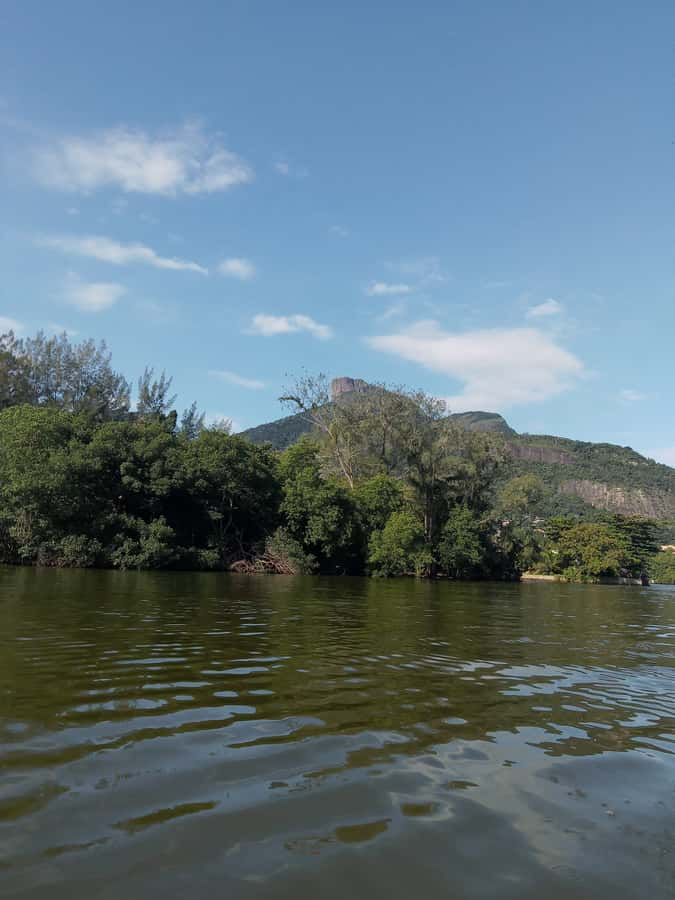
Rio’s Pantanal gives you a very different side of the city. Instead of beaches, samba streets, and famous viewpoints, you travel by boat through the waterways and mangroves around Barra da Tijuca, watching for caimans, capybaras, and other animals with Pedra da Gávea rising behind them.
I like the mix of wildlife and local life, especially the chance to visit Gigóia Island rather than simply pass it from a road. I also like the trilingual guiding, with Ione earning special praise for her clear Spanish, strong English, and thoughtful answers about Brazilian culture.
The main catch is the price structure. The advertised cost is $32 per person, but the boat costs an additional R$60, paid directly to the captain, or 5 percent more by card. Some people will find that fair for a three-hour outing, while others may feel the total is high for a short boat trip.
Key Points to Know Before You Go
- Caimans and capybaras are the main attraction: The boat ride is built around seeing Rio’s wetland wildlife in its natural setting.
- Gigóia Island adds a local side trip: You’ll walk through the archipelago’s largest island and can stop for food afterward.
- Pedra da Gávea provides the backdrop: The famous rock formations give the water route a distinctly Rio setting.
- The boat fee is extra: Bring R$60 in cash for the captain, or expect a 5 percent surcharge when paying by card.
- Jardim Oceânico is the meeting point: Meet outside Exit A of the Jardim Oceânico subway station.
- Barra da Tijuca beach is optional: This gives you a little more time by the coast if you want to extend the outing.
Rio’s Wetland Side Near Barra da Tijuca

Rio is often presented as a city of granite peaks and sandy beaches. This tour shows you that the city also has a quieter network of waterways, islands, and mangroves in the Barra da Tijuca area.
The setting is called the Pantanal of Rio de Janeiro, though it is not the vast Pantanal region in Brazil’s interior. Here, you stay within Rio’s urban area while moving through the archipelago by boat. That contrast is the point: you can see traces of city life, island communities, water, plants, and animals within one short outing.
I find this kind of experience useful after several days of major sights. It gives you a break from crowded attractions and lets you see how Rio’s natural spaces fit into everyday city life. You are not heading into a remote wilderness area, but you are leaving the usual sightseeing route.
The views toward Pedra da Gávea help make the trip memorable. The enormous rock is one of Rio’s most recognizable natural features, and seeing it from the waterways gives you a fresh angle. The tour combines the rock, river, mangrove, and wildlife rather than treating them as separate sights.
A few more Rio De Janeiro days to weigh up
- Rio de Janeiro: 6-Stop Highlights of Rio with Lunch
★ 4.4 · 5,157 reviews - Christ the Redeemer Entry Ticket by Corcovado Train
★ 4.4 · 4,476 reviews - Rio de Janeiro: Rocinha Favela Walking Tour with Local Guide
★ 4.8 · 3,052 reviews
Meeting at Jardim Oceânico Subway Station
The group meets in front of Jardim Oceânico subway station, at Exit A. This is an important detail because the station has more than one exit, and meeting at the correct one should save you from wandering around a busy area.
The meeting point also makes sense for this part of Rio. You are heading toward the Barra da Tijuca waterways, and the subway gives you a clear reference point for starting the activity. The tour itself lasts about three hours, so plan to arrive ready for a fairly compact outing rather than a full-day excursion.
Communication before the tour has generally been clear, but one practical weakness has appeared: on at least one occasion, the guide was late while the booking system showed the activity as already started. That caused understandable worry. If your guide is not immediately visible, wait at Exit A and use the tour contact details before assuming you missed the group.
Guiding is available in English, Portuguese, and Spanish. That matters here because the tour is not just a ride with scenery. You have the chance to ask about the islands, animals, local culture, and the way people live in this unusual part of the city.
Cruising the Archipelago by Boat
The boat ride is the heart of the experience. You travel through the islands of the archipelago, with Gigóia Island as the largest and most important stop.
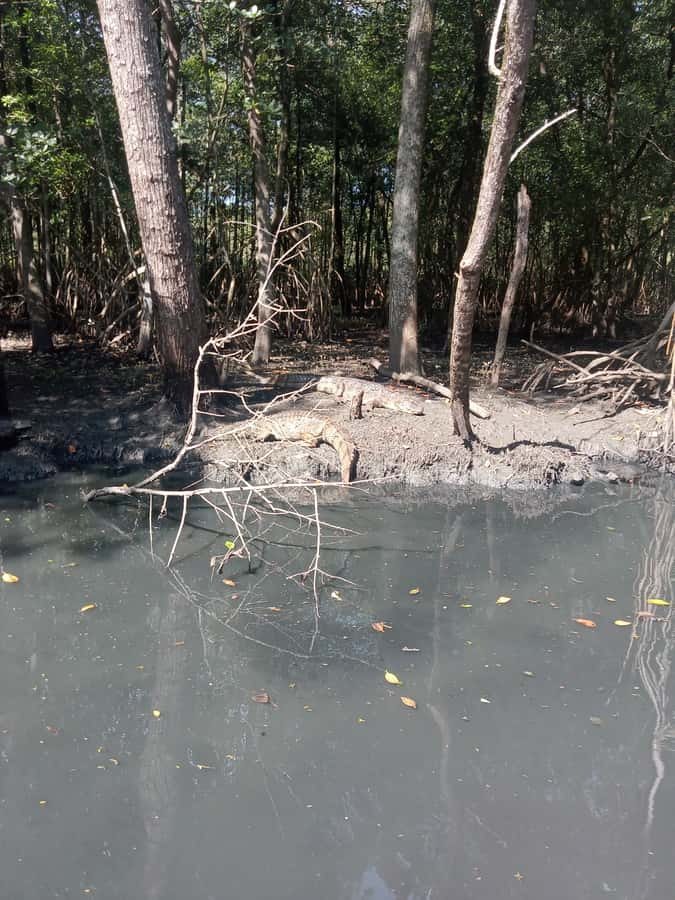
The route is meant for looking, not rushing. Keep your attention on the edges of the water and the banks, where caimans and capybaras may appear. Wildlife sightings are never fully guaranteed, so you should book this for the setting and the chance to see animals, not for a fixed checklist.
Caimans are the most unusual sight for many people. They give the ride a little excitement, though this is not an adventure tour built around close encounters. Capybaras provide a gentler highlight and help show the mix of wild and settled life in the area.
A guide makes a real difference during this section. Without explanation, you might simply see a waterway and a few animals. With a trilingual guide, you can place the islands in their local setting and ask questions as you go.
The boat payment needs careful attention. The $32 booking price does not cover the boat itself. You pay R$60 directly to the captain in cash, or you can pay by credit or debit card with an added 5 percent charge.
That extra cost does not make the tour poor value, but it changes the calculation. The total is more than the headline price suggests, and you should budget for it before booking. Carrying cash is the simplest choice if you want to avoid the card surcharge.
Gigóia Island and Its Everyday Rhythm
Gigóia Island is the largest island in the archipelago and gives the tour its strongest sense of place. You are not only looking at wildlife from the boat. You also get a chance to see an island community within Rio’s wider city limits.
The island visit is a pleasant part of the schedule because it slows the trip down. The boat ride gives you moving views, while the island lets you walk and notice the local surroundings at a closer pace.
Do not expect a long museum visit or a major historical monument. Gigóia works best as a small, informal stop where you can see another side of Rio and listen to the guide explain the area.
Food is one reason to leave a little room in your plans. Several restaurants are available on the island after the tour. Ione has recommended a restaurant with a good view, and you can choose to eat there rather than leave as soon as the guided part ends.
You should check the return arrangements if you stay for lunch. A water taxi back toward the metro costs an additional R$6, based on the information provided. That is a small expense, but it is worth carrying a little extra cash if you plan to eat or linger.
This stop suits visitors who enjoy observing ordinary local life as much as checking off famous sights. If you want nonstop wildlife viewing, the island walk may feel like a pause. If you like combining nature, food, and culture, it adds useful depth to the outing.
Same city, a completely different kind of day:
- Rio de Janeiro: Sugarloaf Cable Car Official Ticket
★ 4.6 · 2,873 reviews - Rio: Christ the Redeemer, Sugarloaf, Selaron & BBQ Lunch
★ 4.5 · 2,428 reviews - Rio De Janeiro: Half-Day Rocinha Favela Walking Tour
★ 4.7 · 2,272 reviews - Rio de Janeiro: Angra dos Reis and Ilha Grande Full-Day Tour
★ 4.6 · 1,673 reviews
The Pedra da Gávea View
Pedra da Gávea is not just a background prop. It gives the tour a strong Rio identity and reminds you that the city’s famous stone formations are tied to many different neighborhoods and environments.
From the water, the rock looks especially striking because the scene around it is so different from the usual beach photographs. You get river channels, mangrove, islands, and animals in the foreground, with the giant rock beyond them.
I like this part of the experience because it connects two versions of Rio. The city is known for dramatic mountains and beaches, but its waterways show another natural setting. The view helps you understand that Rio is more than its postcard center.
The tour does not promise a major viewpoint stop or a long hike around Pedra da Gávea. You see it from the boat, so set your expectations accordingly. This is a scenic reference point during the cruise, not a mountain excursion.
Optional Barra da Tijuca Beach Visit
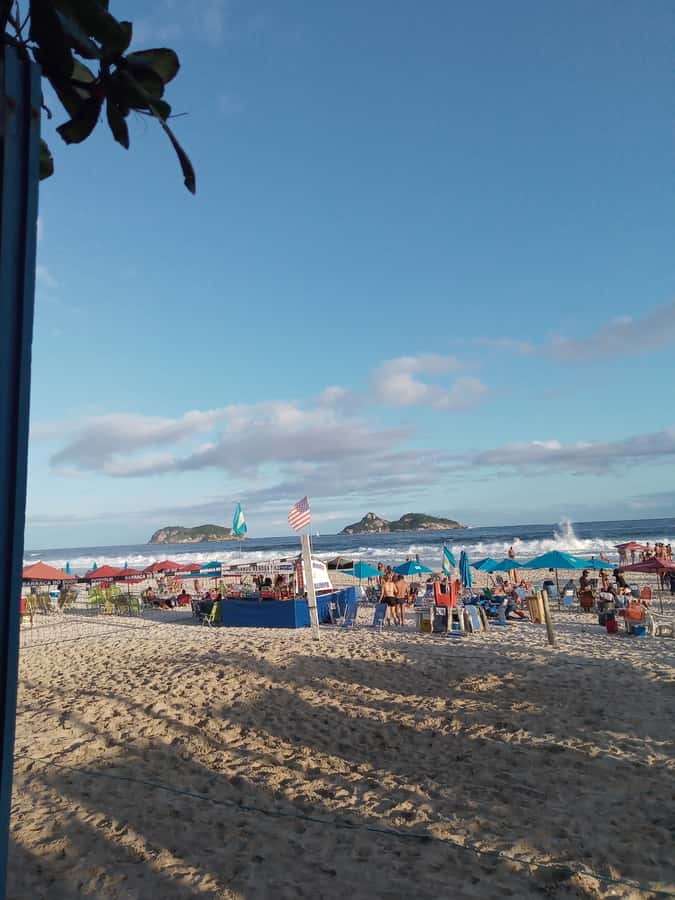
A visit to Barra da Tijuca beach is optional. That makes the final part flexible, especially if you have already spent time on Rio’s better-known beaches and would rather keep the focus on the islands.
Barra da Tijuca is useful for visitors who want to see a less central part of Rio’s coastline. The beach adds a coastal finish to a tour that begins with waterways and wildlife.
At the same time, the beach stop may not be the main reason to choose this experience. The boat ride and Gigóia Island are the distinctive parts. If you have limited time in Rio, I would choose this tour for the Pantanal setting first and treat the beach as an extra.
The optional format is helpful because it lets you adjust the day. You can spend more time with the island and its restaurants, or include the beach if you want a broader look at Barra da Tijuca.
How the Three Hours Feel
Three hours is enough for a taste of the area without taking over your day. You get the meeting, boat ride, animal watching, island visit, and possibly the beach, but the schedule remains compact.
That timing works well if you want to pair the outing with another Rio plan. I would avoid booking something tightly timed immediately afterward, since boat conditions, wildlife watching, and guide timing can affect the finish.
The experience is best taken at an easy pace. The wildlife portion depends on what appears along the route, and the island is more enjoyable if you have a few minutes to look around rather than treating it as a quick photo stop.
The activity has a current rating of 4.7 from 19 bookings, which fits the overall picture: strong guiding and unusual scenery are the biggest strengths, while the extra boat fee and occasional timing communication are the main concerns.
Guide Quality and Communication
The guide can shape this tour more than on a standard sightseeing route. Ione has received particularly strong praise for being warm, patient, and able to explain Brazilian culture, history, and current life in clear Spanish and English.
That quality matters because the setting may not explain itself. The islands, animals, restaurants, and waterways become more interesting when someone can connect them to the wider city.
You can also ask questions rather than simply follow a script. Ione has been described as answering detailed questions thoughtfully and never rushing the group. That is a real benefit for anyone interested in how Rio has developed beyond its famous central sights.
The main communication issue is the possibility of a delayed start not being reflected clearly in the booking status. It is not a reason to dismiss the tour, but it is a reason to keep your phone available and confirm the meeting point if the guide is not there at the stated time.
Who Will Enjoy This Tour Most
I would recommend this experience to you if you have already seen some of Rio’s headline sights and want something less predictable. It also suits anyone who likes animals, local food, short boat rides, and conversations about Brazilian culture.
Families may enjoy the caimans and capybaras, though the tour details do not specify age limits or child facilities. People who dislike boats, wildlife uncertainty, or informal extra payments may prefer a more structured city tour.
This is also a good choice for visitors who want to stay in the city rather than spend a full day traveling to a distant nature reserve. You get a nature-focused outing without giving up an entire day.
It is less suitable if your main goal is a long beach visit, a major hike, or a guaranteed wildlife encounter. The tour offers a chance to see animals and a distinct setting, not a promise that every creature will appear on cue.
Is the Total Cost Worth It?
The value depends on how much you want an unusual Rio experience. At $32 per person plus R$60 for the boat, the final price is higher than the initial figure suggests. Add the possible 5 percent card charge and the optional R$6 water taxi, and you should think in terms of the full day’s spending.
For that total, you receive a three-hour guided outing, boat access through the archipelago, a visit to Gigóia Island, and the chance to see caimans and capybaras. You also get a trilingual guide and views of Pedra da Gávea.
I think the price is reasonable for visitors who value local context and unusual scenery. If you only want a quick boat ride, it may feel expensive. The guide’s role and the access to the islands are what make the cost easier to justify.
Bring cash for the captain. That one small step keeps the payment simple and avoids the card surcharge. If you plan to eat on Gigóia Island or use the water taxi afterward, carry a little more.
Should You Book the Pantanal of Rio de Janeiro?
Book it if you want to see a quieter, less expected side of Rio, especially if caimans, capybaras, waterways, and island life appeal to you. The combination of wildlife, Gigóia Island, Pedra da Gávea, and a strong trilingual guide makes this more than a basic boat ride.
Skip it if you want a classic Rio attraction, a guaranteed animal show, or a fully predictable schedule. Be honest about the extra R$60 boat payment before you reserve, and remember that the beach stop is optional.
For the best fit, meet at Jardim Oceânico Exit A, bring cash, allow flexibility around the start time, and consider staying for food on Gigóia Island. Those details turn a short outing into a more rewarding look at Rio beyond its famous center.
FAQ
Where does the tour meet?
The meeting point is in front of the Jardim Oceânico subway station, at Exit A.
How long does the activity last?
The tour lasts three hours.
What languages are available?
Guiding is available in English, Portuguese, and Spanish.
Is the boat included in the advertised price?
No. The boat costs R$60 and is paid directly to the captain.
Can I pay the boat fee by card?
Yes. Credit or debit card payment is accepted, but it costs 5 percent more than paying in cash.
What animals might I see?
The tour is designed for viewing caimans, capybaras, and other animals in the area.
Is Gigóia Island included?
Yes. The tour visits Gigóia Island, the largest island in the archipelago.
Is Barra da Tijuca beach included?
A visit to Barra da Tijuca beach is optional.
Can I cancel the booking?
You can cancel up to 24 hours in advance for a full refund. You can also reserve now and pay later.
Just added around Rio De Janeiro
- Rio de Janeiro: Zip Lining and Canopy Tree Tour★ 3.3 · 6 reviews
- Hang gliding flight in Rio de Janeiro★ 5.0 · 6 reviews
- Vidigal Favela Tour★ 4.4 · 26 reviews
- Rio de Janeiro: Attend a Vasco da Gama game with local guide★ 4.8 · 9 reviews
- Unforgettable Boat Party★ 5.0 · 3 reviews
- Rio Highlights: Christ, Sugarloaf, and More in a Private Tour★ 5.0 · 36 reviews
- Tijuca Forest Hike – Waterfalls & Caves, Nature & Wild Life!★ 5.0 · 51 reviews
- City Tour Full VIP – Corcovado Train + Churrascaria Rodízio★ 5.0 · 43 reviews
Rio de Janeiro Tours, compared.


Christ the Redeemer Entry Ticket by Corcovado Train
Read our review →

Christ the Redeemer, Sugarloaf, Selaron & BBQ Lunch
Read our review →