
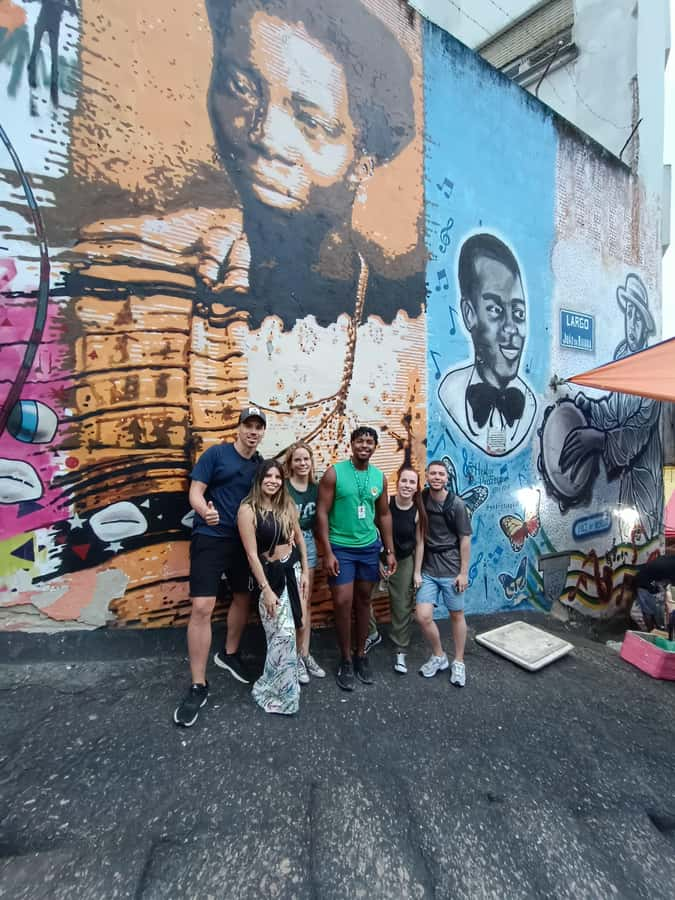
Reviewed · WALKING TOURS
Rio: African Culture Walking Tour
Rio’s most important samba stories begin far from the postcard beaches. This three-hour walk takes you through Little Africa and Pedra do Sal, where your guide explains Black resistance, slavery, abolition, and the Afro-Brazilian traditions that shaped the city. The tour then shifts from history to spectacle at Cidade do Samba, with a behind-the-scenes look at carnival workshops.
I like the clear connection between past and present, and I like that the tour reaches places many first-time visitors miss. The samba-school visit is another strong point: you do not only watch a parade, you see where the floats and costumes are made. The main consideration is price. At $100 per person, this is not a cheap stroll, and the final carnival segment can feel more staged than the walking tour.
Key points
- Little Africa and Pedra do Sal: Visit two important areas tied to Rio’s Afro-Brazilian past and Black resistance.
- History with room for questions: The guide explains slavery, abolition, racial oppression, and present-day heritage in a discussion-friendly way.
- Cidade do Samba access: See a carnival warehouse and learn how samba schools prepare their parade displays.
- Small setting: The group is limited to 15 people, and the activity is also listed as a private group.
- Three languages: Tours are offered in English, Spanish, and Portuguese.
- Flexible booking: You can cancel up to 24 hours ahead for a full refund and reserve without paying immediately.
Why Rio’s African story begins in Little Africa
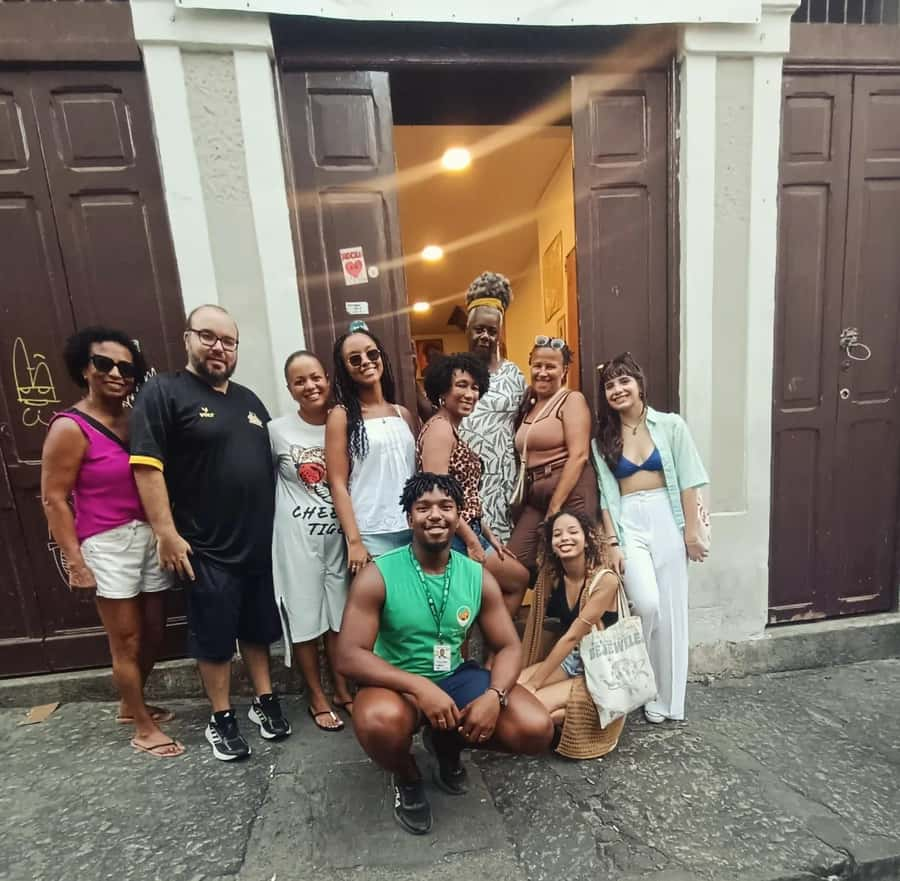
Rio is often sold through beaches, viewpoints, and samba nights. This tour starts with a different question: who built the city’s culture, and how did African traditions survive the violence of slavery and its aftermath?
In Little Africa, your guide links streets and landmarks to the history of Black communities in Rio. The point is not simply to collect names and dates. You are asked to see the city as a place shaped by resistance, forced migration, faith, music, labor, and cultural survival.
That framing gives the walk real value. You can enjoy samba as entertainment, but this tour explains why samba is also tied to identity and social history. The guide discusses the struggle to abolish slavery in Brazil and the continuing influence of Afro-Brazilian heritage in modern Rio.
The subject matter is serious, but the format is conversational. One participant described the guide as clear, well prepared, and open to questions. Another found useful parallels between racial oppression in Brazil and the United States, along with important differences. If you want a tour that leaves room for discussion rather than delivering a quick script, this is a good fit.
More Walking Tours in Rio de Janeiro
- Rio de Janeiro: Rocinha Favela Walking Tour with Local Guide
★ 4.8 · 3,052 reviews - Rio De Janeiro: Half-Day Rocinha Favela Walking Tour
★ 4.7 · 2,272 reviews - Sunrise and Sunrise Walk Two Brothers with Local Guide
★ 5.0 · 193 reviews
Pedra do Sal and the places most city tours skip
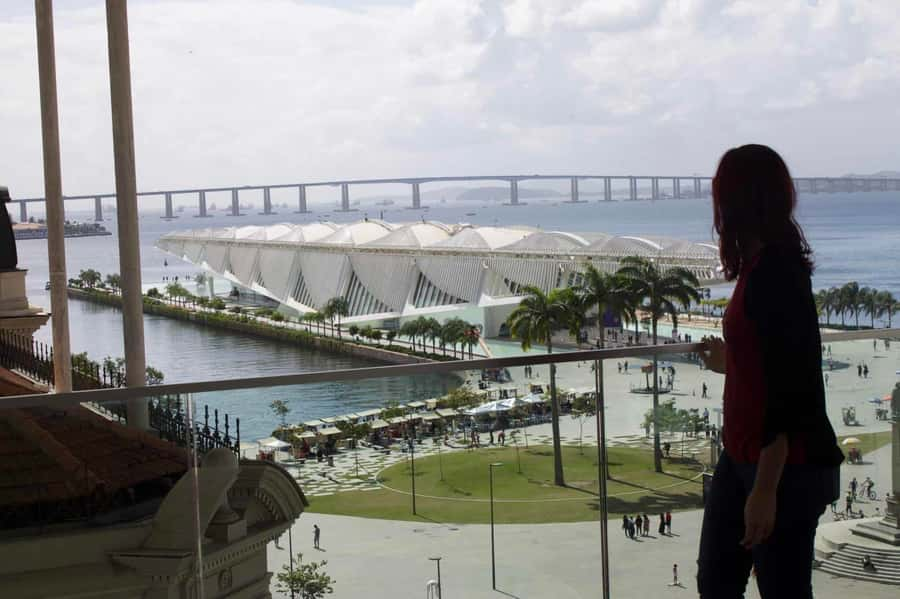
The walk includes Pedra do Sal, an area closely connected with Afro-Brazilian culture and the development of samba in Rio. Here, the setting matters. You are not learning about Black history only inside a museum or from a display case. Your guide presents the area as part of the living city.
Expect a walking tour built around explanation rather than a long list of photo stops. The supplied details do not specify every landmark visited, so your exact route may depend on the guide and the day. The central focus remains clear: important sites connected with Black resistance, slavery, abolition, and Afro-Brazilian traditions.
You should wear comfortable shoes and allow yourself time to listen. The walk lasts three hours in total, but it is not described as a strenuous hike. One participant specifically noted that the tour covered a lot without requiring excessive walking. That makes it useful for anyone who wants historical context without spending the whole day on foot.
The area can be emotionally demanding. A polished, light sightseeing tour would miss much of what makes Little Africa and Pedra do Sal important. If you prefer only easygoing entertainment, this may feel heavier than expected. If you want to understand Rio beyond its tourist image, that seriousness is part of the value.
A guide-led conversation about slavery and abolition
The quality of this experience depends heavily on the person leading it. The guide speaks English, Spanish, or Portuguese, and the tour is designed to explain complex subjects in an approachable way.
The strongest feedback centers on this human part of the experience. Rafael was praised for being attentive during one booking, while another participant described the guide as friendly, clear, and open to discussion. A Spanish-speaking participant also appreciated the way the subject of Afro-Brazilian identity was explained in a straightforward, educational manner.
That matters because the tour deals with subjects that can easily become either too academic or too vague. A good guide has to explain slavery and resistance accurately while also showing how those subjects connect to present-day Rio. Based on the available information, asking questions is encouraged rather than treated as an interruption.
You may also get practical suggestions for the rest of your time in Rio. One guide helped arrange an extra graffiti stop alongside an Uber trip back to the hotel. That is not a guaranteed part of the itinerary, but it suggests some flexibility when time and logistics allow.
The group size helps here. A maximum of 15 people is small enough for questions, although the activity is also described as a private group. Confirm the exact group arrangement when booking if having only your own party matters to you.
From historical streets to the City of Samba
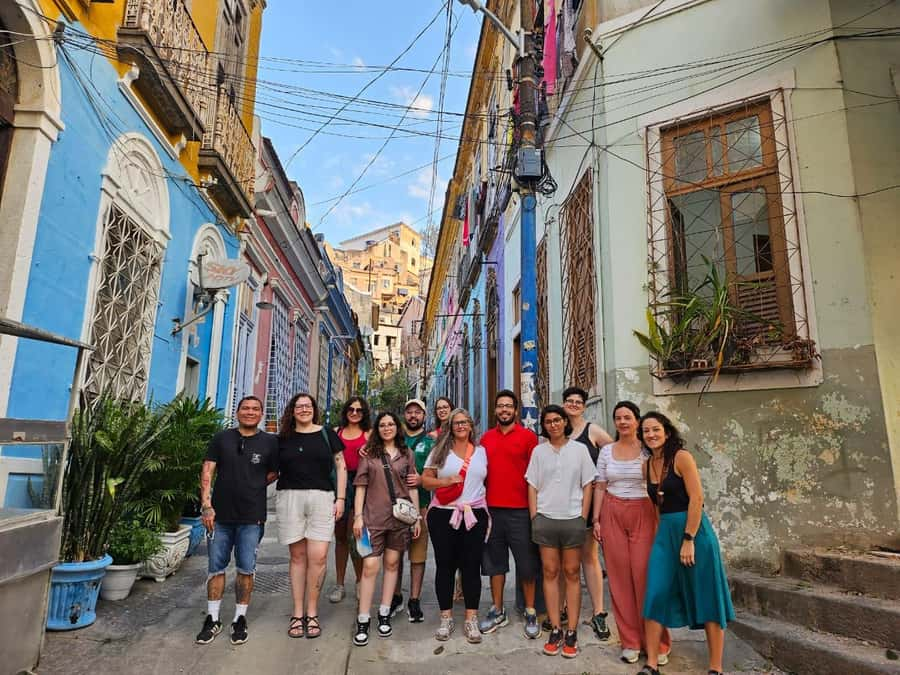
The tour concludes at Cidade do Samba, also called the City of Samba. This changes the mood and gives the historical walk a modern cultural payoff.
Inside the carnival complex, you learn how Rio’s samba schools prepare for their famous parades. The visit includes entrance to Cidade do Samba and Carnaval Experience, with access to a samba-school warehouse where parade pieces are created. You can expect an explanation of the origins of the samba-school parades and a look behind the scenes at the construction work that supports carnival.
This is one of the most unusual parts of the tour. A regular samba performance shows you the finished product. Cidade do Samba shows you the production side: the place where large parade elements, costumes, and visual designs come together before they reach the Sambadrome.
It also helps you understand that carnival does not appear by magic during parade season. It takes planning, design, labor, and community organization. The visit makes samba feel less like a single evening of dancing and more like a major cultural project.
There is a tradeoff. The Little Africa portion is rooted in streets and local history, while the warehouse visit is an organized attraction. One participant found the carnival section slightly less authentic than the walking portion, even while describing access to the workshop as amazing. I think that is the right way to approach it. Go for the unusual access and the explanation of parade-making, not for an unfiltered neighborhood experience.
Same city, a completely different kind of day:
- Rio de Janeiro: 6-Stop Highlights of Rio with Lunch
★ 4.4 · 5,157 reviews - Christ the Redeemer Entry Ticket by Corcovado Train
★ 4.4 · 4,476 reviews - Rio de Janeiro: Sugarloaf Cable Car Official Ticket
★ 4.6 · 2,873 reviews - Rio: Christ the Redeemer, Sugarloaf, Selaron & BBQ Lunch
★ 4.5 · 2,428 reviews
How the three-hour schedule works

The activity is compact enough to fit into a busy Rio itinerary. In broad terms, you spend the first part walking through Little Africa and Pedra do Sal, then finish at Cidade do Samba and Carnaval Experience.
That sequence works well. The historical sites give meaning to the cultural traditions discussed later, and the samba-school visit shows how those traditions continue in public life. You get both the difficult history and the colorful cultural expression, without needing to book separate activities.
The listing gives a three-hour duration, but it does not provide fixed start times. Check availability for the day you want. You also need to send a WhatsApp contact, which is important for meeting details and tour communication.
Food and drinks are not included. For a three-hour activity, that is not a major problem, but you should eat beforehand or plan your own refreshment. There is no indication that the tour stops for a meal.
The tour is wheelchair accessible according to the activity details. Since the experience combines walking through historic neighborhoods with a visit to a large carnival facility, confirm the exact route and meeting arrangements if you have specific mobility needs.
Is $100 a fair price?
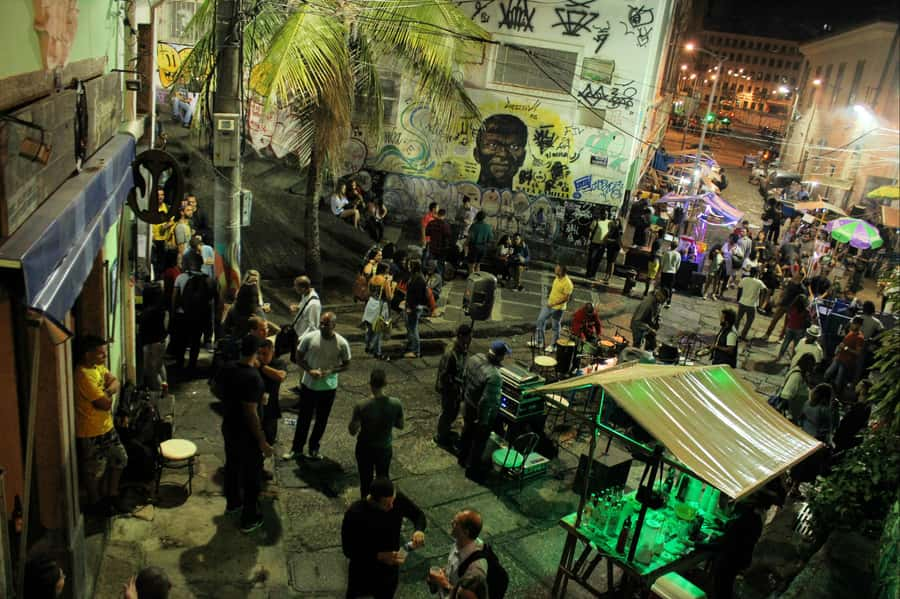
At $100 per person, the tour is priced above a basic city walking tour. The value comes from combining a specialized guide, a focused historical route, and admission to Cidade do Samba and Carnaval Experience.
I would consider the price reasonable for someone who wants this exact combination. Afro-Brazilian history, Little Africa, Pedra do Sal, and the inner workings of a samba school are not always covered together. You are paying for interpretation as much as for admission. Without a strong guide, the streets and warehouse would be interesting but less meaningful.
The price is harder to justify if you mainly want photographs or a quick introduction to samba. Rio offers cheaper ways to hear music and see carnival-related displays. This activity earns its cost through context, especially the discussion of slavery, abolition, resistance, and the links between history and contemporary culture.
The private-group wording also needs a little attention. The tour is described as a private group, while the general information gives a maximum of 15 people. Those details may refer to different booking options. Ask before paying if you need a fully private experience rather than a small shared group.
Who should book this experience?
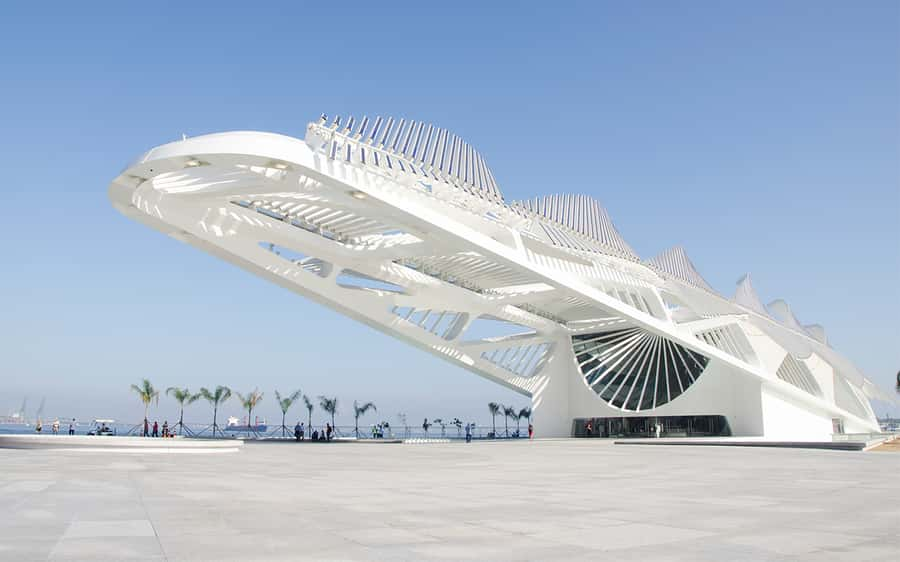
I would recommend it to you if you want Rio’s culture explained rather than simply displayed. It suits first-time visitors who have already seen the beaches and want a stronger sense of how the city developed.
It is especially useful for:
- People interested in Afro-Brazilian history and culture
- Visitors who want to understand the roots of samba
- Anyone who prefers a guide-led discussion to a self-guided walk
- Couples, families, or small groups looking for a focused three-hour activity
- English, Spanish, or Portuguese speakers
- Visitors who want a carnival experience outside the main parade season
You should think twice if you dislike serious historical subjects or want a purely festive activity. The first part deals directly with slavery, racial oppression, resistance, and abolition. The samba-school visit is lively in subject, but it is still an organized cultural attraction rather than a live parade.
The tour can also suit a repeat visitor. If you have already seen Rio’s classic sights, the Little Africa route adds a different layer to the city. You may come away with better questions about who gets represented in public history and how cultural traditions survive.
Practical details before you go
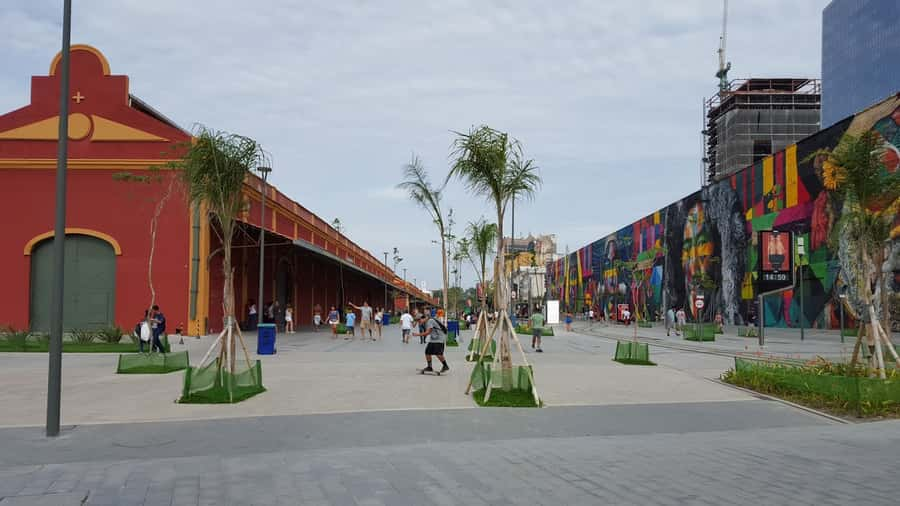
The experience lasts three hours and costs $100 per person. It includes the walking tour in Little Africa and Pedra do Sal, the behind-the-scenes visit at Cidade do Samba, entrance fees, taxes, and handling charges.
Food and drinks are not included. The guide languages are English, Spanish, and Portuguese. You should provide your WhatsApp contact after booking so the operator can communicate with you.
The cancellation policy is useful for a changing Rio schedule. You can cancel up to 24 hours in advance for a full refund, and the reserve-now, pay-later option lets you hold a place without paying at once.
The activity is listed as wheelchair accessible. Still, because the main portion takes place on foot, ask for route details if you need to know about surfaces, distances, or specific access arrangements.
The overall rating is 5 out of 5 from five recorded bookings, with repeated praise for the guides’ explanations, flexibility, and friendly manner. The most consistent strengths are the quality of the historical teaching and the unusual samba-school access.
Should you book the African Culture Walking Tour?
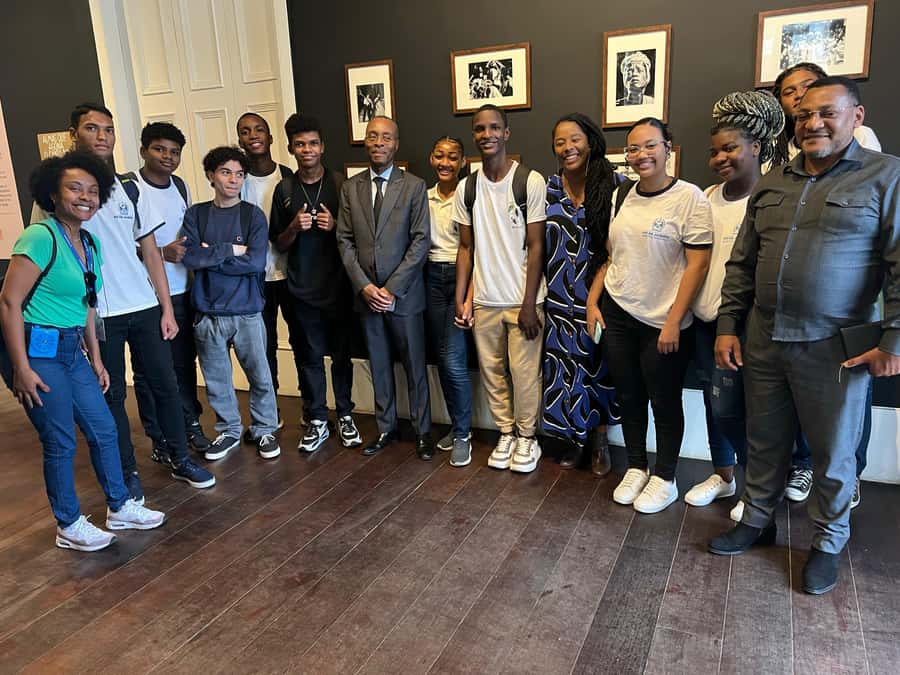
Book it if you want to connect Rio’s Afro-Brazilian past with the samba culture you see today. The best part is the balance: Little Africa and Pedra do Sal provide serious historical context, while Cidade do Samba shows how carnival is built and presented in the modern city.
I would choose this tour over a standard samba introduction if you care about the story behind the music. I would skip it only if $100 feels too high for a three-hour activity or if you want an entirely informal, street-level experience. The warehouse visit is less authentic than the neighborhood walk, but it adds access and explains the work behind Rio’s most famous cultural celebration.
FAQ

How long does the African Culture Walking Tour last?
The tour lasts three hours.
What areas does the walking portion visit?
The walking tour covers Little Africa and the Pedra do Sal region.
Is entrance to Cidade do Samba included?
Yes. The price includes entrance to Cidade do Samba and Carnaval Experience.
What languages are available?
The tour is offered in English, Spanish, and Portuguese.
What is included in the price?
The price includes the walking tour, the behind-the-scenes Cidade do Samba visit, entrance fees, taxes, and handling charges. Food and drinks are not included.
Can I cancel the booking?
Yes. You can cancel up to 24 hours in advance for a full refund. You can also reserve now and pay later.
Just added around Rio De Janeiro
- Rio de Janeiro: Zip Lining and Canopy Tree Tour★ 3.3 · 6 reviews
- Vidigal Favela Tour★ 4.4 · 26 reviews
- Hang gliding flight in Rio de Janeiro★ 5.0 · 6 reviews
- Rio de Janeiro: Attend a Vasco da Gama game with local guide★ 4.8 · 9 reviews
- Unforgettable Boat Party★ 5.0 · 3 reviews
- Rio Highlights: Christ, Sugarloaf, and More in a Private Tour★ 5.0 · 36 reviews
- Tijuca Forest Hike – Waterfalls & Caves, Nature & Wild Life!★ 5.0 · 51 reviews
- Tijuca Forest w/ Chinese View,cascatinha Taunay,horto waterfall and parque laje★ 4.5 · 29 reviews
Walking Tours, compared.


Sunrise and Sunrise Walk Two Brothers with Local Guide
Read our review →
Downtown-Center History Walking Tour – in English
Read our review →
Downtown-Center Walking Tour | 2 Hours – English
Read our review →
Learn the History of Rio with an Unforgettable City Center Walking Tour
Read our review →
Rio’s city walking tour: a glimpse of history and olympic legacy
Read our review →Browse the lists this tour appears in