
Reviewed · WALKING TOURS
Little Africa – Walking tour from the passed to the future
Little Africa is where Rio’s past becomes physical. In this three-hour walk, you follow alleys and historic sites connected to Africans brought to Brazil, seeing the former slave market area, homes, shops, burial grounds, and cultural landmarks. I like the focus on Black Brazilian heritage and the way the tour connects painful history with art and Rio’s future.
I also like the human touch from guides such as Larissa, Gabriela, Luana, and Rafael, who are praised for passion, care, and clear storytelling. The main caution is practical: the advertised US$32 is only part of the cost, English delivery has not been equally strong with every guide, and one museum admission was charged separately.
Key points to know before you book

- Three hours on foot: You explore Little Africa by walking through its historic streets and alleys, so comfortable shoes matter.
- A serious look at Brazil’s past: The route focuses on the arrival, sale, burial, and daily lives of Africans brought to Rio.
- History connected to the present: Art, culture, and the future of the neighborhood are part of the larger story.
- Guide quality can vary by language: Larissa, Gabriela, Luana, and Rafael received especially warm praise, while two English-language experiences were hard to follow.
- The final price needs checking: Pay US$32 through GetYourGuide, then R$160 per person to the guide, with a stated total of R$310 per person.
- A minimum of two customers applies: Solo visitors should contact the operator before reserving.
Why Little Africa matters in Rio
Many Rio tours focus on beaches, viewpoints, and grand landmarks. Little Africa asks you to look at a different foundation of the city: the forced arrival of Africans and the communities that formed around them.
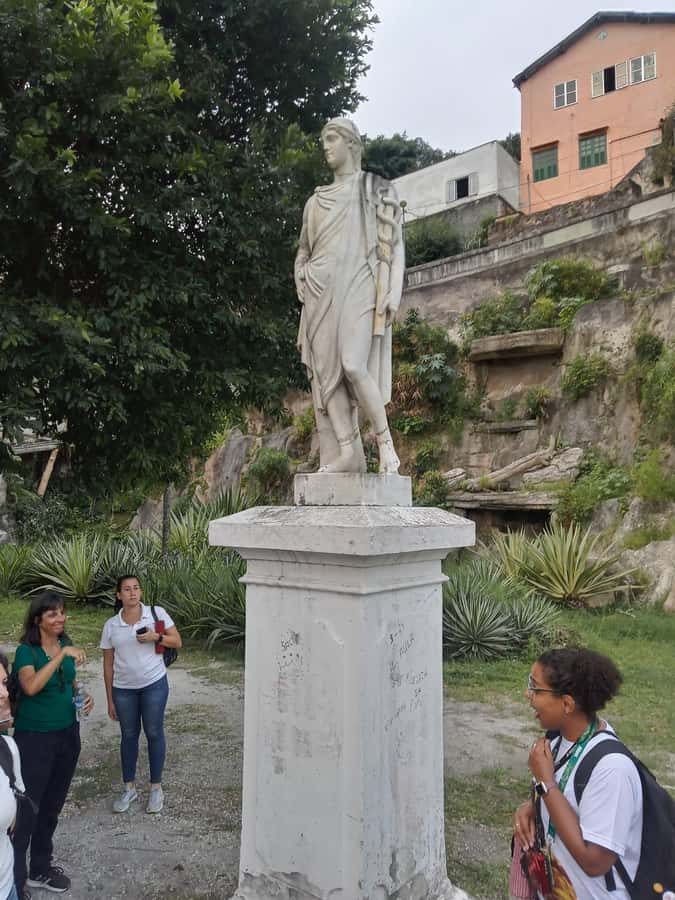
This area was once an entry point for men, women, and children brought from the African continent. It included an open slave market, shops, houses, and graveyards. The power of the tour comes from walking through the setting rather than hearing the subject as a distant chapter in a museum.
You do not need a specialist background in Brazilian history. The guide explains each place as you go, pointing out what happened there and why it matters. That setting can make the subject difficult, but also more understandable. Expect an emotional experience, and approach it with respect rather than as a quick sightseeing stop.
The title, from the past to the future, is useful. This is not only a tour about suffering. It also considers African influence on Brazilian culture, art, identity, and the direction of the area today.
More Walking Tours in Rio de Janeiro
- Rio de Janeiro: Rocinha Favela Walking Tour with Local Guide
★ 4.8 · 3,052 reviews - Rio De Janeiro: Half-Day Rocinha Favela Walking Tour
★ 4.7 · 2,272 reviews - Sunrise and Sunrise Walk Two Brothers with Local Guide
★ 5.0 · 193 reviews
A three-hour walk through the past
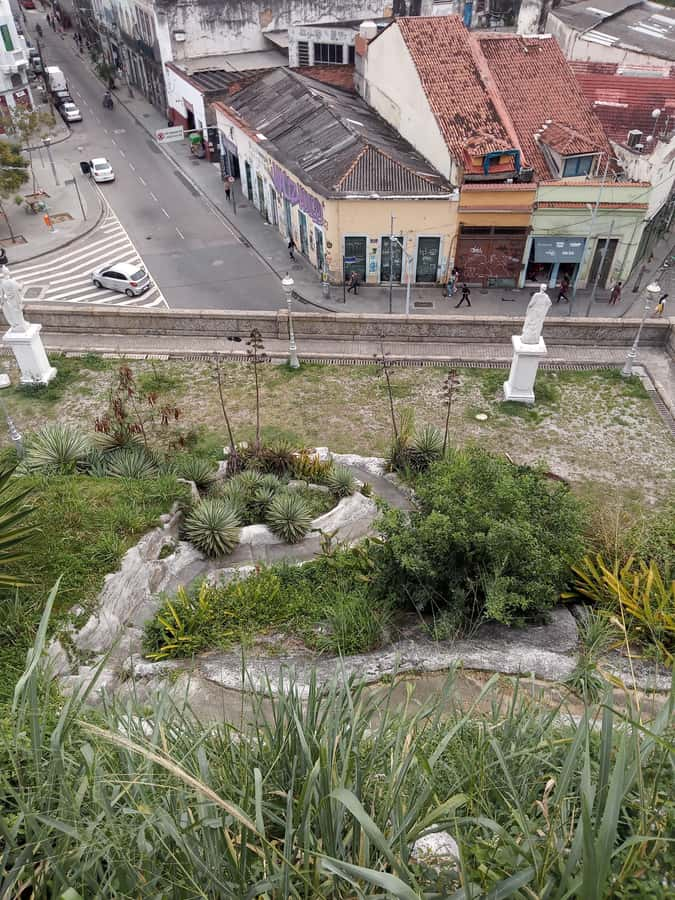
The exact order of stops can depend on the guide and the day, but the experience is built around a walking route through Little Africa. You meet in downtown Rio de Janeiro, then continue on foot through the historic zone.
The first part helps you understand the area as an arrival point. Instead of seeing isolated monuments, you learn how the former market, homes, stores, and burial places worked together. That context matters. It shows that the slave trade was not hidden away from ordinary city life. It was tied to commerce, housing, transportation, and public space.
As you walk, pay attention to the guide’s remarks about what has survived and what has changed. The remains may not look dramatic at first. Some historic places are marked by traces, objects, or modest urban details rather than complete buildings. A good guide turns those details into a clear story.
This is why the guide makes such a difference. Larissa was praised for telling the story with feeling and helping you picture events in their setting. Gabriela was described as both personable and well informed, making the tour a useful starting point for understanding Brazilian culture. Luana received praise for care and thoughtfulness, while Rafael was singled out for being helpful when a delayed flight disrupted the original plan.
Historic sites, artifacts, and the museum question
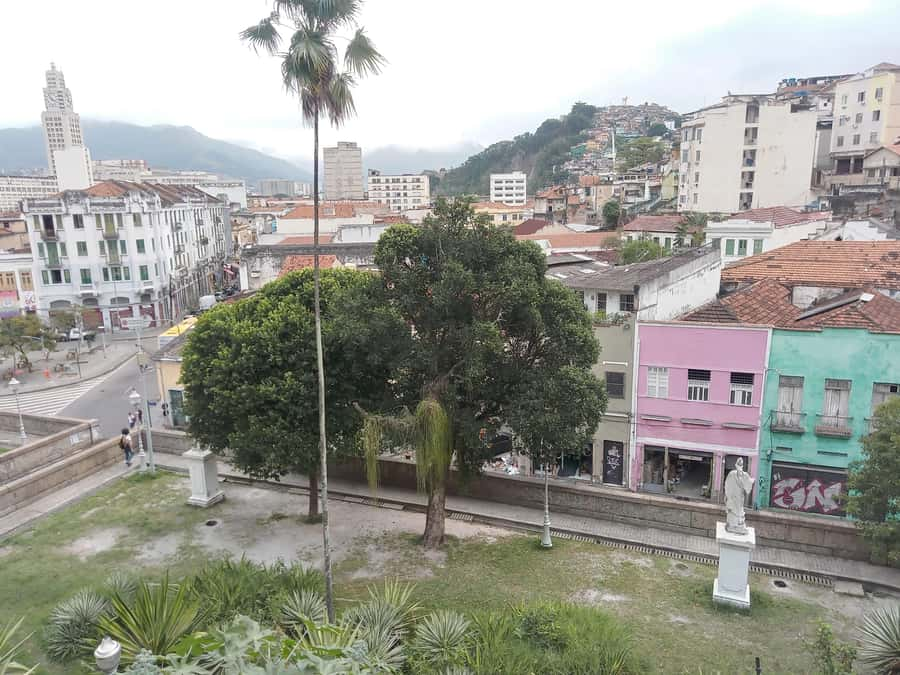
The route includes places connected with the forced arrival of Africans, the slave market, local homes, shops, and graveyards. You should expect history explained outdoors, with the city around you, rather than a sequence of formal museum rooms.
There may also be a museum visit or museum-related stop. This is one point to clarify before you go. At least one person was asked to pay an additional admission fee for a museum, which had not been expected. The listed tour price does not include food, drinks, transportation, or souvenirs, and it is safest to ask the operator if any entrance fee is due on your chosen departure.
A separate art museum exhibit was also not part of one scheduled experience. That means you should not assume every current exhibition or museum feature is included simply because the route passes near an arts institution.
I would treat any museum stop as a bonus, not the sole reason to book. The central value is the guide-led walk and the explanation of the historic places. If a specific exhibition matters to you, ask before paying.
The art and culture beyond the tragedy
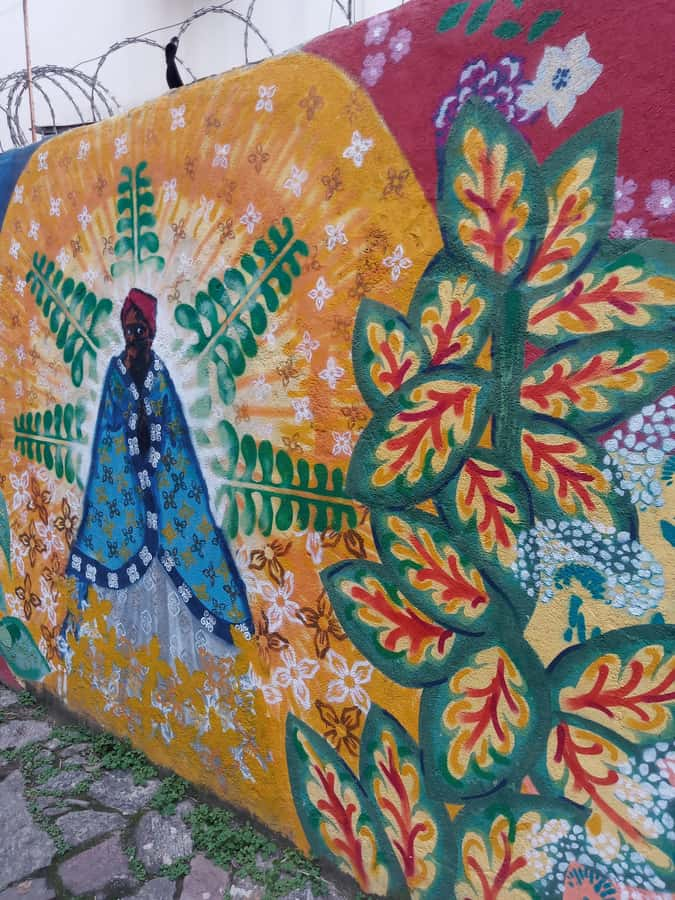
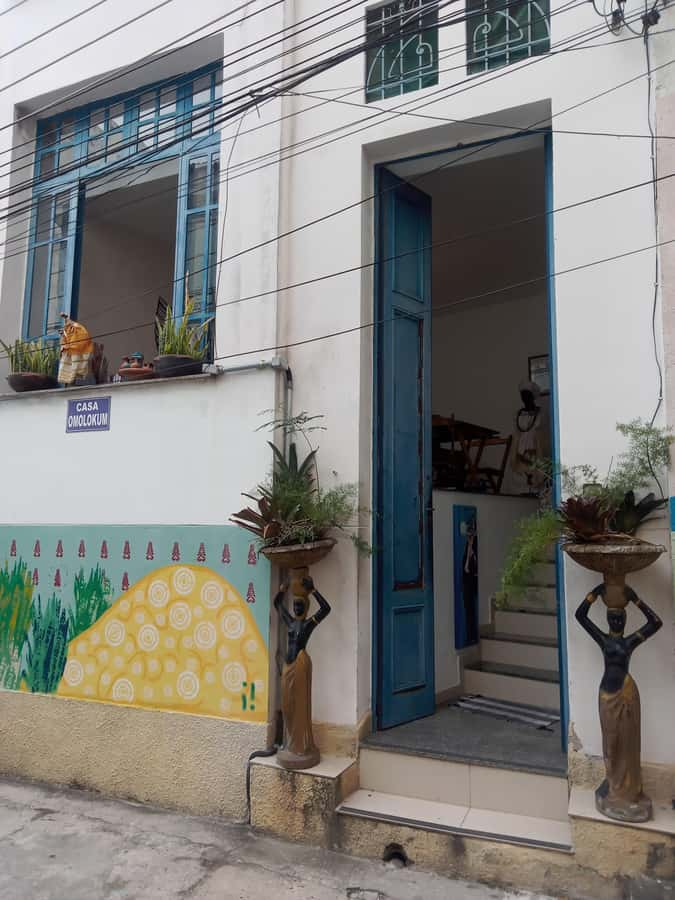
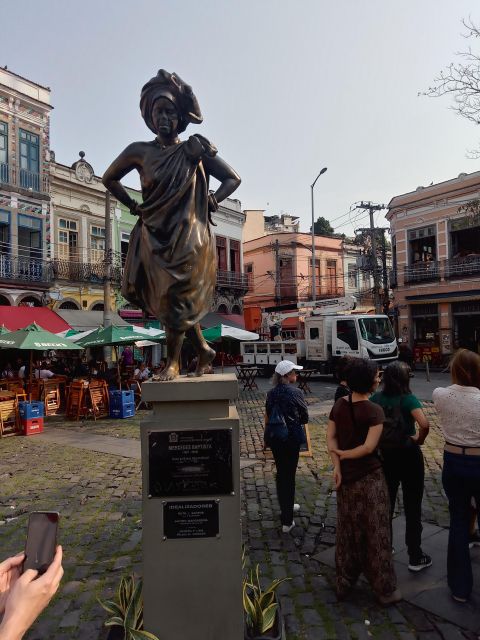
A good Little Africa tour cannot stop at the slave trade. African heritage shaped Brazilian music, food, religion, art, language, family life, and public culture. The supplied focus on art and culture points toward that wider story.
The route gives you a chance to connect physical places with the cultural life that followed. The guide may explain how African traditions continued under harsh conditions and how descendants helped shape Rio. Since the experience is described as moving from the past toward the future, listen for that link between memory and modern identity.
This is also where the tour can feel more useful than a simple list of dates. You are not only asking what happened here. You are asking how the past still affects the city you see today.
The experience may be most rewarding for you if you already plan to visit Rio’s better-known sights. After seeing beaches, mountain views, and central avenues, Little Africa adds a necessary human and historical dimension. It changes how you read the city.
Same city, a completely different kind of day:
- Rio de Janeiro: 6-Stop Highlights of Rio with Lunch
★ 4.4 · 5,157 reviews - Christ the Redeemer Entry Ticket by Corcovado Train
★ 4.4 · 4,476 reviews - Rio de Janeiro: Sugarloaf Cable Car Official Ticket
★ 4.6 · 2,873 reviews - Rio: Christ the Redeemer, Sugarloaf, Selaron & BBQ Lunch
★ 4.5 · 2,428 reviews
Guides and language: an important booking decision
The tour is offered in English, Portuguese, and Spanish. That is a real advantage, but the quality of spoken English may vary by guide.
Several guides received strong praise. Larissa’s passion and storytelling made the events easy to picture. Gabriela was praised for a warm manner and strong command of the subject. Luana was appreciated for being informative, kind, and thoughtful. Rafael was flexible when a flight delay caused a missed departure.
There is also a clear warning. Two English-speaking customers found their guide difficult to understand, even though he appeared to know the subject well. One felt the tour would have worked much better in Portuguese.
If English is your only practical language, contact the operator before booking and confirm that an English-speaking guide is available for your date. If you speak Portuguese or Spanish, you may have more flexibility. Do not treat the language choice as a small detail. On a history walk, unclear explanations can weaken the whole experience.
What the price really means

The advertised price is US$32 per person through GetYourGuide, but that is not the full payment. You are also asked to pay R$160 per person directly to the guide. The information gives a total of R$310 per passenger, so confirm the exact amount and exchange rate before you commit.
There is another detail to watch: card payments made directly to the guide carry a 5 percent tax. Ask if that fee applies to your payment method and whether cash is accepted.
At roughly three hours, the price can be fair if you value a focused guide and a serious look at Rio’s African heritage. You are paying for interpretation, not transport, meals, or a long list of included attractions. The value rises when the guide speaks clearly and gives the historical sites proper context.
The value drops if you expect a large museum program, transport from your hotel, or admission fees to be included. Those are not part of the stated package.
Children from ages five to ten are listed as receiving a 50 percent discount, and children from zero to four can join free on a parent’s lap. Another payment note refers to children ages three to ten receiving half price, so families should confirm the correct age rule before booking.
Who will get the most from this walk
I would recommend this tour to you if you want to understand Rio beyond its postcard attractions. It suits adults, older children who can handle a serious subject, students, and anyone interested in African diaspora history, Brazilian culture, or social memory.
It is also a good first step for a wider visit to Rio’s historic center. The guide can give you a foundation that helps other cultural sights make more sense.
This may not be the right choice if you want a light, entertaining stroll or a tour built mainly around photo stops. The material is painful and the route asks for attention. You should also consider your walking comfort, since the experience lasts three hours and takes place through streets and alleys.
Families should decide based on the child, not only the discount. The subject includes slavery, forced migration, death, and burial grounds. Younger children may find the tone difficult, even if they can technically join.
Useful practical details for the morning or afternoon

The meeting point is in downtown Rio de Janeiro. Transportation is not included, so you need to arrange your own way there and back. Food, beverages, and souvenirs are also separate.
Wear comfortable shoes and bring water, since the experience is on foot for three hours. The most important preparation is mental rather than physical: arrive ready to listen, and avoid treating the locations as ordinary photo backdrops.
The operator requires a minimum of two customers. If you are alone, contact the company before making a reservation. This can prevent a booking problem and may help clarify whether the departure will run.
Free cancellation is available up to 24 hours before the tour for a full refund. You can also reserve and pay later through the booking platform, which helps if your Rio schedule is still changing.
Should you book Little Africa?
I would book this walk if you want a serious, place-based look at Black Brazilian history and can confirm the language, final price, and any museum admission in advance.
The strongest part is the subject itself, supported by guides who bring care and emotion to the story. Larissa, Gabriela, Luana, and Rafael show how much a thoughtful guide can add. The main risks are uneven English delivery, an unclear split payment, and possible extra admission costs.
Before booking, ask three questions: Who will guide the English tour? Is the total still R$310 per person, including every required payment? Are any museum entries extra? If the answers are clear, this is a worthwhile addition to a Rio itinerary, especially for anyone who wants to understand the city rather than simply photograph it.
FAQ
Where does the Little Africa walking tour meet?
The meeting point is in downtown Rio de Janeiro.
How long does the tour last?
The walking tour lasts three hours.
Which languages are available?
The tour is offered in English, Portuguese, and Spanish.
What is included in the tour?
Online service and a tour guide are included.
Is transportation included?
No. Transportation is not included, so you must arrange your own way to the downtown meeting point.
What is the total price?
The information states US$32 per person through GetYourGuide, plus R$160 per person paid directly to the guide. It also states a total of R$310 per passenger. Confirm the final amount before booking, since the first payment is in US dollars and the second is in Brazilian reais.
Can children join the tour?
Children ages five to ten are listed as receiving a 50 percent discount, while children ages zero to four can join free on a parent’s lap. Another payment note gives the half-price range as ages three to ten, so confirm the correct age rule with the operator.
Is there a minimum number of customers?
Yes. The minimum is two customers. If you are booking alone, contact the operator before reserving.
Can I cancel for a refund?
Yes. You can cancel up to 24 hours in advance for a full refund.
Are museum admission fees included?
The supplied information does not confirm that all museum admissions are included. One customer was charged separately for entry, so ask the operator about any admission fees before the tour.
Just added around Rio De Janeiro
- Rio de Janeiro: Zip Lining and Canopy Tree Tour★ 3.3 · 6 reviews
- Vidigal Favela Tour★ 4.4 · 26 reviews
- Hang gliding flight in Rio de Janeiro★ 5.0 · 6 reviews
- Rio de Janeiro: Attend a Vasco da Gama game with local guide★ 4.8 · 9 reviews
- Unforgettable Boat Party★ 5.0 · 3 reviews
- Rio Highlights: Christ, Sugarloaf, and More in a Private Tour★ 5.0 · 36 reviews
- Tijuca Forest Hike – Waterfalls & Caves, Nature & Wild Life!★ 5.0 · 51 reviews
- Tijuca Forest w/ Chinese View,cascatinha Taunay,horto waterfall and parque laje★ 4.5 · 29 reviews
Walking Tours, compared.


Sunrise and Sunrise Walk Two Brothers with Local Guide
Read our review →

Downtown-Center History Walking Tour – in English
Read our review →
Downtown-Center Walking Tour | 2 Hours – English
Read our review →
Learn the History of Rio with an Unforgettable City Center Walking Tour
Read our review →
Rio’s city walking tour: a glimpse of history and olympic legacy
Read our review →Browse the lists this tour appears in