
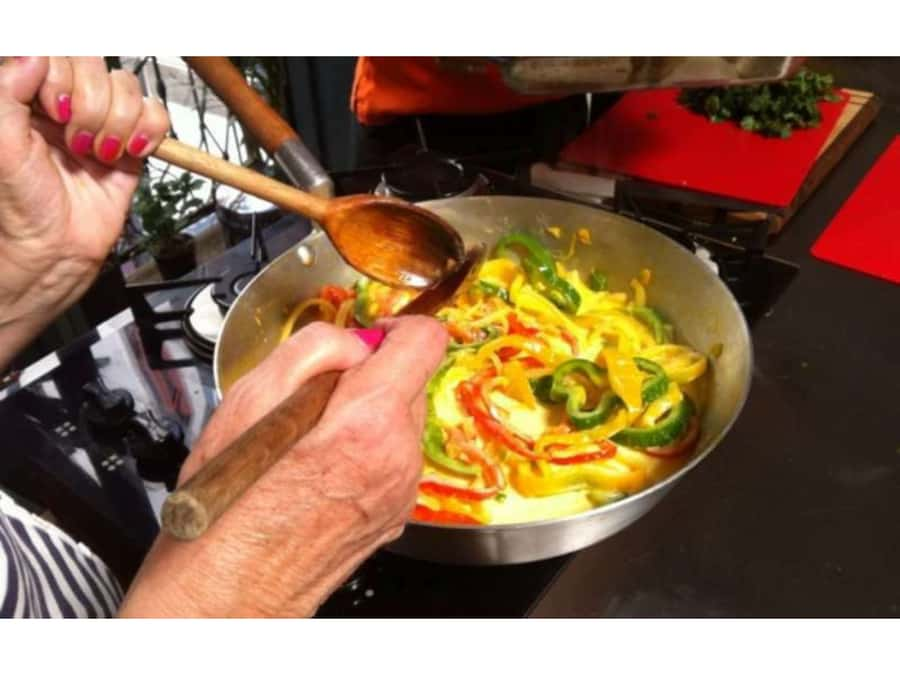
Reviewed · WORKSHOPS
Rio de Janeiro: Brazilian Cooking Class in Rio de Janeiro
Brazilian cooking comes alive in this small Copacabana class, where you do the chopping, stirring, frying, and mixing yourself. Chef Simone leads the session in English, Portuguese, or Spanish, and the menu changes by day: seafood moqueca on Mondays, Wednesdays, and Fridays, or pork-and-bean feijoada on Saturdays. You finish at the table with caipirinhas, coconut drinks, and the food you prepared.
I like the hands-on format and the fact that the ingredients are practical enough to find outside Brazil. I also like the small size, with no more than seven participants, since that gives you room to ask questions. The main drawback is the price, $220 per person, and the advertised timing is inconsistent: some details call it three hours, while others describe a four-hour class.
Key points to know
- Chef Simone leads the class: She teaches Brazilian cooking and shares cultural context in English, Portuguese, or Spanish.
- The main dish depends on the day: Choose seafood moqueca on Monday, Wednesday, or Friday, or feijoada on Saturday.
- You cook the meal yourself: This is not a demonstration followed by a tasting.
- The menu includes drinks and dessert: You prepare or receive five dishes, two alcoholic drinks, and a changing sweet course.
- The group is limited to seven people: The experience is also sold as a private group.
- Transportation is not included: You make your own way to the cooking studio in the Copacabana area.
Cooking Brazilian Food Instead of Just Watching
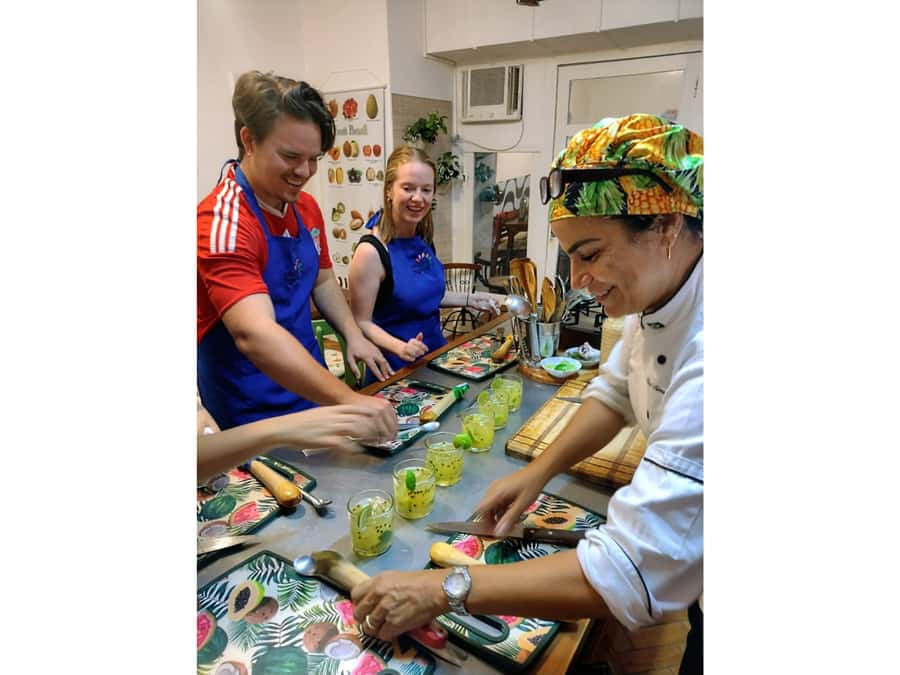
Many food tours give you a bite, a story, and a bill. This one asks you to work for lunch or dinner. You learn the basic methods behind several Brazilian favorites, then eat the finished meal with the chef.
That difference matters. You see the ingredients before they are transformed, and you can ask why a dish uses a certain spice, starch, or cooking method. For me, that makes the class more useful than a simple restaurant meal. You leave with recipes and techniques you can try again at home.
The class is designed for all skill levels. You do not need previous cooking experience, and you do not need to be a serious home cook. If you already know your way around a kitchen, you can focus more on Brazilian ingredients and flavor combinations. If you are new to cooking, Chef Simone guides you through the process.
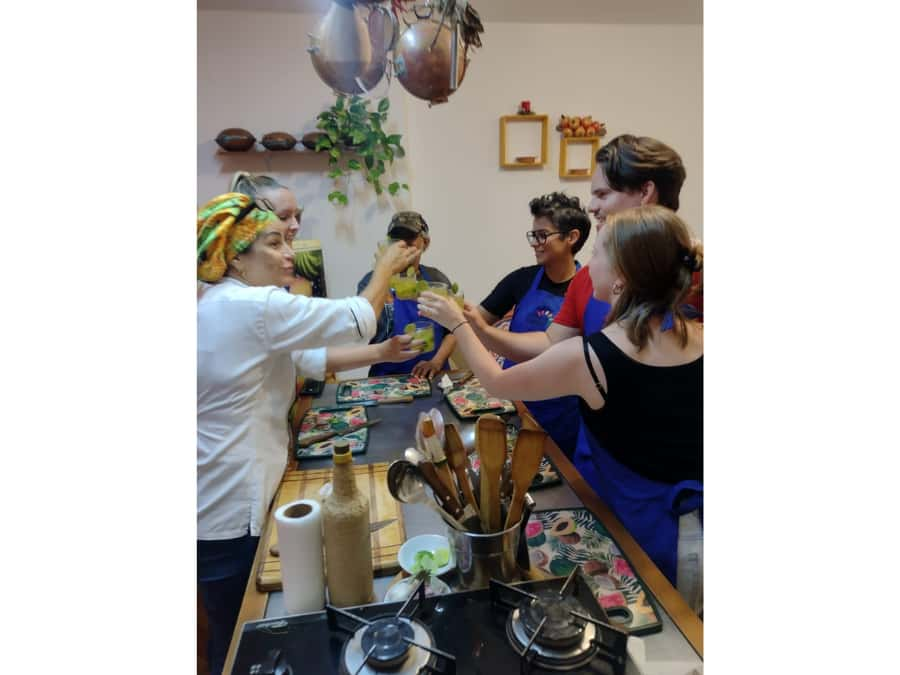
The class has a social side, too. After cooking, you sit down with the instructor and toast the meal. One especially nice touch is the chance to talk about Brazil beyond food. Chef Simone has been praised for sharing her knowledge of Rio and the country, not just reading steps from a recipe card.
A few more Rio De Janeiro days to weigh up
- Rio de Janeiro: Brazilian Cooking Class with Hotel Pickup
★ 5.0 · 5 reviews
Picking Between Moqueca and Feijoada
Your main dish depends on the day you book. Seafood moqueca is offered on Mondays, Wednesdays, and Fridays. Feijoada is offered on Saturdays.
Moqueca is a seafood stew with a strong Brazilian identity. The class gives you a chance to understand how its ingredients come together instead of meeting it only as a finished bowl in a restaurant. If you like fish and seafood, this is likely the better choice.
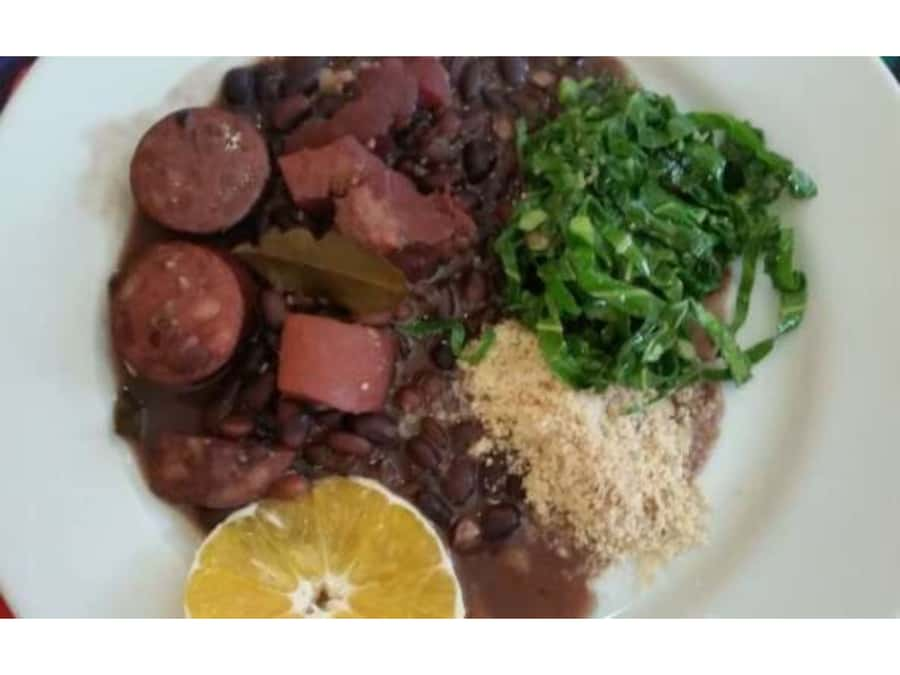
Saturday brings feijoada, the famous pork-and-bean dish. It is heavier and more filling than moqueca, with the slow-cooked character you expect from a bean-based meal. One useful tip is to choose Saturday if feijoada is high on your list. It is not available every day.
The schedule may limit your options. If your Rio plans fall on Tuesday, Thursday, or Sunday, the supplied details do not identify a class menu for those days. Check the available date before paying, especially if you have your heart set on one dish.
What You Prepare During the Class
The menu is broad for a single cooking session. The sample menu includes seven elements, although the inclusions describe five dishes and two drinks.
You begin with fried cheese served with spicy guava jam. This gives you an early lesson in the sweet and savory combinations common in Brazilian food. It is also a good small plate while the larger dishes are coming together.
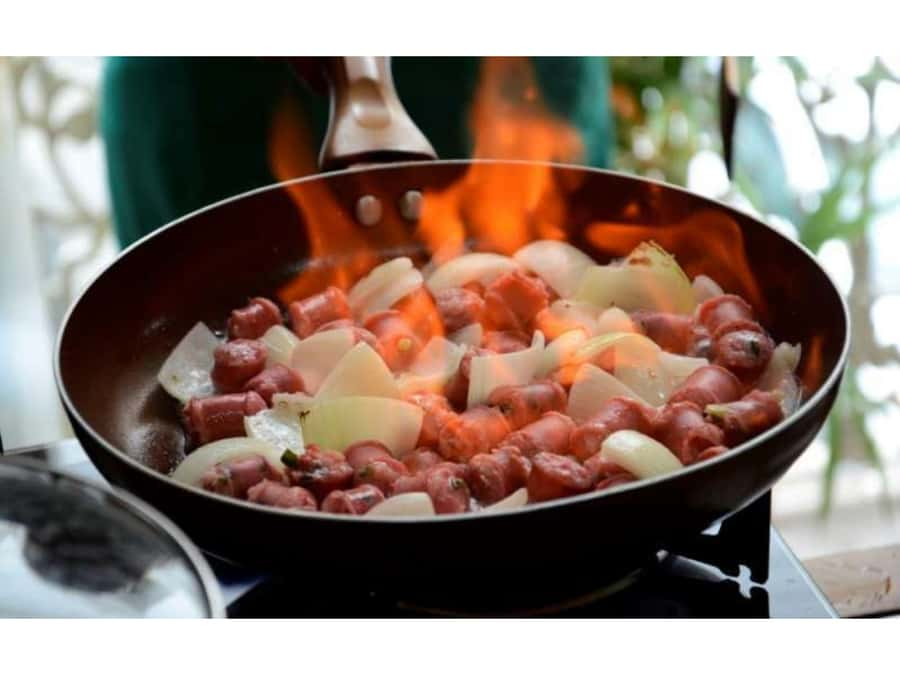
Next comes fried sausage in small pieces. The menu describes it as scrambled fried sausage slivers, a simple preparation that shows how a few ingredients can make a useful snack or starter.
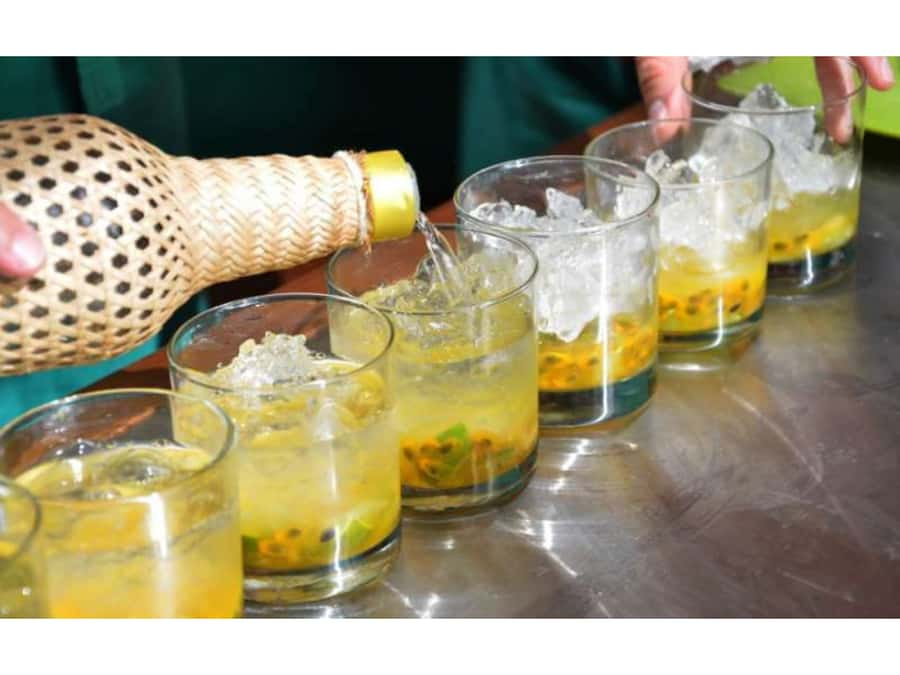
The drinks include a lime caipirinha and a batida de coco. The caipirinha brings lime and cachaça together in Brazil’s best-known cocktail. The coconut drink offers a softer, sweeter contrast. Both alcoholic drinks are included, so the class is more than a cooking lesson with water at the table.
Your main course is either feijoada or seafood moqueca. It is accompanied by cassava sticks, banana farofa, and flavored rice. Cassava is one of the most useful staples in Brazilian cooking, and farofa adds a dry, crumbly side made with cassava flour. The banana version gives that side a sweet note.
Dessert changes according to the fruit and sweets available. It may feature an exotic fruit, brigadeiro, or doce de leite. Since the final course is not fixed, you should expect a surprise rather than a specific dessert you can count on.
This variety is one of the class’s strengths. You are not spending three or four hours on a single dish. You get a quick tour through snacks, drinks, a main course, side dishes, and dessert.
A Small Class With Room for Questions
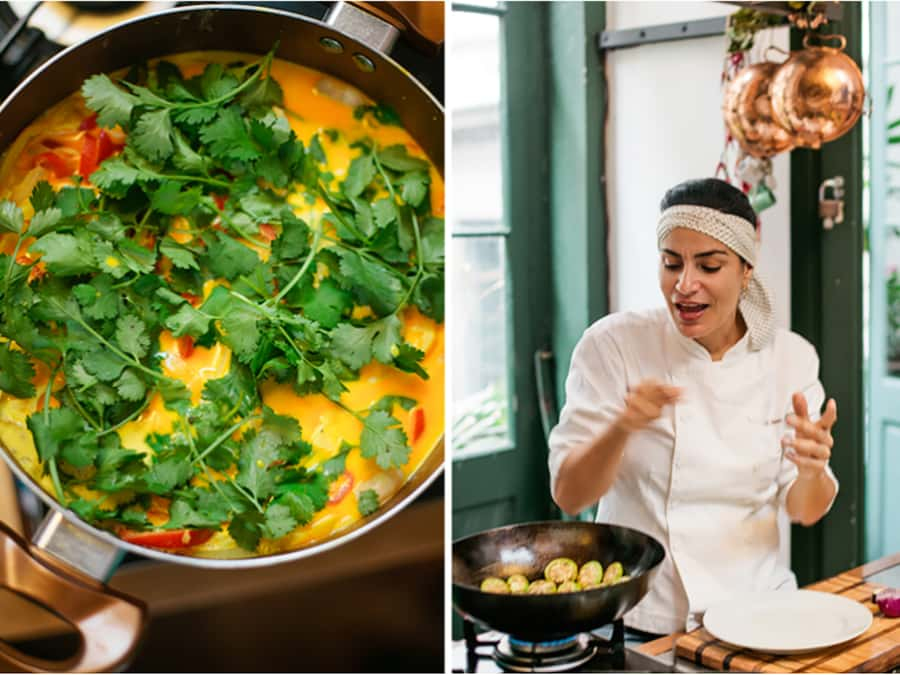
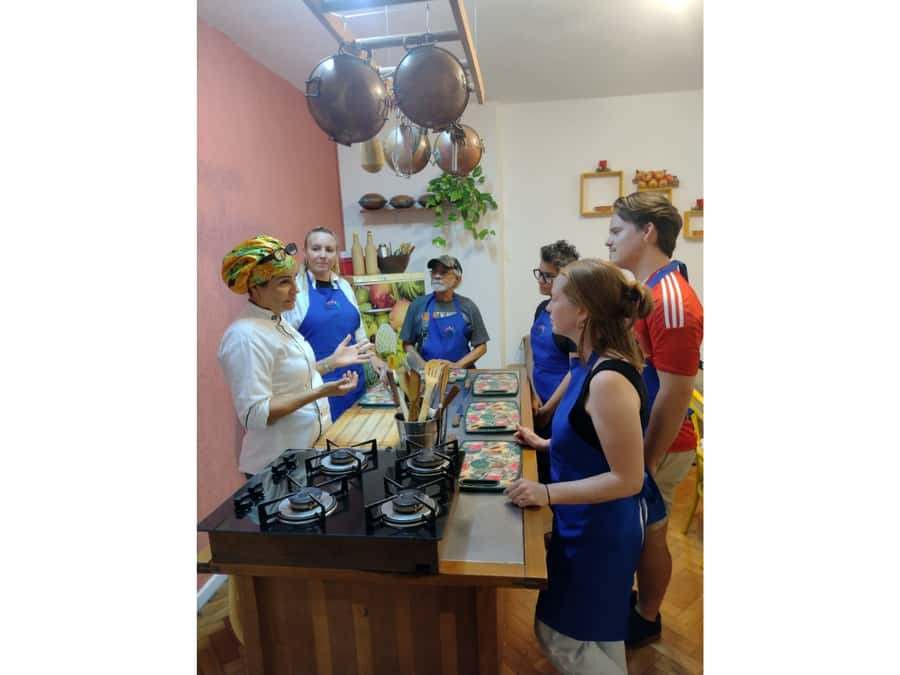
The maximum group size is seven people. That is small enough for a more personal class, especially when everyone is cooking at once.
A small group also matters when the chef is explaining unfamiliar ingredients. You can ask how to replace an item at home, when to add a component, or how to adjust a recipe. That kind of question is easy to lose in a large demonstration.
The activity is described as a private group experience, which can make it a good fit for families, couples, or friends who want to cook together. At the same time, the information also gives a maximum of seven participants, so confirm how your booking will be arranged if you are traveling alone or with a smaller party.
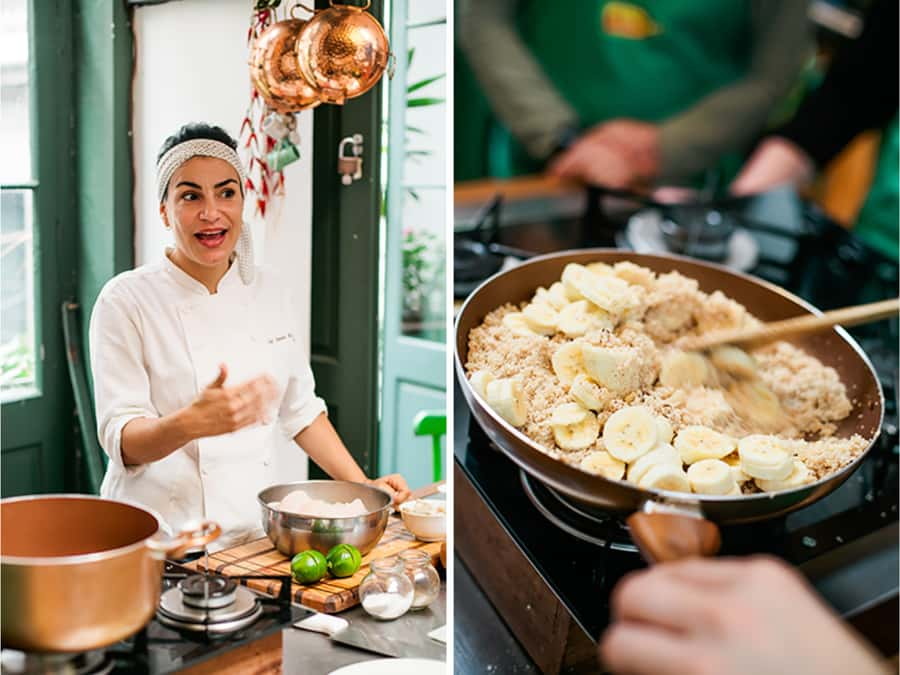
Chef Simone’s style is a major part of the experience. She is described as entertaining, friendly, attentive, and able to create a relaxed setting. In one session, her daughter assisted, adding to the feeling of a shared family kitchen rather than a formal culinary school.
That does not mean the class is unstructured. You still have a clear meal to prepare. The advantage is that the instruction seems personal rather than stiff.
Same city, a completely different kind of day:
- Rio de Janeiro: 6-Stop Highlights of Rio with Lunch
★ 4.4 · 5,157 reviews - Christ the Redeemer Entry Ticket by Corcovado Train
★ 4.4 · 4,476 reviews - Rio de Janeiro: Rocinha Favela Walking Tour with Local Guide
★ 4.8 · 3,052 reviews - Rio de Janeiro: Sugarloaf Cable Car Official Ticket
★ 4.6 · 2,873 reviews
The Meal at the End Is Part of the Lesson
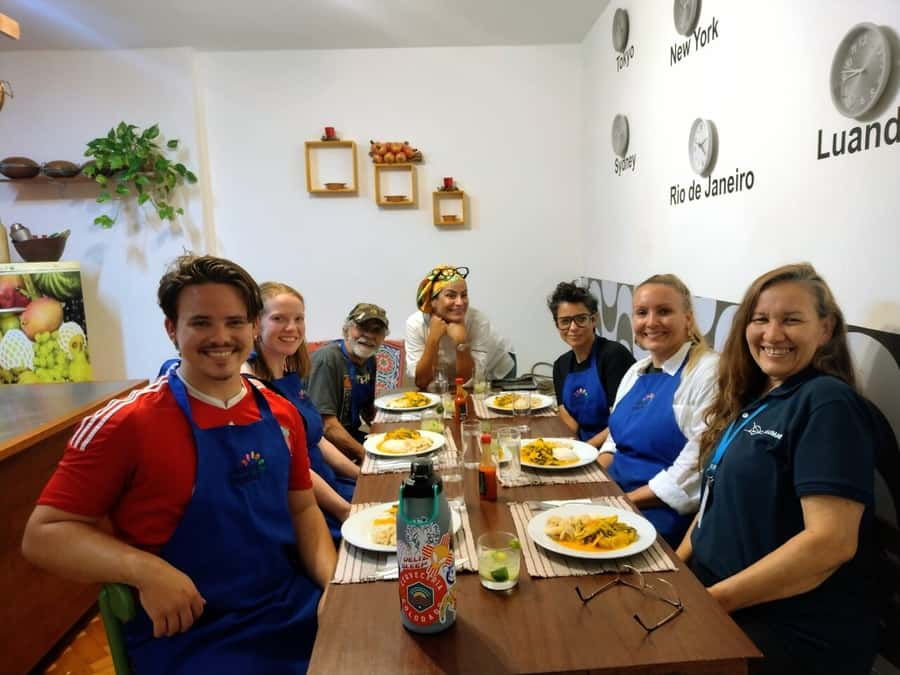
Once the cooking is done, you sit down with the chef and eat what you made. This is not just a reward. It is the point where you can judge the texture, balance, and seasoning of the dishes while the steps are still fresh in your mind.
The two alcoholic drinks are included, and the menu also refers to coconut drinks. Drink service helps turn the final meal into a social Brazilian food experience, but it is worth remembering if you do not drink alcohol. The supplied details do not list nonalcoholic substitutions.
The shared meal also gives you time to talk. Chef Simone can explain the background of the recipes and answer questions about Brazilian food and culture. A son-and-parent pairing once found the class especially welcoming, with the cooking and conversation feeling like time spent with friends. That social element may be just as important as the recipes for people who want a personal introduction to Rio.
Price, Timing, and What You Actually Get
The cost is $220 per person. That is a high price for a cooking class, so the value depends on what you want from it.
You are paying for instruction, all ingredients, cooking equipment, five dishes, two drinks, taxes, and handling charges. You also get a small group, a full meal, cultural conversation, and recipes that use ingredients available around the world. If you would otherwise book a premium private food experience and a separate dinner, the price becomes easier to justify.
If your main goal is simply to eat Brazilian food cheaply, this is not the right pick. A local restaurant will cost much less. The value here is in learning by doing and spending several hours with a native chef.
The timing needs attention. The main activity information states a duration of three hours, while the highlights describe a four-hour cooking class. The class includes several dishes, drinks, and a sit-down meal, so the longer description may reflect the full pace of the experience. Still, you should confirm the exact start time and expected end time before booking. This matters if you have a flight, a tour, or a dinner reservation afterward.
Transportation is not included. You need to reach the cooking studio in the Copacabana area on your own. No pickup or drop-off is provided.
The booking terms are fairly flexible. You can cancel up to 24 hours ahead for a full refund, and the reserve-now, pay-later option lets you hold a place without paying immediately. These terms are useful when your Rio schedule is still shifting.
Who Will Get the Most From This Class
I would recommend this experience to you if food is one of your main ways to understand a place. It works especially well for:
- Couples who want an evening activity with a meal built in
- Families with older children who enjoy active experiences
- First-time cooks who want clear guidance
- Experienced home cooks looking for Brazilian recipes
- People who want a small class rather than a large group demonstration
- Anyone deciding between feijoada and moqueca and wanting to learn how the dish is made
It may not suit you if you dislike seafood, beans, alcohol, or group cooking. The central menu is fixed by day, and the details do not promise substitutions. You should also think twice if $220 feels too high for a meal and lesson, even with drinks and equipment included.
The language choice is helpful. Chef Simone teaches in Portuguese, English, or Spanish, so you can select the language that lets you follow cooking instructions comfortably.
How to Choose Your Date
Book Monday, Wednesday, or Friday for seafood moqueca. Pick Saturday for feijoada. This is the most important planning detail.
If you are flexible, choose based on the dish you most want to learn. Moqueca gives you a seafood-focused class with a lighter main course. Feijoada makes more sense if you want one of Brazil’s most famous comfort foods and a heartier meal.
I would also avoid putting this class immediately before a tightly timed activity. The three-hour and four-hour descriptions do not match, and a cooking class with several courses naturally needs some breathing room. Give yourself extra time before your next commitment.
Check the language at booking as well. Portuguese, English, and Spanish are available, but you will want to select the language in which you can follow quick instructions around hot pans, drinks, and timing.
Should You Book It?
Book this class if you want to cook Brazilian food with Chef Simone, not simply sample it. The small group, full menu, two drinks, and sit-down meal make it a substantial food experience, and the recipes are practical enough to repeat at home.
The price is the clear question mark. At $220 per person, this is a special-occasion activity, not a budget meal. I would choose it for the personal instruction, the cultural conversation, and the chance to make either moqueca or feijoada from start to finish. Confirm the class length, choose your date around the menu, and arrange your own transport to Copacabana.
FAQ
How long does the cooking class last?
The activity details list the duration as three hours, while the highlights describe a four-hour cooking class. Confirm the exact timing when you choose your date.
Where does the cooking class take place?
The cooking studio is in the Copacabana area of Rio de Janeiro.
Which main dish is available on each day?
Seafood moqueca is offered on Mondays, Wednesdays, and Fridays. Pork-and-bean feijoada is offered on Saturdays.
How many people can join the class?
The class has a maximum of seven participants. It is also described as a private group experience.
Which languages does Chef Simone speak?
The class is available in Portuguese, English, and Spanish.
Do I need cooking experience?
No. The class is designed for both beginners and experienced cooks.
What food and drinks are included?
The menu includes fried cheese with spicy guava jam, fried sausage, either feijoada or seafood moqueca, cassava sticks, banana farofa, flavored rice, a changing dessert, a lime caipirinha, and a batida de coco drink. The inclusions describe five dishes and two drinks.
Is transportation included?
No. Pickup and drop-off are not included, so you must make your own way to the cooking studio.
Can I cancel the booking?
Yes. You can cancel up to 24 hours in advance for a full refund. A reserve-now, pay-later option is also available.
Just added around Rio De Janeiro
- Rio de Janeiro: Zip Lining and Canopy Tree Tour★ 3.3 · 6 reviews
- Vidigal Favela Tour★ 4.4 · 26 reviews
- Hang gliding flight in Rio de Janeiro★ 5.0 · 6 reviews
- Rio de Janeiro: Attend a Vasco da Gama game with local guide★ 4.8 · 9 reviews
- Unforgettable Boat Party★ 5.0 · 3 reviews
- Rio Highlights: Christ, Sugarloaf, and More in a Private Tour★ 5.0 · 36 reviews
- Tijuca Forest Hike – Waterfalls & Caves, Nature & Wild Life!★ 5.0 · 51 reviews
- Tijuca Forest w/ Chinese View,cascatinha Taunay,horto waterfall and parque laje★ 4.5 · 29 reviews
Workshops, compared.



Capoeira Class at Mestre Bimba’s 1st Ever School.
Read our review →
Surf lessons with local instructors in Copacabana/ipanema!
Read our review →Browse the lists this tour appears in