
Reviewed · MUSEUMS
Rio de Janeiro: Flamengo Museum Ticket Entrance
The Flamengo Museum puts you inside the story of Brazil’s most widely supported football club, beginning with rowing in 1895 and ending with the modern red-and-black sporting empire. I like the four-floor trophy room and the way 14 themed areas use screens, sound, and hands-on displays instead of relying only on old photographs.
I also like that the digital guide works in English, Spanish, and Portuguese, which makes the visit easier for international fans. The main drawback is simple: this ticket covers the museum only, not a tour of the Gávea headquarters, and the strict rules prohibit food, drinks, smoking, flash photography, and even sportswear.
Key points
- Four floors of trophies trace Flamengo’s rise from a rowing club to a major football force.
- Fourteen themed sections combine historic objects with giant screens and sensory rooms.
- A 1895 starting point gives the club’s football story a wider sporting context.
- Digital guidance in three languages lets you visit at your own pace.
- The red-and-black atmosphere is strongest in the emotional and interactive sections.
- The $18 ticket covers one day of museum entry, but not a Gávea tour, food, or drinks.
Flamengo’s story begins before football
The first thing to understand is that this is not only a football museum. Clube de Regatas do Flamengo began in 1895 as a rowing club, so the opening chapters take you back to a time before the team became one of Brazil’s best-known sporting names.
That wider beginning matters. It shows how Flamengo grew from a local sporting association into a club with idols and achievements across several sports. If you arrive expecting only match memories, the rowing origins may surprise you, but they give the museum a more complete shape.
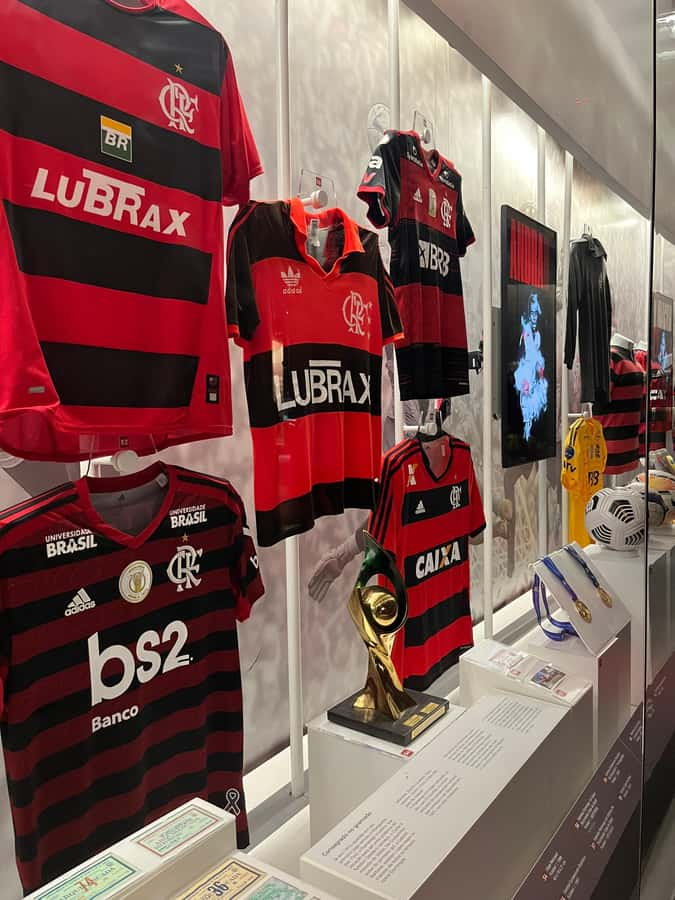
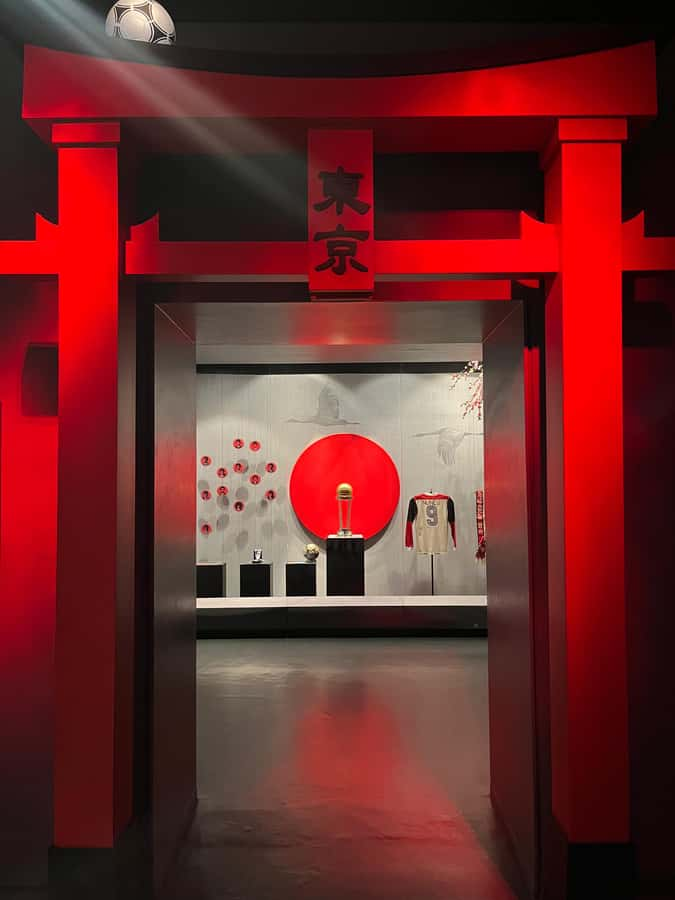
The collection follows the club’s long path toward football fame. Historic objects, club symbols, and visual displays help explain how the red-and-black identity became so important to supporters. One of the most praised parts of the visit is its attention to logos and the club’s changing visual history.
I would take a little time with those details. A crest can look like a small design choice, yet it often carries decades of memory for a club’s supporters. Here, the symbols help connect the early sporting club with the modern team you see today.
More Museum Tours in Rio de Janeiro
- Petrópolis Day Trip from Rio de Janeiro including Imperial Museum and Crystal Palace
★ 4.0 · 101 reviews - Olympic Boulevard, Museum of Tomorrow & Historical Rio
★ 4.5 · 66 reviews - Rio: Olympic Boulevard, AquaRio and Museum of Tomorrow Tour
★ 4.5 · 54 reviews
Four floors of trophies at Gávea
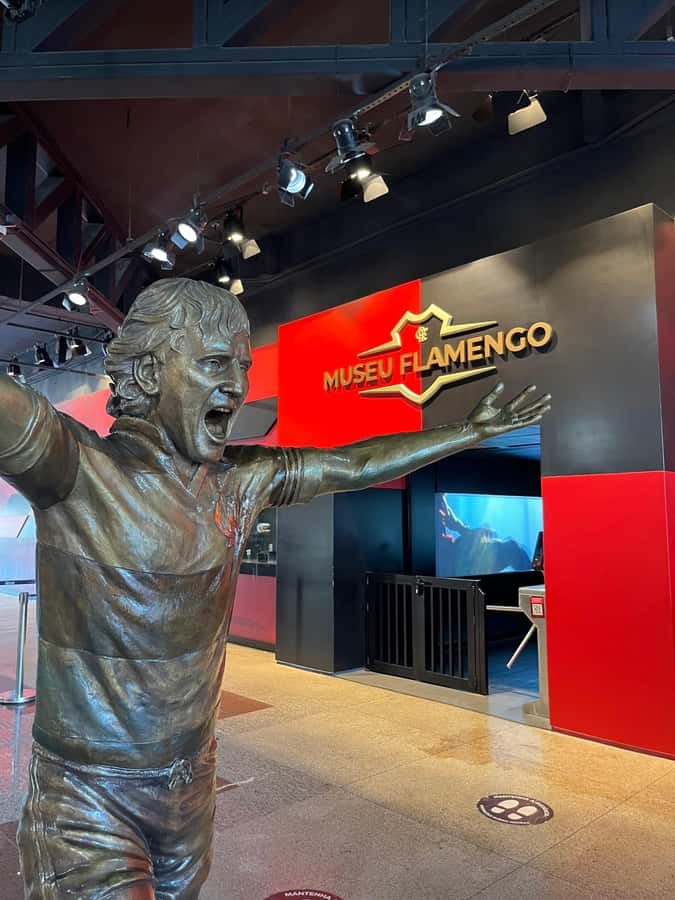
The trophy room is spread across four floors, giving the museum a strong vertical shape. You are not simply led past one long cabinet. Instead, the collection unfolds through several levels, helping the visit feel like a journey through different stages of Flamengo’s sporting life.
The exact objects that catch your attention will depend on your interests. Football fans will naturally focus on the major team achievements and links to famous players. Supporters of other sports can also find references to Flamengo idols beyond football, which reflects the club’s broader identity.
The size of the trophy display is useful for first-time visitors. Flamengo has a long story, and a small room would reduce that story to a few famous moments. Four floors give more room for context, symbols, and objects connected with the club’s past.
Still, this is not a quiet archive-style museum. The emphasis is on emotion and atmosphere as much as on written explanation. If you enjoy reading every label at a slow pace, the screens and sound-based features may compete for your attention. If you want the energy of a matchday experience, that same design is likely to suit you.
Fourteen themed sections with modern effects
The museum has 14 themed sections, each built around a part of Flamengo’s story. These areas combine technology, interactive features, and carefully preserved objects. Giant screens create a sense of scale, while sensory environments are designed to place you close to the club’s most memorable moments.
The strongest sections are likely to be the ones that make you feel connected to the supporters. The museum is built for a club with an enormous following, so it does not treat history as a dry list of dates. It aims to recreate some of the feeling attached to famous victories, great idols, and the red-and-black crowd.
I especially like this approach for families and younger football fans. A child who might lose interest in a case of medals can often stay focused when the same story is told through moving images, sound, and interactive space. Adults who already know Flamengo’s story may enjoy seeing familiar moments presented in a different format.
There is a tradeoff. These effects can make the visit feel dramatic, but they may leave less room for calm reflection. You will get the most from the museum if you treat it as an emotional sports experience rather than a formal history archive.
The red-and-black experience
The club’s atmosphere is the museum’s main draw. One section is described as a Rubro-Negro experience, using Flamengo’s red-and-black identity to make you feel part of the club’s support base. The goal is not just to show what happened, but to connect you with how those moments felt.
That approach explains why the visit receives such strong praise for its emotional impact. The museum is aimed at supporters, but you do not need to know every player or trophy to understand the central idea. Flamengo’s symbols, colors, crowd culture, and sporting memories do much of the work.
For a neutral football fan, this is also the place to observe how a major Brazilian club builds identity. You can see how a team becomes more than a name on a shirt. The museum shows the links between sporting success, visual symbols, famous figures, and the supporters who carry the club’s story forward.
If you are a committed Flamengo fan, expect the experience to land more strongly. You will recognize more of the faces and moments, and the interactive displays may trigger personal memories. The museum’s best quality is its ability to turn club history into something felt rather than simply read.
More museums and galleries in Rio De Janeiro:
- Rio: Olympic Boulevard, Museum of Tomorrow & History Tour
★ 4.1 · 47 reviews - Museum of Tomorrow Guided Tour, Admission & Transfer
★ 4.5 · 38 reviews - Rio: Museum of Tomorrow, Yup Star & Olympic Boulevard
★ 3.7 · 3 reviews - 7-Hour Shared Group Santos Tour : Mont Serrat, Coffee Museum and Sightseeing
★ 5.0 · 68 reviews
Historic objects and sporting idols
The collection includes historic objects and figures connected with Flamengo across several sports. That is important because the club’s identity did not appear overnight with football success. The museum keeps the rowing beginnings in view while also presenting the athletes and teams that shaped its later reputation.
Some visitors may come mainly for famous football memories and move quickly through the other material. I would resist doing that. The multi-sport story helps explain why Flamengo is treated as a major club rather than only a football team.
The objects are also useful because they provide a physical link to the past. Screens can show old images in a lively way, but a preserved item gives you something concrete to study. Details such as club marks, equipment, and historical designs can reveal how the organization changed over time.
The museum was developed by the same team responsible for sports museums connected with River Plate, Boca Juniors, Juventus, and Benfica. That background helps explain the polished use of technology and the focus on a strong emotional journey. It does not turn the museum into a neutral academic institution, but it does give the visit a professional sports-museum format.
What the digital guide adds
A digital guide is included, with Portuguese, English, and Spanish available. This is one of the most useful parts of the ticket for anyone who does not speak Portuguese.
You can use the guide to follow the club’s story without depending on a staff member to translate every display. It also lets you set your own pace. Spend longer with a favorite idol, move faster through a section that interests you less, or return to a display that deserves another look.
The activity information also lists Spanish, English, and Portuguese for instruction. No individual guide names are provided, so you should not expect a named personal guide or assume that a staff-led tour is part of the ticket. The core product is museum entry with digital support.
I would bring a charged phone, since the guide is digital. The museum asks you to keep your cell phone on airplane mode or silent, and flash photography is not allowed. You should also avoid filming or taking pictures with a flash, especially in the more visually sensitive sections.
The practical side of a Gávea visit
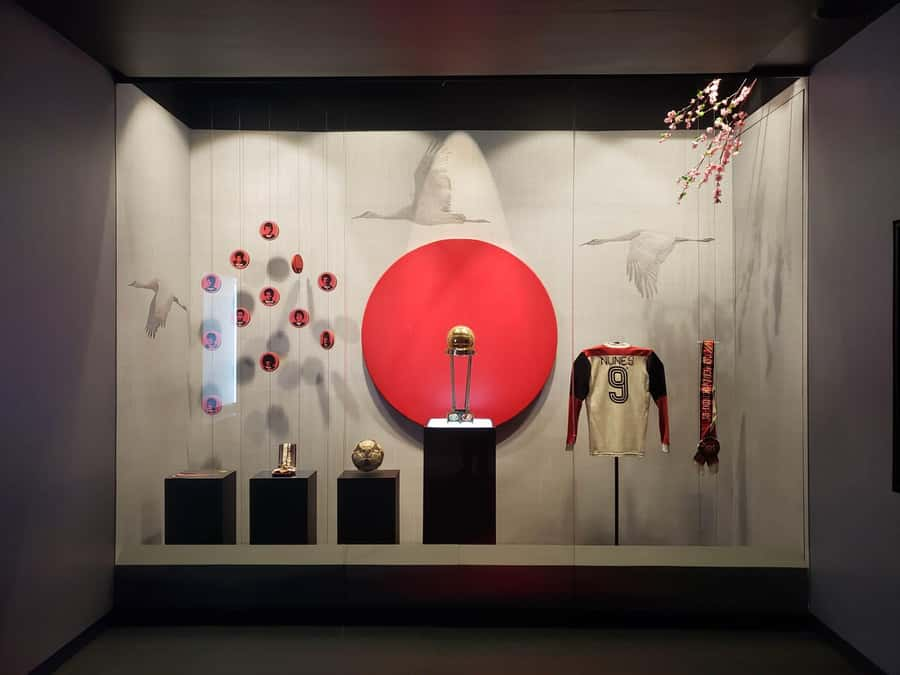
The museum is at Clube de Regatas do Flamengo’s headquarters in the Gávea neighborhood, south of Rio de Janeiro. The ticket is valid for one day, with the available starting times shown when you check the booking calendar.
That one-day validity gives you useful flexibility, but the information does not promise an all-day guided program. Plan it as a museum visit rather than a full-day tour. You can take your time inside, yet the ticket does not include a tour of Gávea itself.
This distinction matters. A football fan may expect to see every part of the headquarters, perhaps including areas connected with training or club operations. That is not included here. You are paying for access to the museum experience, not a broader stadium or club tour.
There is no food or drink included. More importantly, food and drinks are not allowed inside the museum. Smoking and vaping are also prohibited. Pets are not allowed, apart from assistance dogs, and the rules exclude weapons, sharp objects, glass items, plastic bags, scooters, and fire-making materials.
The dress rule deserves attention because it is unusual for a museum visit. Sportswear is listed as not allowed. You should check your clothing before setting out rather than assume that football clothing will be welcomed simply because the venue is a sports museum.
Unaccompanied minors are not allowed. If you are visiting with children, plan for an accompanying adult and keep the rules in mind. These restrictions may feel strict, but they help protect the collection and control the conditions around the interactive displays.
Is $18 good value?
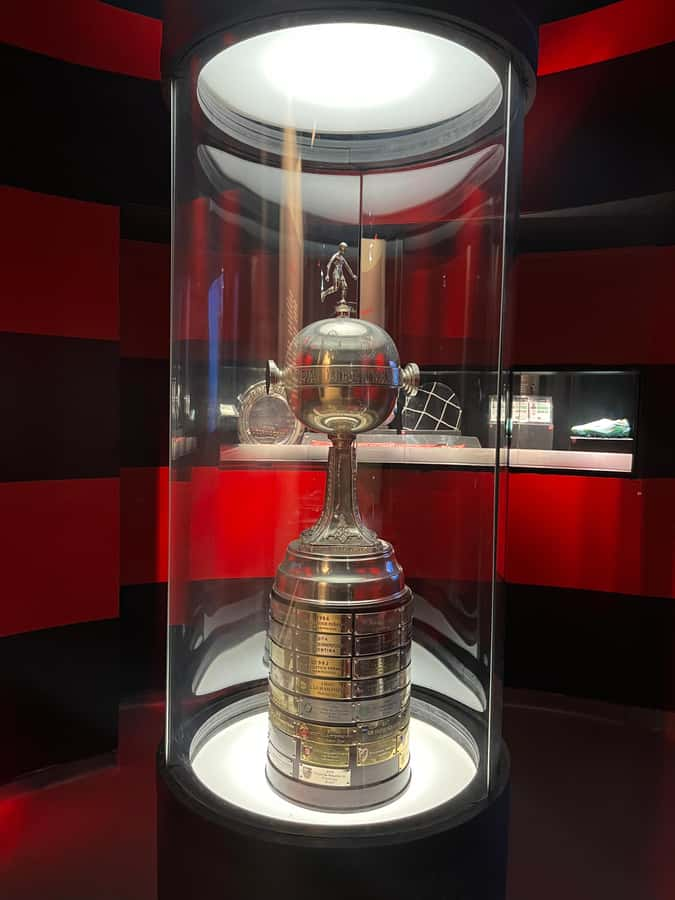
At $18 per person, this is priced as a specialist attraction rather than a casual free stop. The value depends on your interest in Flamengo and on how much you enjoy modern sports museums.
For a serious supporter, the price is easy to justify. You get four floors of trophies, 14 themed areas, historic objects, club idols, digital guidance, and an emotional presentation of more than a century of sporting history. The multilingual guide also adds practical value if Portuguese is not your first language.
For a general Rio sightseeing day, the calculation is less certain. If you know little about Flamengo and have limited time in the city, you may prefer sights that show more of Rio’s wider culture. This museum makes the most sense when football, Brazilian sport, or club identity is already part of your travel plan.
The included digital guide helps the ticket feel more useful than a simple admission charge. You are not limited to looking at objects without context. At the same time, food, drinks, and the Gávea tour cost extra or require separate planning, so the $18 price should be viewed as museum entry only.
Who will enjoy it most
I would recommend this experience first to Flamengo supporters, football fans, and anyone curious about how Brazilian clubs build a large public identity. The museum gives you a focused look at one club rather than a broad survey of Brazilian football.
It also suits visitors who prefer self-paced attractions. You are not tied to a named guide or a fixed walking route, and the digital material is available in three languages. That makes it easier to pause, move on, or spend time with the parts that matter most to you.
Families may like the screens and sensory settings, though children must not visit alone. Younger fans often respond well to moving images and interactive areas, while older supporters may care more about the trophies, logos, and historic objects.
This is less suitable for someone seeking a complete Gávea tour, a match ticket, food, or a quiet art-museum setting. It is also a poor fit if you want to photograph everything, since flash photography and filming are restricted.
Simple tips for a better visit
Plan your clothing carefully. Sportswear is listed among the prohibited items, which can catch football fans off guard. Wear something that meets the museum’s rules rather than arriving in a team kit or athletic outfit.
Keep your phone silent or on airplane mode. Do not use flash, and do not plan to film the displays. If you rely on the digital guide, charge your phone before arriving.
Give yourself time for both the famous football material and the earlier rowing story. The club’s origins are part of what makes the museum more interesting than a collection of match trophies.
Finally, do not count on buying food or drinks inside. Neither is included, and both are prohibited in the museum. Club products may be available, which can be a useful extra for supporters who want a Flamengo souvenir, but purchases are separate from admission.
Should you book the Flamengo Museum?
Book it if you want a close look at Flamengo’s identity, trophies, symbols, and emotional sporting memories. The combination of four floors, 14 themed areas, digital guidance, and modern visual effects gives the $18 ticket solid value for fans.
Skip it if your priority is a full Gávea headquarters tour, casual sightseeing, or a venue where you can eat, drink, and take unrestricted photographs. The rules are firm, and the experience is focused.
For the right visitor, this is more than a cabinet of medals. It is a carefully designed introduction to why Flamengo matters to so many people in Brazil. Go with an interest in the club’s story, follow the early rowing chapters, and allow time for the red-and-black displays to do their work.
FAQ
Where is the Flamengo Museum located?
The museum is at the headquarters of Clube de Regatas do Flamengo in the Gávea neighborhood, south of Rio de Janeiro.
How much does admission cost?
The listed price is $18 per person.
How long is the ticket valid?
The ticket is valid for one day. Starting times depend on availability when you check the booking calendar.
Is a digital guide included?
Yes. A digital guide is included in Portuguese, English, and Spanish.
Does the ticket include a tour of Gávea?
No. The ticket includes museum entry, but a tour of Gávea is not included.
Can I cancel the booking?
Yes. You can cancel up to 24 hours in advance for a full refund.
What items and activities are prohibited?
Food, drinks, smoking, vaping, pets apart from assistance dogs, weapons, sharp objects, glass items, plastic bags, scooters, and fire-making materials are not allowed. Sportswear and unaccompanied minors are also prohibited. Flash photography and filming are not allowed, and your phone should be on airplane mode or silent.
Just added around Rio De Janeiro
- Rio de Janeiro: Zip Lining and Canopy Tree Tour★ 3.3 · 6 reviews
- Vidigal Favela Tour★ 4.4 · 26 reviews
- Hang gliding flight in Rio de Janeiro★ 5.0 · 6 reviews
- Rio de Janeiro: Attend a Vasco da Gama game with local guide★ 4.8 · 9 reviews
- Unforgettable Boat Party★ 5.0 · 3 reviews
- Rio Highlights: Christ, Sugarloaf, and More in a Private Tour★ 5.0 · 36 reviews
- Tijuca Forest Hike – Waterfalls & Caves, Nature & Wild Life!★ 5.0 · 51 reviews
- Tijuca Forest w/ Chinese View,cascatinha Taunay,horto waterfall and parque laje★ 4.5 · 29 reviews
Museums, compared.
Petrópolis Day Trip from Rio de Janeiro including Imperial Museum and Crystal Palace
Read our review →
7-Hour Shared Group Santos Tour : Mont Serrat, Coffee Museum and Sightseeing
Read our review →
Olympic Boulevard, Museum of Tomorrow & Historical Rio
Read our review →
Olympic Boulevard, AquaRio and Museum of Tomorrow Tour
Read our review →
Olympic Boulevard, Museum of Tomorrow & History Tour
Read our review →
Official Ticket: Oceanographic Museum Univali – Piçarras – SC
Read our review →
Petrópolis Trip with Palace, Imperial Museum & Brewery
Read our review →
Museum of Tomorrow Guided Tour, Admission & Transfer
Read our review →Browse the lists this tour appears in