
Reviewed · WALKING TOURS
São Paulo: Downtown Walking Tour with Farol Santander Entry
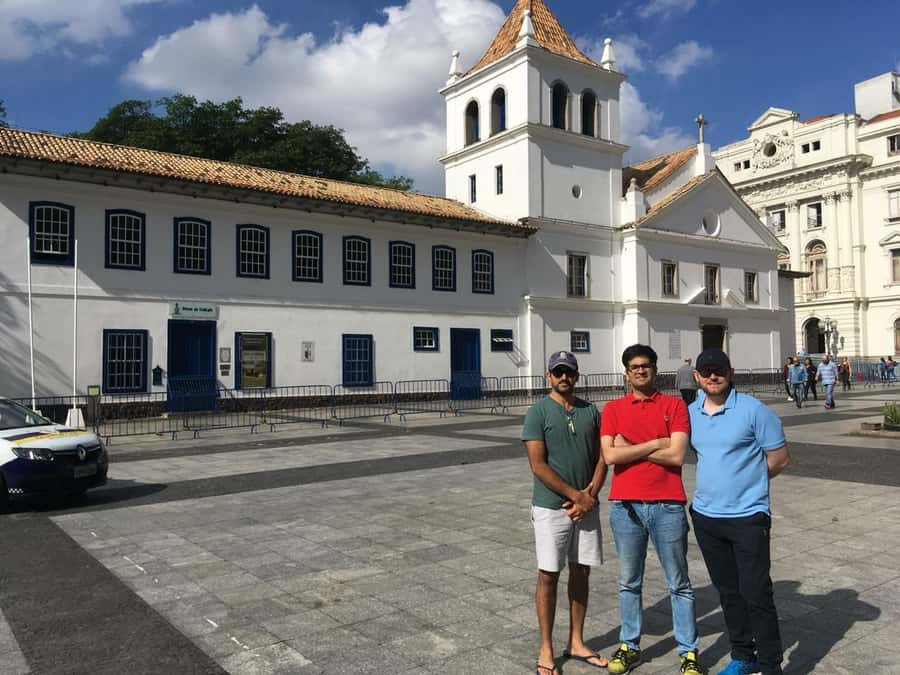
São Paulo’s historic center makes the most sense when someone connects the buildings to the forces that built the city. This private three-hour walk begins at Pátio do Colégio, passes Sé Cathedral and the old law school, then finishes high above the streets at Farol Santander.
I like the way the route covers a lot without wasting time on transfers, and I like the balance between history and city views. You get coffee-era economic history, major civic buildings, and a proper look at the skyline from the observation deck. The drawback is simple: three hours on foot can feel brisk, especially if you want long visits inside every building.
Key points to know before you book
- Pátio do Colégio starts the story: Learn how São Paulo’s historic center grew from its earliest settlement.
- Sé Cathedral anchors the walk: See one of the city’s best-known landmarks at Sé Square.
- Coffee explains the money: Your guide connects coffee wealth with São Paulo’s rapid economic growth.
- Farol Santander adds the payoff: Entry to the observation deck is included, giving you a broad view over the center.
- Private guiding keeps the pace flexible: The tour operates for a private group in English, Spanish, or Portuguese.
- The route is made for walkers: Wear comfortable shoes, bring sun protection, and prepare for all weather.
Why this three-hour walk works
São Paulo can be hard to read at street level. It is enormous, modern, and fast-moving, yet many of its key turning points are packed into the old center. This route gives you a useful framework in a short time, linking religious sites, government buildings, law, finance, and culture.
The experience begins at Pátio do Colégio, at Praça Pateo do Collegio, 2. The meeting point is within walking distance of both Sé and São Bento metro stations, which makes it practical if you are already exploring the center by public transport.
The private format matters here. You are not being herded between distant districts. You can ask questions as the guide explains how different communities helped shape the city, and you may have more room to pause for photographs or a quick snack. The stated languages are English, Spanish, and Portuguese.
One verified booking from June 14, 2023 rated the experience four out of five and praised the chance to cover the historic center in a short time. That is the tour’s clearest strength. It is an efficient introduction, not a slow architectural study.
More Walking Tours in São Paulo
- Sao Paulo: Downtown-Center History Walking Tour – in English
★ 5.0 · 91 reviews - Sao Paulo: Downtown-Center Walking Tour | 2 Hours – English
★ 4.9 · 84 reviews - Ecological walk in sao paulo
★ 5.0 · 61 reviews
Pátio do Colégio and the first chapter of São Paulo
Pátio do Colégio is a fitting place to begin because the guide first gives you the historical background needed for the rest of the walk. You are not simply looking at old façades. You are starting with the place from which the city’s central story is explained.
Allow yourself a few minutes to get oriented before setting off. The early commentary is important because the later stops make more sense once you understand why this area became the center of civic, religious, and commercial life.
The tour also places São Paulo’s rise in a wider social context. Different communities contributed to the city’s development, and the guide’s job is to show how those contributions fit together rather than reducing the story to one group or one industry.
Manor of the Marchioness of Santos and Sé Cathedral
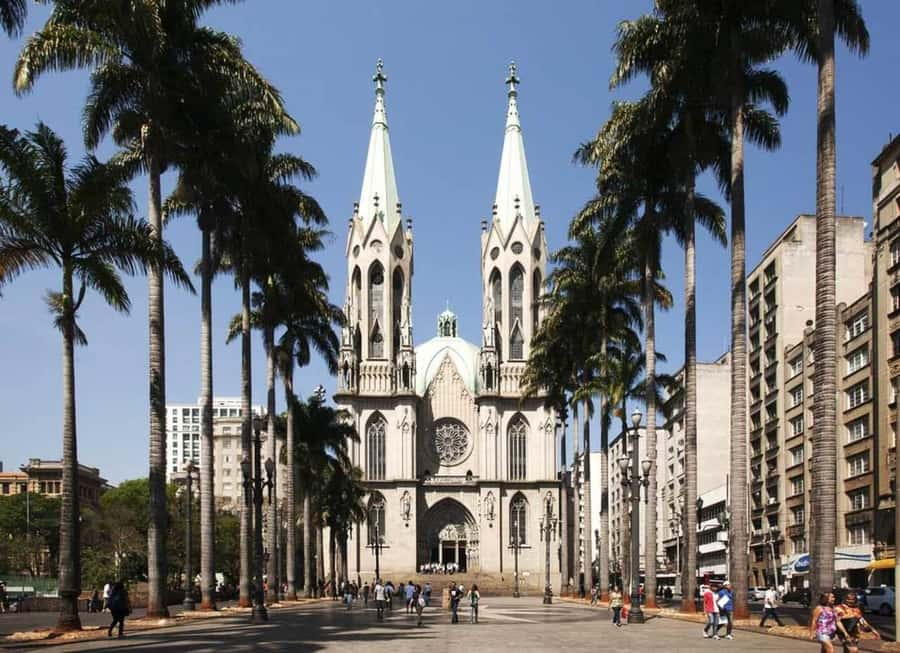
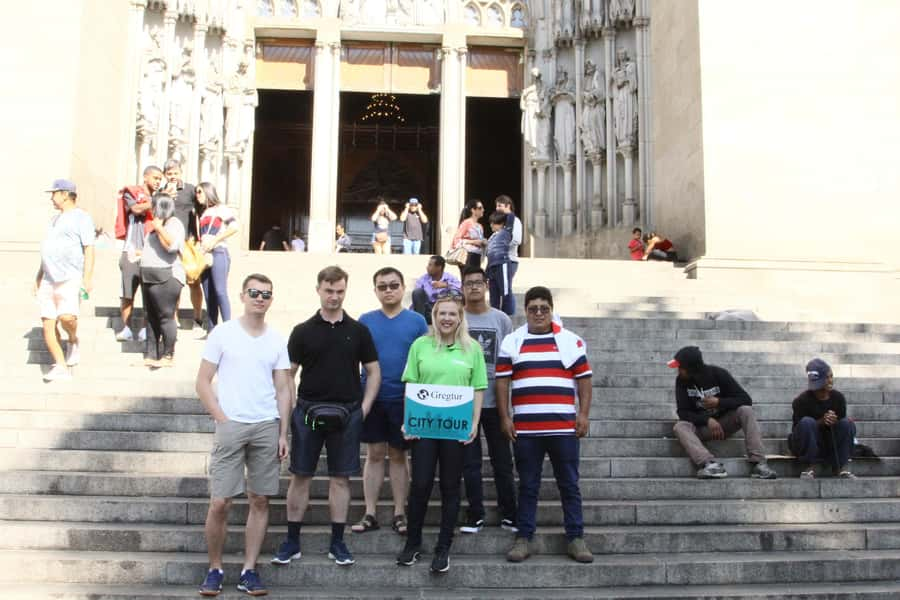
The next section takes you to the Manor of the Marchioness of Santos, followed by Sé Cathedral and Sé Square. These stops bring together private power, public religion, and the daily life of the historic center.
Sé Cathedral is one of the major visual moments of the tour. Its scale gives you a strong sense of the importance once attached to this part of town. At Sé Square, the setting helps you understand how religious landmarks and public space worked together in the old center.
The route is more about context than a long interior visit. If you want to study every architectural detail or spend quiet time inside the cathedral, ask the guide how much time is available. The overall schedule has many stops, so the walking tour favors breadth.
This is also a good place for photographs, but keep your belongings secure and stay attentive to the group. The tour takes place in central São Paulo, not in a closed museum setting.
Law, trade, and the institutions that built the city
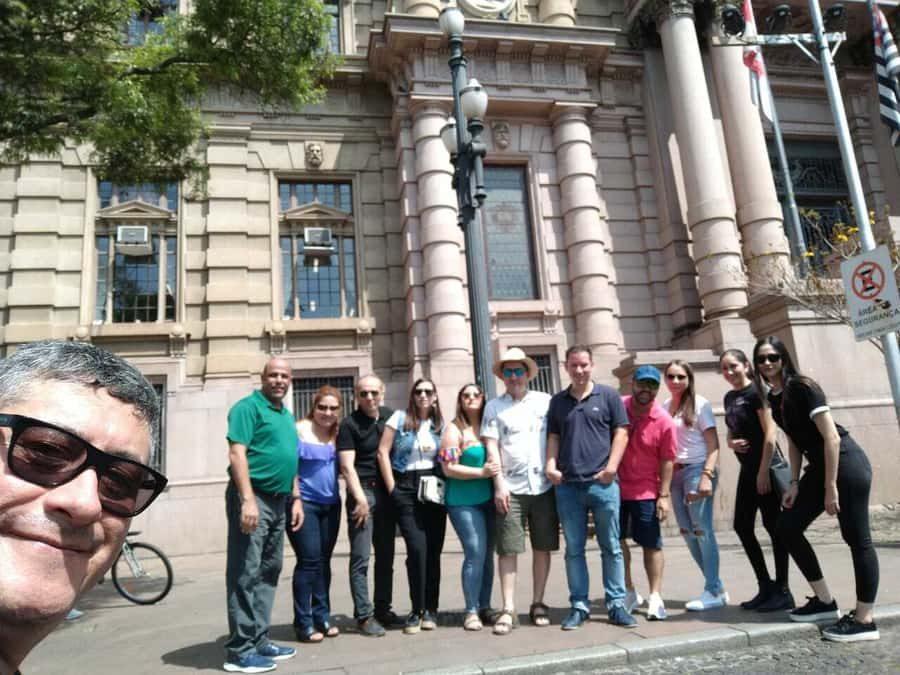
The walk continues to Largo São Francisco Law School and FECAP, the Fundação Escola de Comércio Álvares Penteado. These stops add an important layer that is easy to miss when you only focus on churches and grand façades.
The law school points to the role of education, law, and public life in São Paulo’s growth. FECAP brings commerce and business training into the picture. Together, they show that the city’s development was not driven by coffee alone. Schools, professional institutions, and commercial networks helped turn new wealth into lasting economic power.
I find this part especially useful if you want more than a postcard tour. A guide can point out how the city’s institutions reflect its changing ambitions. São Paulo was becoming a place of finance, education, government, and trade, not just a regional settlement.
Same city, a completely different kind of day:
- São Paulo: Main City Sights in 7 Hours – Shared Group Tour
★ 4.9 · 587 reviews - São Paulo: City Highlights Guided Tour
★ 4.5 · 307 reviews - Private São Paulo City Tour
★ 4.8 · 264 reviews - São Paulo: Downtown Historical Bike Tour
★ 4.9 · 191 reviews
Coffee money and São Paulo’s rapid rise
Coffee is one of the central subjects of the walk. Your guide explains how it became the main force behind São Paulo’s economic progress, helping the city grow into the largest in the Southern Hemisphere.
The value here is the connection between an everyday product and the buildings around you. Coffee wealth helped create demand for finance, transport, banking, education, and grand public architecture. As you move through the center, the story becomes visible in the institutions and commercial buildings that followed.
The tour does not present São Paulo’s growth as a single neat story. It also highlights the importance of different communities to the city’s development. That broader view matters because the city’s rise depended on many kinds of work, movement, and investment.
If economic history normally feels dry, the walking format helps. You are hearing the story while looking at the places where its effects appeared. That makes the subject easier to follow than a detached lecture.
Banco do Brasil Cultural Center and a useful pause
The route then reaches the Banco do Brasil Cultural Center. You make a quick stop here, with time to use the toilets or buy a drink before continuing.
This pause is practical, especially because the walk is compact and active. It is not described as a long cultural program, so do not book this tour expecting an extended exhibition visit. Think of it as a useful stop within the larger route.
You may also have chances along the way to take pictures, explore briefly, buy a snack, or look for a souvenir. Those small breaks keep the pace from feeling like one continuous march, but the guide still needs to maintain the schedule.
Bring water or plan to buy a drink at the stop. Meals are not included, and the experience does not provide food.
The Stock Exchange and São Paulo’s business center
From the cultural center, you continue toward the Stock Exchange. This is where the economic story becomes even more direct.
The Stock Exchange helps explain the city’s financial identity. Coffee profits did not remain only in farms and export businesses. They helped create a market for investment and commercial growth, which in turn changed the shape of the center.
For you, the main benefit is seeing how the city’s public architecture reflects its business history. The route makes the point through places rather than abstract dates and statistics.
The Stock Exchange is also one of several locations where your guide can help you connect past and present. São Paulo’s center contains traces of different eras side by side, and a good explanation prevents the route from becoming a list of unrelated buildings.
Altino Arantes and Farol Santander’s observation deck
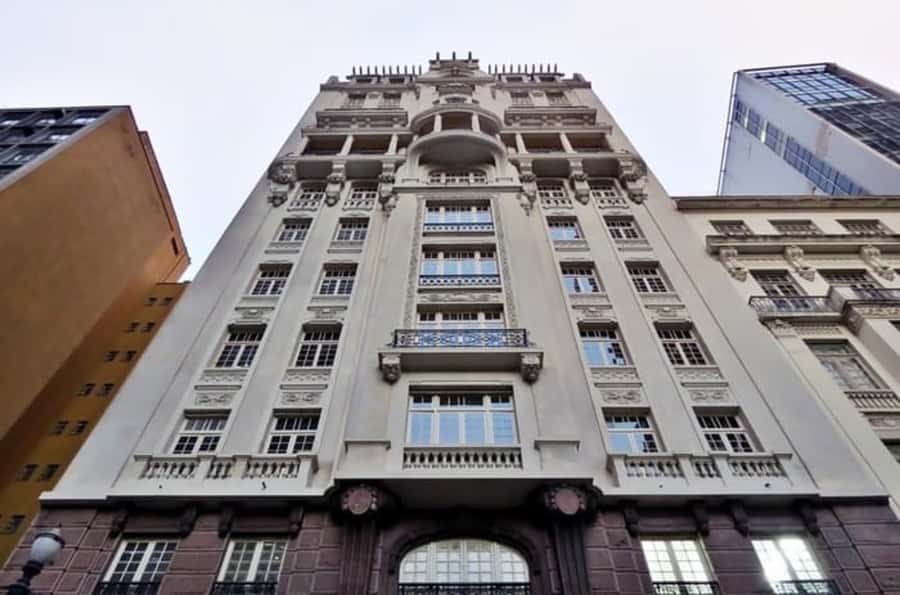
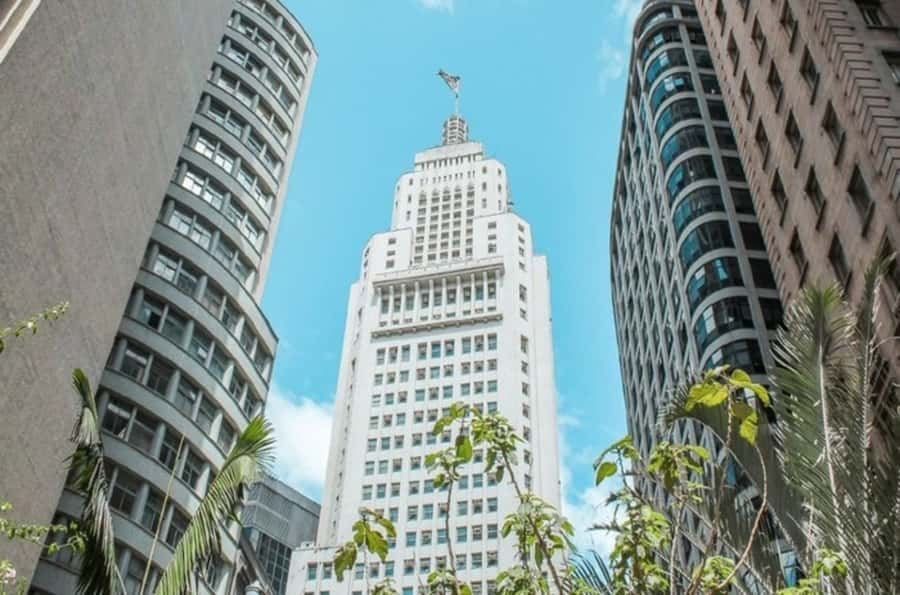
The high point of the tour is the Altino Arantes building, also known as Farol Santander. Entry to the observation deck is included, so this is not just an exterior photo stop.
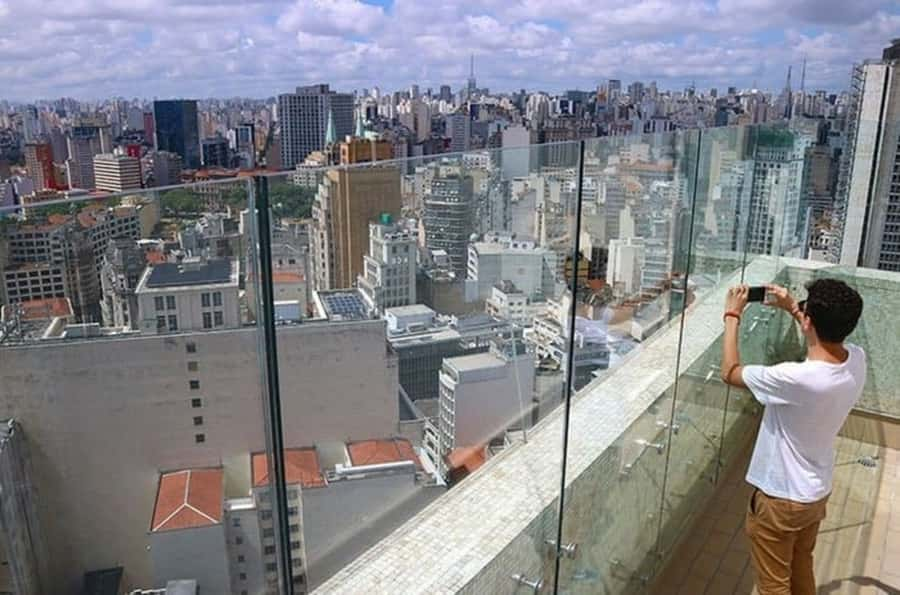
From above, you get a broader view of central São Paulo. After walking among churches, schools, banks, and civic buildings, the skyline gives you a useful sense of scale. The city’s size is easier to grasp from a high viewpoint than from street level.
This is the part that gives the tour a clear finish. The earlier stops explain how São Paulo grew, while the observation deck lets you see the result. Bring sunglasses if the day is bright, and keep your phone or camera ready for city views.
The attraction also helps justify part of the $115 price, since admission is included and the tour combines it with a private guide. Still, value depends on how much you want personal interpretation. If you only want access to the observation deck, a walking tour may be more than you need. If you want the historic center explained in a compact route, the combination is more useful.
Martinelli, Benedictine Monastery, and other landmarks
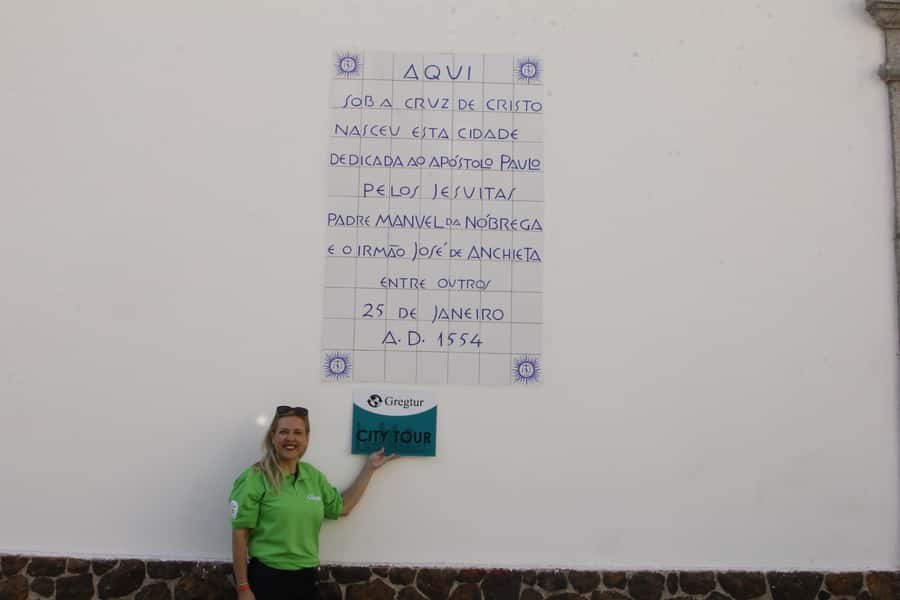
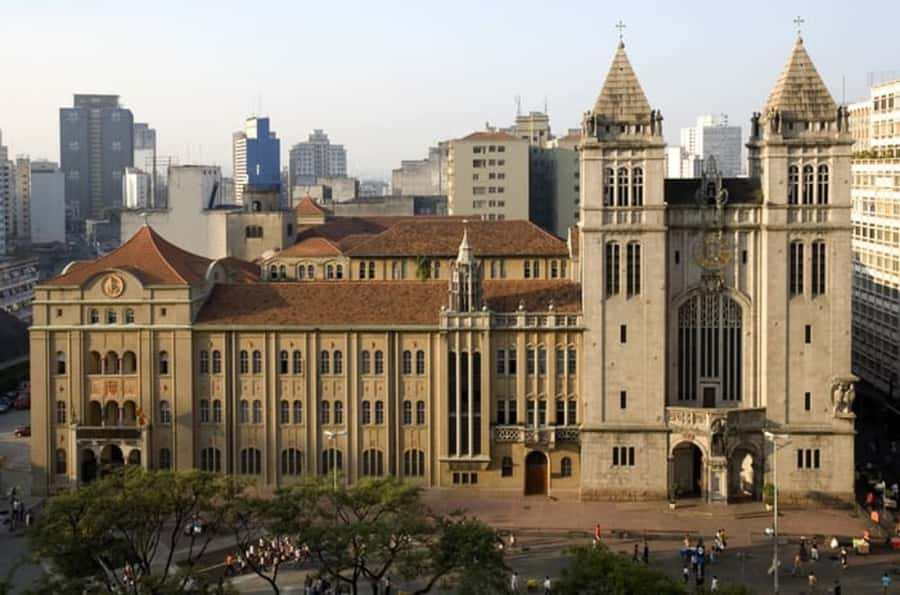
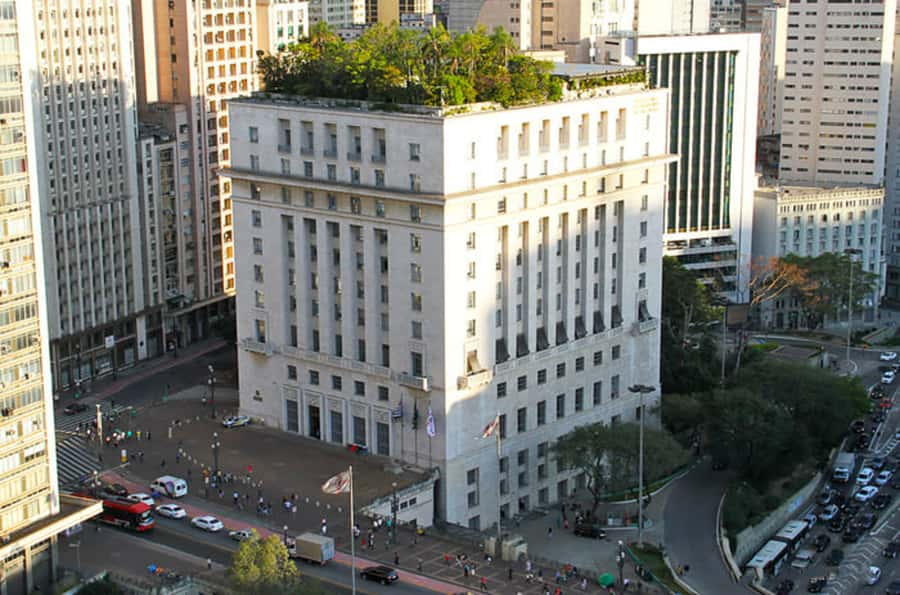
The walk also passes the Martinelli building, the Monastery of Saint Benedict, the Sampaio Moreira building, and City Hall. These may be passing points rather than long interior visits, so keep your expectations clear.
The Martinelli building adds another important marker of São Paulo’s vertical and commercial growth. The Monastery of Saint Benedict brings the religious side of the city back into view. Sampaio Moreira and City Hall broaden the picture again, showing how civic buildings helped define the center.
These stops are valuable because they fill the gaps between the main visits. You see how religious, commercial, and government architecture share the same compact area. You also get more chances to stop for photographs as the route moves along.
Because the tour covers so many landmarks, you should not expect a long guided session at each one. The guide will likely keep the route moving, with short explanations and pauses. That is a benefit if your time is limited, but a limitation if you prefer a slow, detailed architecture tour.
Finishing at the Municipal Theater
The final stop is the Municipal Theater, where you can admire its architecture. Ending here gives the walk a strong visual finish and places you near another major cultural landmark in the center.
The theater also rounds out the story. You begin with the city’s early historical setting and finish with a grand public building linked to São Paulo’s cultural ambitions. The route has moved from foundation and religion through law, commerce, finance, and government to the arts.
At the end, you will have covered a large section of the historic center. The short booking feedback describing the tour as a good way to see a lot in limited time fits this design exactly.
Price, pace, and practical comfort
At $115 per person, this is not a bargain-priced independent walk. You are paying for a private group, a live guide, a three-hour route, and entry to Farol Santander’s observation deck. The price makes the most sense if you value questions, language choice, and a focused introduction rather than simply following a map.
The tour is wheelchair accessible, which is useful information for planning. The route still takes place outdoors and includes substantial walking, so discuss your needs with the operator when booking if you require a particular pace or assistance.
It operates in all weather. Wear comfortable walking shoes, bring sunscreen and sunglasses, and dress for changing conditions. There are stops for pictures, exploration, snacks, and a little souvenir shopping, but meals and drinks are not included.
You can cancel up to 24 hours in advance for a full refund, and you can reserve now and pay later. Those policies reduce the risk of booking ahead, especially when your plans in São Paulo are still changing.
Who should book this São Paulo walk?
I would choose this experience if you are visiting São Paulo for the first time, have only a few hours in the center, or want the historic district explained in plain language. It is also a good match if you enjoy seeing how money, religion, education, and government shape a city.
The private format suits people who prefer questions and a more personal pace. The English, Spanish, and Portuguese options make it easier to choose a guide who can explain the details comfortably.
I would look elsewhere if you want a full-day historical program, long museum visits, or a food-focused experience. The itinerary covers many sites, but several are viewed from outside or passed on the way. The tour is strongest as a concentrated orientation to central São Paulo.
Should you book it?
Book it if you want to cover the main historic sights quickly and understand why coffee, commerce, and many communities helped create modern São Paulo. The included Farol Santander observation deck adds a memorable view and gives the three-hour route a logical payoff.
Skip it if you dislike walking, prefer to linger at one landmark, or mainly want independent access to the city’s buildings. For most first-time visitors with limited time, the private guide and tightly connected route make the $115 cost reasonable, provided you come prepared for an active morning or afternoon outdoors.
FAQ
How long does the tour last?
The tour lasts three hours.
Where does the tour begin?
It begins at Pátio do Colégio, Praça Pateo do Collegio, 2, in São Paulo’s historic center.
Is the meeting point close to public transportation?
Yes. Pátio do Colégio is within walking distance of the Sé and São Bento metro stations.
What languages are available?
The live guide is available in English, Spanish, and Portuguese.
Is Farol Santander admission included?
Yes. Entry to the Farol Santander observation deck is included.
Is the tour private?
Yes. It operates for a private group.
Are meals and drinks included?
No. Meals and drinks are not included, though the route includes a stop where you can buy a drink and use the toilets.
What should I bring?
Wear comfortable walking shoes and bring sunscreen and sunglasses. The tour operates in all weather, so dress appropriately.
Just added around Sao Paulo
- REIKI – Crystal Therapy – by Venus’ Secret Spa – San Francisco★ 5.0 · 41 reviews
- Art Of Wine – Travel Through The So-Called Wine Route Visiting Various Wineries★ 5.0 · 40 reviews
- Terraço Italia Restaurant experience★ 4.5 · 43 reviews
- Private Tour: São Paulo’s Top Attractions–6 Hours, Hotel/Airport★ 5.0 · 50 reviews
- Private Half-Day Guided Tour to São Paulo★ 5.0 · 50 reviews
- Downtown Photo Tour★ 5.0 · 45 reviews
- Full Day Private Beach Tour Santos & Guarujá – Combine Culture, History & Beach★ 5.0 · 37 reviews
- Private Street Art Tour of São Paulo with Batman´s Alley Visit★ 5.0 · 30 reviews
Walking Tours, compared.

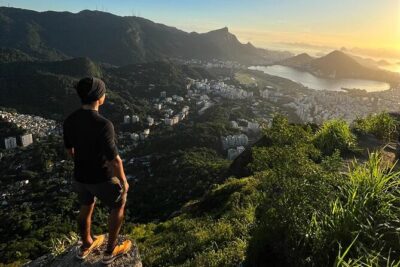
Sunrise and Sunrise Walk Two Brothers with Local Guide
Read our review →
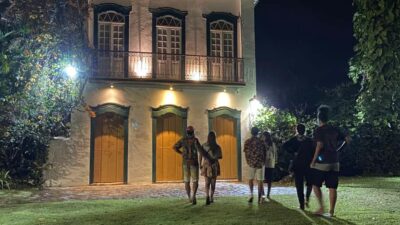
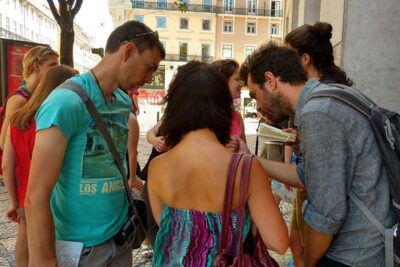
Downtown-Center History Walking Tour – in English
Read our review →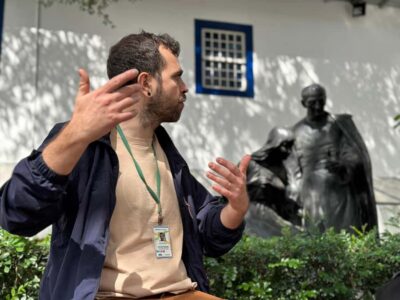
Downtown-Center Walking Tour | 2 Hours – English
Read our review →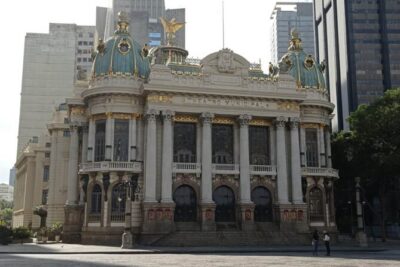
Learn the History of Rio with an Unforgettable City Center Walking Tour
Read our review →
Rio’s city walking tour: a glimpse of history and olympic legacy
Read our review →Browse the lists this tour appears in