
Reviewed · WALKING TOURS
São Paulo: Paulista Avenue Walking Tour
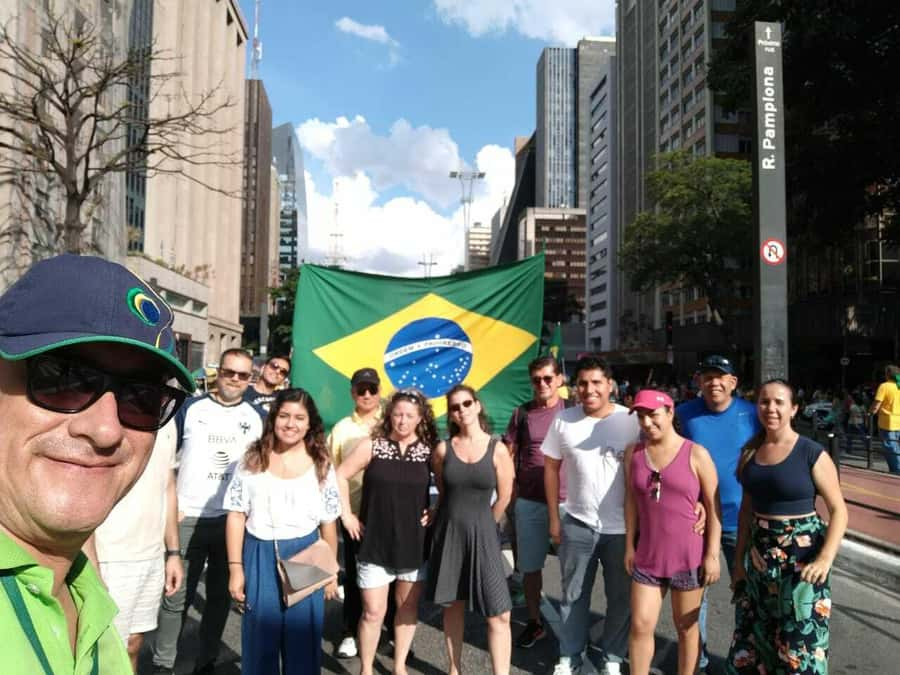
Paulista Avenue is São Paulo in a single long walk: grand cultural buildings, street art, old mansions, hospitals, bookstores, and busy city viewpoints all line one of Brazil’s best-known avenues. This private three-hour tour covers 18 sights, giving you a useful map of the area before you explore it on your own.
I like the steady pace and the number of short stops, especially for photos and small breaks. I also like that guides such as Renato, Doris, Laura, and Ilan have focused on the story behind the buildings, not just their names. The main consideration is simple: museum interiors are not part of the tour, and the $100 price is easier to justify for a private group than for a solo visitor.
Key points of the Paulista Avenue walk
- 18 landmarks in three hours: Cover the avenue’s major cultural, historic, and architectural sights without rushing from one end to the other.
- A private guide in three languages: Choose English, Spanish, or Portuguese, with guides including Renato, Doris, Laura, and Ilan named in the tour’s recent feedback.
- A strong first-day activity: The walk helps you get your bearings and decide which museums, parks, shops, or viewpoints deserve a second visit.
- Street art beside major institutions: See Eduardo Kobra’s murals near places such as MASP, Itaú Cultural, and the FIESP Building.
- Stops beyond the famous postcard sights: Casa das Rosas, a historic residence, the Pasteur Institute, and Alameda Ministro Rocha Azevedo add texture to the route.
- Accessible, all-weather planning: The tour is wheelchair accessible, operates in all weather, and calls for comfortable shoes, sunscreen, and sunglasses.
Starting at Japan House on Paulista Avenue
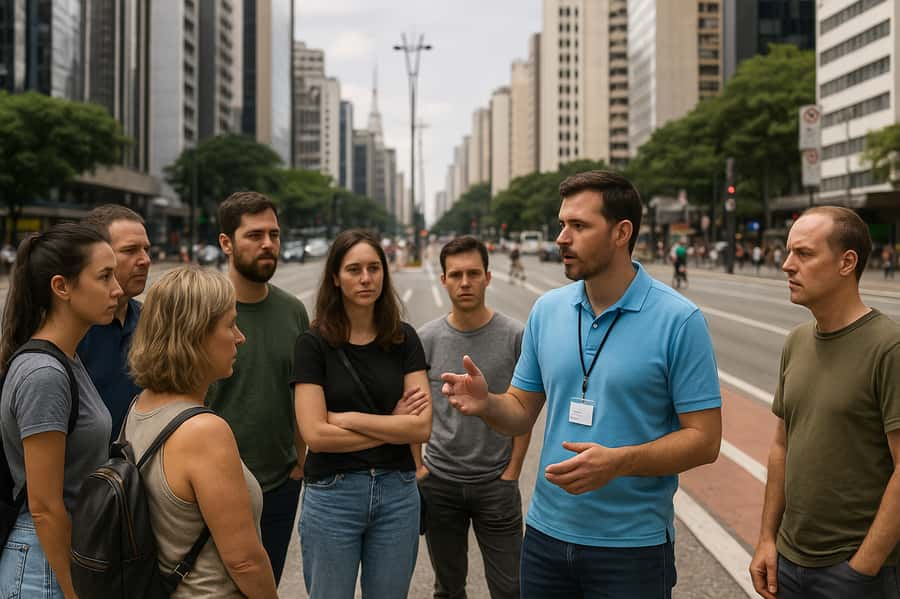
The tour begins at Japan House, a fitting meeting point on Paulista Avenue. Your guide starts with background on the avenue and its role in São Paulo, then sets off at a smooth pace.
This opening matters because Paulista Avenue can feel like a long wall of traffic, towers, offices, and signs if you simply walk it alone. With a guide, you have a framework for reading the street. The avenue becomes a sequence of institutions, homes, public spaces, and changes in São Paulo’s past.
The guide also helps you notice smaller details that are easy to pass without a second thought. The point is not to rush through a checklist. It is to connect the buildings to the city around them.
The meeting point may need a little flexibility. One recent booking found Japan House closed for construction, and guide Doris adapted the route by taking the group to other parts of town. That is a useful sign for anyone booking around a temporary closure, though you should still confirm meeting instructions before setting out.
More Walking Tours in São Paulo
- Sao Paulo: Downtown-Center History Walking Tour – in English
★ 5.0 · 91 reviews - Sao Paulo: Downtown-Center Walking Tour | 2 Hours – English
★ 4.9 · 84 reviews - Ecological walk in sao paulo
★ 5.0 · 61 reviews
The first stretch: hospitals, roses, murals, and culture
The early part of the walk includes Santa Catarina Hospital, Casa das Rosas, Sesc Avenida Paulista, Eduardo Kobra’s murals, Itaú Cultural Institute, State School Rodrigues Alves, and the Pasteur Institute.
Casa das Rosas gives the route a change of mood. After the modern scale of Paulista Avenue, this historic house provides a reminder that the avenue was not always defined by tall commercial buildings and cultural centers. It is one of the stops where a guide’s explanation adds more than a quick photograph can.
Sesc Avenida Paulista brings you back to the avenue’s modern public life. Sesc locations are known for cultural programming, and this building helps show how Paulista Avenue serves as a place for art, events, learning, and social life, not just business.
The Kobra murals add color and a street-level counterpoint to the formal institutions. Eduardo Kobra’s work is one of the most recognizable forms of public art in São Paulo, and the murals make a natural photo stop. Your guide can also help place the work within the avenue’s larger mix of art and architecture.
Itaú Cultural Institute continues the culture theme, while State School Rodrigues Alves and the Pasteur Institute show a different side of the route. These stops keep the walk from becoming a parade of only famous tourist buildings. You see education, health, culture, and public space sharing the same avenue.
This part of the walk is also a good reason to wear shoes you can trust. Three hours sounds easy on paper, but the route includes repeated stops, street crossings, and time spent standing while the guide explains each place.
Time for photos, snacks, and a slower look
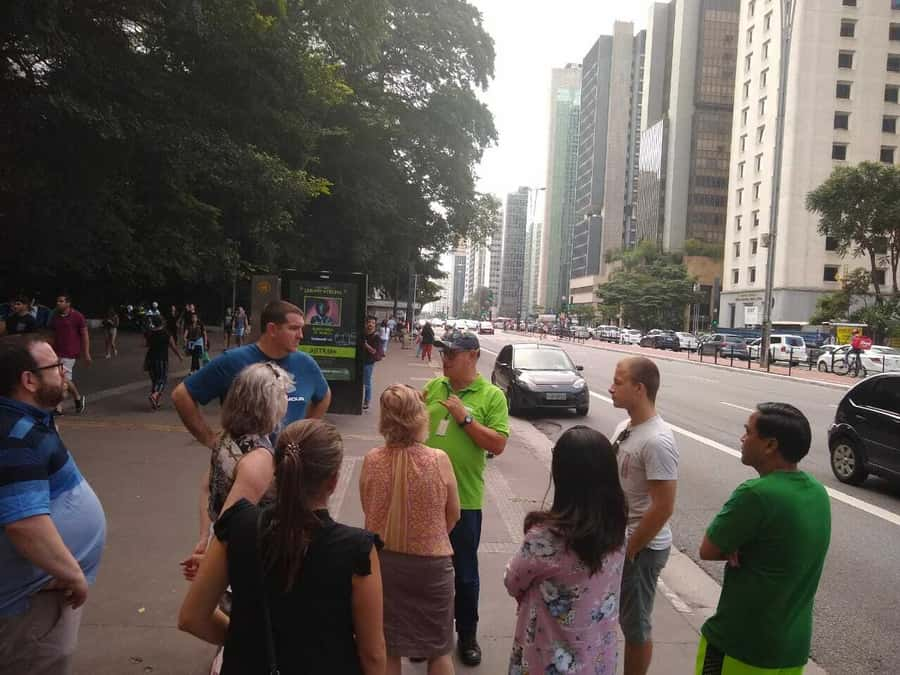
The tour is not designed as a nonstop march. You get breaks for photographs, contemplation, exploration, snacks, and a little souvenir shopping.
That rhythm is important on Paulista Avenue. You can take a picture of a building, then step back and listen rather than trying to capture every stop while walking. If you want to buy a small souvenir or grab something to eat, the planned pauses give you some room.
Food and drinks are not included, so bring money for anything you purchase along the way. The tour also does not include admission charges. Since the main aim is to explain the avenue from the outside, you should see this as an orientation walk, not as a museum tour.
For photographers, the stops are useful because they break up the route. For first-time visitors, they prevent the avenue from becoming a blur of similar-looking blocks. For anyone arriving after a long flight, the walking pace can be a practical way to stay awake while seeing a major part of the city.
FIESP and MASP: the avenue’s famous face
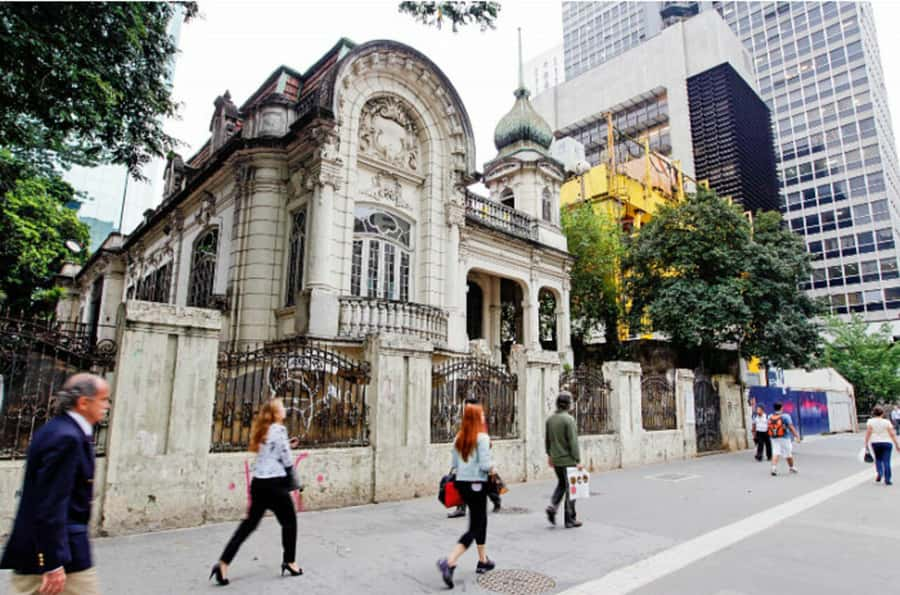
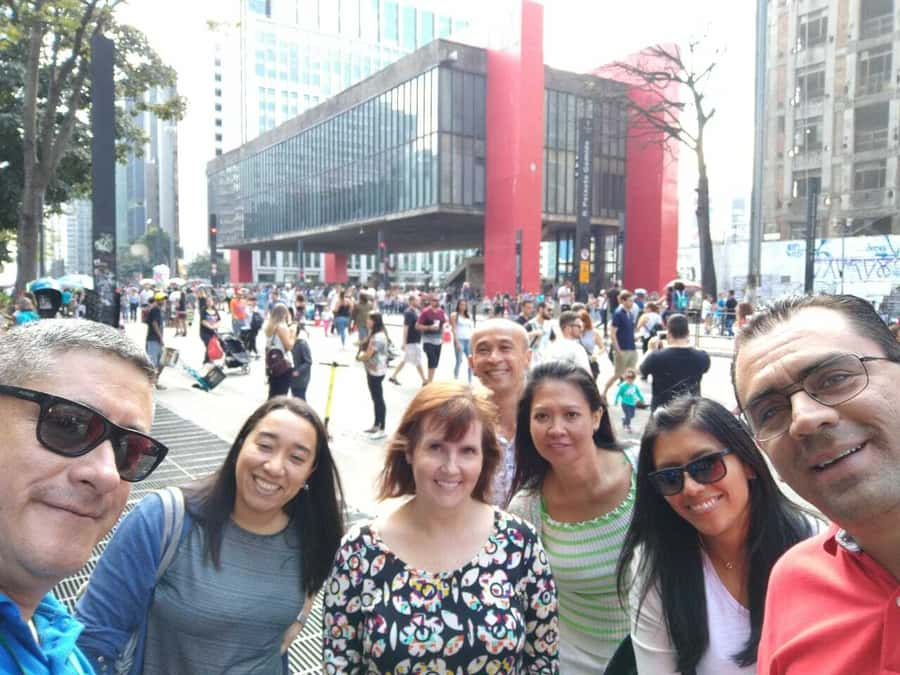
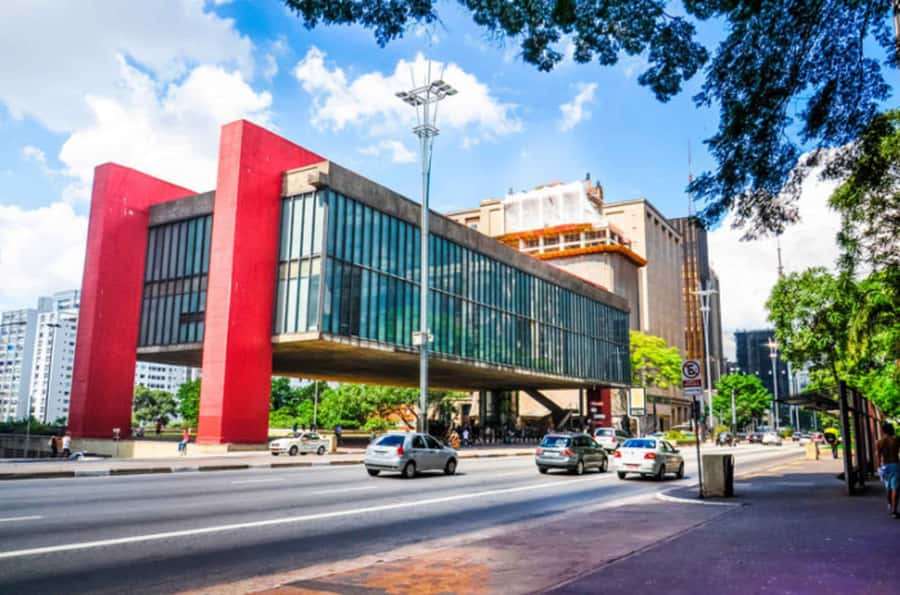
The FIESP Building and the São Paulo Museum of Art, known as MASP, are among the best-known sights on the route.
FIESP is easy to recognize for its bold, modern form. It is one of the buildings that makes Paulista Avenue feel unmistakably São Paulo. Your guide provides context from the outside, helping you understand how the building fits into the avenue’s business and cultural identity.
MASP is the major architectural stop. Its broad structure and open space underneath make it impossible to mistake for an ordinary museum. The building is important even if you do not enter, and the tour gives you a chance to understand its place on Paulista Avenue before deciding if you want to return for the collections.
Keep in mind that entrance to MASP is not included. The same rule applies to other sights that charge admission. If you want museum time, plan it separately after the walk or on another day.
This is where the $100 price needs an honest look. For one person, the cost is high for an outdoor walking tour. For a private group, the price can make more sense because the guide can keep the pace comfortable and focus explanations on your interests. You are paying for personal guiding and a carefully arranged route, not for entry tickets or included meals.
Same city, a completely different kind of day:
- São Paulo: Main City Sights in 7 Hours – Shared Group Tour
★ 4.9 · 587 reviews - São Paulo: City Highlights Guided Tour
★ 4.5 · 307 reviews - Private São Paulo City Tour
★ 4.8 · 264 reviews - São Paulo: Downtown Historical Bike Tour
★ 4.9 · 191 reviews
Trianon Park and the July 9 viewpoint
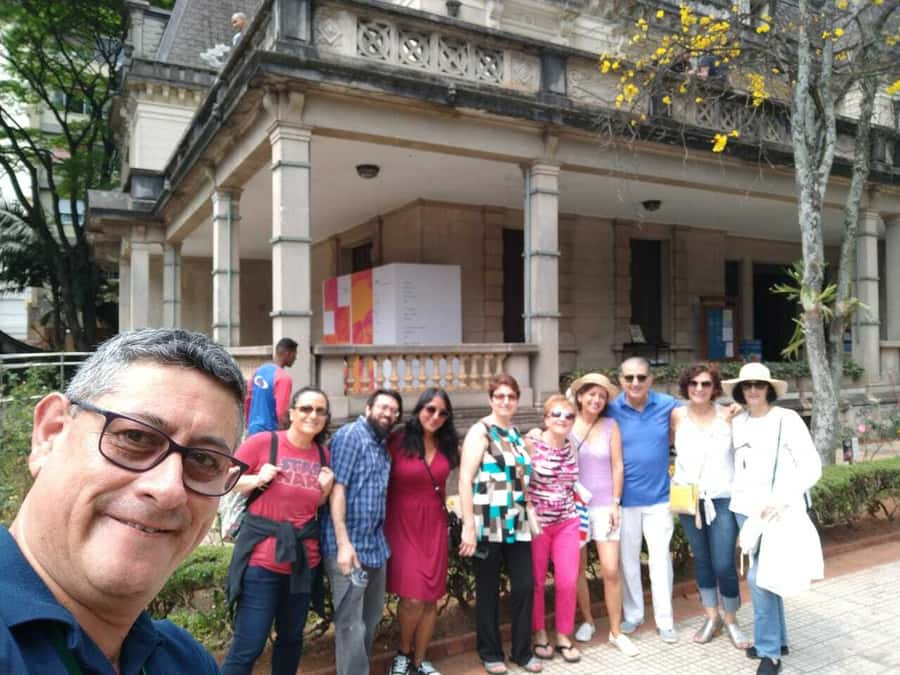
After MASP, the route continues to Trianon Park and the July 9 belvedere viewpoint.
Trianon Park gives you a greener pause from the hard surfaces and traffic of the avenue. It is a welcome place to slow down, listen, and take a breath. The tour data does not promise a long park visit, so think of this as a guided stop rather than a separate nature outing.
The July 9 belvedere provides a viewpoint along the avenue. A stop like this helps you understand the scale of Paulista Avenue and gives you a different angle for photographs. It also breaks up the architecture-heavy middle section of the walk.
These stops show why the tour works best as a broad introduction. You get a little of the avenue’s buildings, public spaces, viewpoints, and cultural sites, rather than spending all three hours in one museum or one park.
Gazeta, Rocha Azevedo, and a historic residence
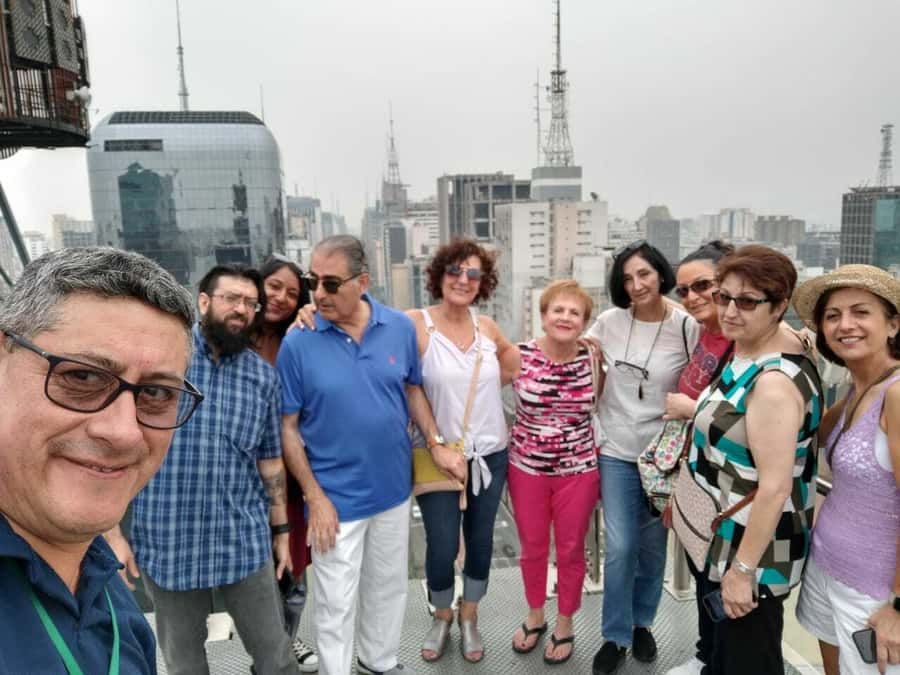
The next sights include the Gazeta Building, Alameda Ministro Rocha Azevedo, and Residência Joaquim Franco de Melo.
The Gazeta Building is another example of Paulista Avenue’s institutional side. Alameda Ministro Rocha Azevedo shifts the focus toward the surrounding streets, while Residência Joaquim Franco de Melo adds another look at the avenue’s older residential character.
These are the kinds of stops that are easy to miss if you follow only a standard city highlights route. The avenue is not just MASP and FIESP. Older residences and side streets help explain how the area changed over time.
If you enjoy architecture, this part of the tour may be especially useful. You can compare large public buildings with more intimate residential structures and see how different periods sit close together. If you mainly want interiors and lengthy visits, you may find the outside-focused format less satisfying.
Augusta Street, Conjunto Nacional, and Livraria Cultura
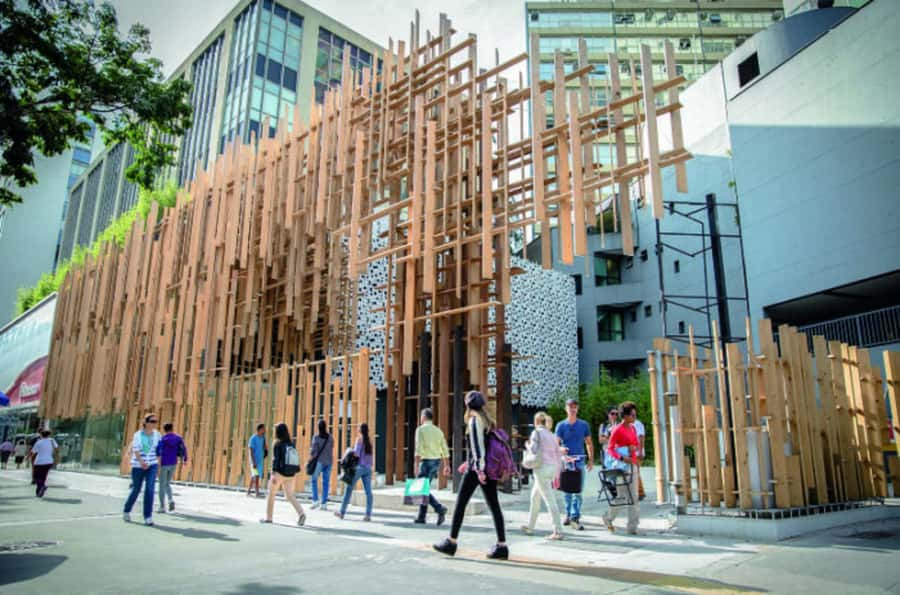
The walk then reaches Augusta Street, Conjunto Nacional, and Livraria Cultura.
Augusta Street adds another layer to the area, with its own identity and connection to São Paulo’s cultural life. The route does not treat Paulista Avenue as a sealed-off tourist corridor. Instead, it points you toward nearby streets and places that help you understand how the avenue fits into the wider city.
Conjunto Nacional is a major mixed-use landmark, and Livraria Cultura gives the walk a strong bookstore stop. Even if you do not buy anything, a bookstore is a pleasant place to pause after several outdoor explanations. You may find it useful for browsing Portuguese titles, picking up a small gift, or simply taking a break from the pavement.
The tour includes time for a little souvenir shopping, but it is not a dedicated shopping excursion. Use the stop to look around without expecting a long retail session.
Finishing at Instituto Moreira Salles
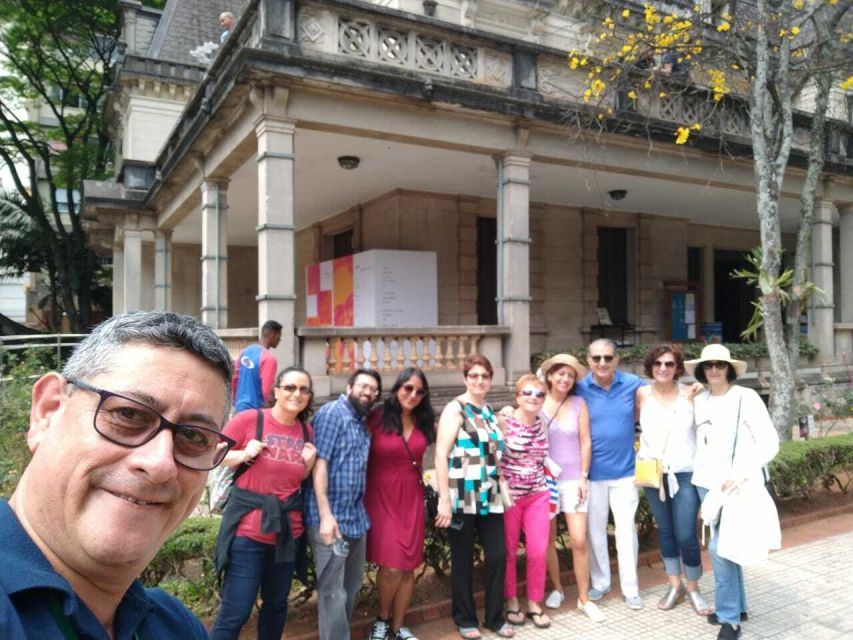
The final listed sight is Instituto Moreira Salles. It brings the tour back to the cultural side of Paulista Avenue and gives the route a fitting finish.
By this point, you have seen public art, education, health, architecture, green space, retail, and cultural institutions. That variety is the main strength of the itinerary. You are not just learning one famous avenue. You are seeing how many parts of São Paulo meet along it.
The guide’s role becomes especially valuable here. Ilan was praised for explaining the history of the buildings and the way the area changed over time. Renato was noted for detailed explanations and useful suggestions about places to visit later. Those are practical benefits: a good walk should help you plan the rest of your stay, not simply fill an afternoon.
What the private format changes
This is a private group tour, with a professional licensed guide and live commentary in English, Spanish, or Portuguese.
Private guiding gives you more control than a large group outing. You can ask why a building matters, request a slower explanation, or spend a little longer at a photo stop. The listed guides include Priscila, Doris, Renato, Ilan, and Laura, with feedback highlighting clear explanations, kindness, energy, and close attention to the group.
Laura was especially attentive throughout one visitor’s outing, including the return to the hotel. Do not assume every booking includes hotel return, though. The supplied tour details identify Japan House as the meeting point and do not list hotel transportation as an included service.
The private format also means the $100 rate should be judged by group size. A couple or family sharing the cost may find it reasonable. A solo visitor paying the full amount may prefer a less expensive group walk, if one is available.
Timing, comfort, and accessibility
The experience lasts three hours, with starting times based on availability. Since you are outdoors in all weather, dress for the forecast and bring comfortable shoes, sunglasses, and sunscreen.
Wheelchair accessibility is listed, which is important for planning. Paulista Avenue includes urban streets and public spaces, but the activity information does not provide detailed notes about every curb, crossing, or building entrance. If you have specific mobility needs, confirm the route details before booking.
Adult pricing applies to all participants. Food, drinks, entrance tickets, and gratuities are extra. Tips are optional, so you can decide after the tour based on the guide’s service.
The cancellation policy is flexible: you can cancel up to 24 hours in advance for a full refund. You can also reserve now and pay later, which helps if your São Paulo plans are still shifting.
Who will get the most from this walk
I would choose this tour for a first visit to São Paulo, especially if Paulista Avenue is new to you. It gives you an overview of the area and helps you decide where to return for a longer visit.
It suits visitors who enjoy architecture, public art, city history, bookstores, and cultural institutions. It is also a good fit after a long flight, since the pace is gentle and the route includes breaks.
You may want another option if your main goal is to enter museums, spend a long time in MASP, or avoid walking outdoors. The tour is about seeing and understanding the avenue from the street, not collecting admission tickets.
Should you book the Paulista Avenue tour?
Book it if you want a private, guided introduction to one of São Paulo’s most important avenues. The strongest reasons are the 18-stop route, the patient pace, and the guide’s role in explaining how the buildings and streets fit together.
At $100 per person, I would be more cautious as a solo visitor. For a private couple, family, or small group, the price is easier to defend, especially if you value personal attention and want advice for the rest of your stay.
Choose it early in your trip if possible. You will leave with a better sense of Paulista Avenue, a list of places to revisit, and enough context to make the city feel less like a string of big buildings and more like a place with layers.
FAQ
Where does the Paulista Avenue walking tour begin?
The meeting point is Japan House on Paulista Avenue.
How long does the tour last?
The walking tour lasts three hours.
How many sights are included?
The route covers 18 famous sights along Paulista Avenue and nearby streets.
Which languages are available?
The live guide is available in English, Spanish, and Portuguese.
Is this a private tour?
Yes. The activity is listed as a private group tour.
Are museum entrance fees included?
No. The tour is not designed to enter museums or other sights that charge admission, and any entrance fees are extra.
Is the tour wheelchair accessible?
Yes. The activity is listed as wheelchair accessible. It operates in all weather, so dress appropriately and confirm any specific mobility needs before booking.
Just added around São Paulo
- REIKI – Crystal Therapy – by Venus’ Secret Spa – San Francisco★ 5.0 · 41 reviews
- Art Of Wine – Travel Through The So-Called Wine Route Visiting Various Wineries★ 5.0 · 40 reviews
- Private Half-Day Guided Tour to São Paulo★ 5.0 · 50 reviews
- Terraço Italia Restaurant experience★ 4.5 · 43 reviews
- Private Tour: São Paulo’s Top Attractions–6 Hours, Hotel/Airport★ 5.0 · 50 reviews
- Downtown Photo Tour★ 5.0 · 45 reviews
- Full Day Private Beach Tour Santos & Guarujá – Combine Culture, History & Beach★ 5.0 · 37 reviews
- Private Street Art Tour of São Paulo with Batman´s Alley Visit★ 5.0 · 30 reviews
Walking Tours, compared.


Sunrise and Sunrise Walk Two Brothers with Local Guide
Read our review →
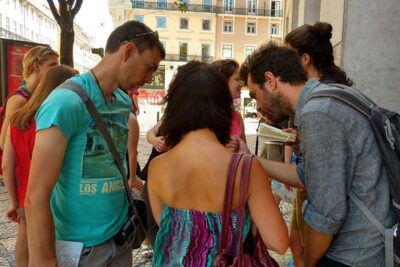
Downtown-Center History Walking Tour – in English
Read our review →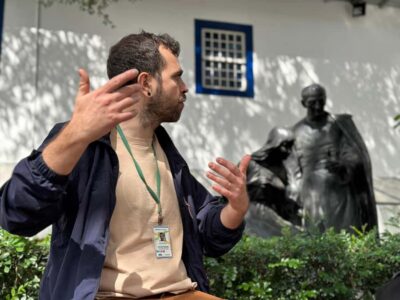
Downtown-Center Walking Tour | 2 Hours – English
Read our review →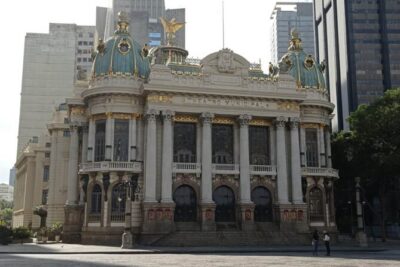
Learn the History of Rio with an Unforgettable City Center Walking Tour
Read our review →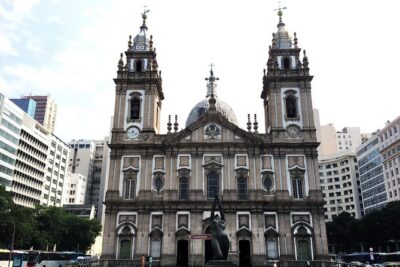
Rio’s city walking tour: a glimpse of history and olympic legacy
Read our review →Browse the lists this tour appears in