
Reviewed · FAVELA TOURS
Rio de Janeiro: Favela Santa Marta Tour with Resident Guide
Santa Marta is not a backdrop for a quick photo. It is Gilson Fumaça’s home, workplace, and community. He was born here, knows the residents, and has spent decades working on local social and educational projects. That makes this a personal introduction to favela life, not simply a walk through colorful alleys.
I like two things right away. First, Gilson connects the big stories, such as Michael Jackson’s 1996 video shoot and Queen Elizabeth II’s 1968 visit, to the people who live here. Second, the money supports community work, including education, language, art, and environmental projects. The main drawback is physical: you will face steep streets, stairs, and heat, and this is not suitable for wheelchair users or people with limited mobility.
Key points before you book
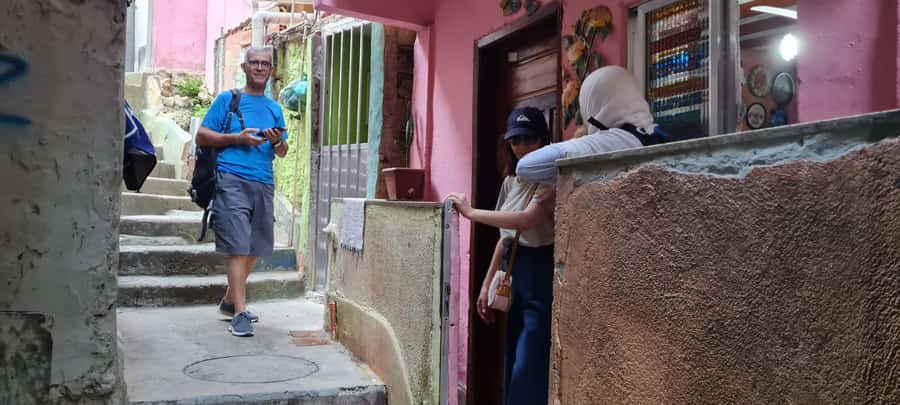
- Gilson Fumaça leads from personal experience: He was born and raised in Santa Marta and has worked as a community leader and tourism guide for decades.
- The tour includes real homes and local projects: You may visit Gilson’s family home, his mother’s collection of more than 400 clocks, and educational spaces linked to the community.
- Michael Jackson’s Santa Marta connection is central: You’ll see the square and places associated with They Don’t Care About Us, filmed here in 1996.
- The experience includes a cable-car ride and viewpoints: Expect views toward Christ the Redeemer and Sugarloaf Mountain.
- Plan for stairs and warm weather: The walk includes uphill and downhill sections, and one visitor in their 50s to 70s found the heat and steps demanding.
- It suits curious, respectful visitors: You need to be comfortable entering a working residential community rather than observing from a distance.
Why Gilson changes the experience
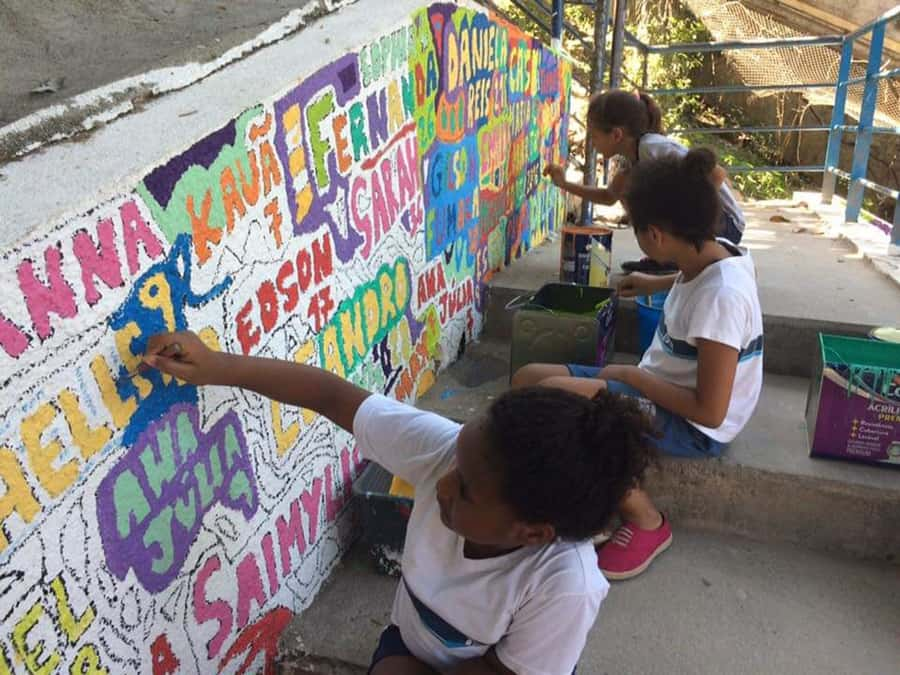
A favela tour can feel uncomfortable if it treats residents as scenery. Santa Marta is still a real neighborhood, with homes, children, shops, schools, football courts, and ordinary daily routines. The guide matters enormously here.
Gilson Fumaça is not simply someone who memorized a few dates. He grew up in Santa Marta and still lives there. His work includes community activities and projects aimed at education, language learning, art, and environmental care. He was also involved in local productions and helped receive public figures and entertainers connected with Rio.
That background gives the walk a clear human center. You hear about the favela’s struggles, but also its organization, pride, creativity, and achievements. Gilson’s own life story forms part of the tour, from childhood to adulthood and his work as a local leader.
I especially like that the tour can move beyond explanation. Depending on the day, you might see children playing football, take part in a simple game, watch local activity, or join in with music and community life. You are not promised a staged performance. The appeal is the chance to encounter the neighborhood as a place where people live.
Respect matters. Keep your camera away unless people are comfortable being photographed, listen when Gilson explains local customs, and remember that this is someone’s home. The most rewarding part is not collecting dramatic pictures. It is learning to see Santa Marta as a community rather than a stereotype.
More favela tours with local guides:
- Rio de Janeiro: Rocinha Favela Walking Tour with Local Guide
★ 4.8 · 3,052 reviews - Rio De Janeiro: Half-Day Rocinha Favela Walking Tour
★ 4.7 · 2,272 reviews - Rio de Janeiro: Favela Santa Marta Top Tour with Local Guide
★ 4.9 · 488 reviews
Starting at Santa Marta and taking the cable car
The meeting point can vary with the option you book. One stated meeting location is the Tourist Information point at Rua São Clemente, 320, with return to the same area. Confirm the precise starting instructions before setting out.
The visit begins with an introduction to Santa Marta and a short safety briefing. This is useful even if you have already visited Rio. Gilson explains how the community works and helps you understand the setting before the walk gets underway.
The cable car forms an important part of the route. The ride takes about 20 minutes and helps you reach the higher sections without turning the entire visit into a hard climb. It also gives you a different view of the tightly built neighborhood and the city beyond it.
Do not mistake the cable car for a complete solution to the walking. You will still use steps and sloping paths during the visit. Wear shoes with a firm sole, carry water, and avoid treating the stated two-hour duration as a relaxed stroll. The experience is usually described as lasting about two to two and a half hours, depending on the pace and stops.
The viewpoints above Rio
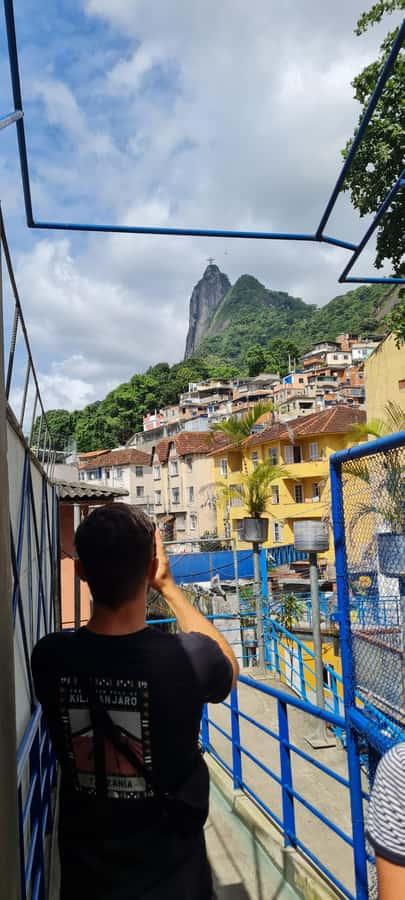
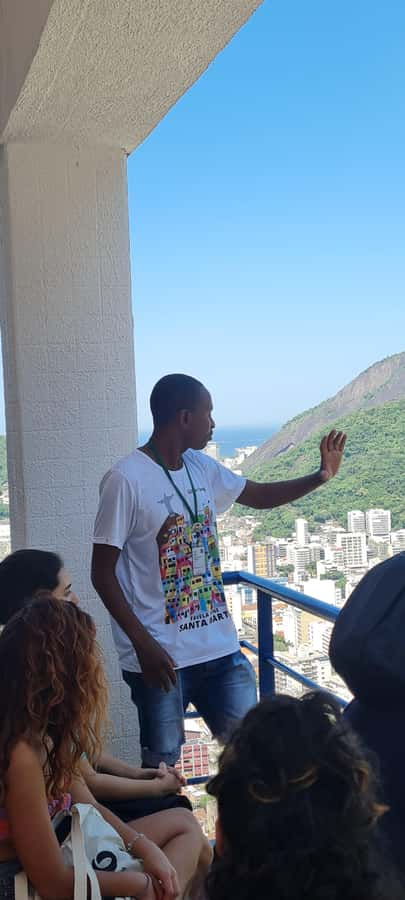
The higher sections bring some of the tour’s best photo opportunities. From the viewpoint, you can see toward Christ the Redeemer and Sugarloaf Mountain, two of Rio’s defining sights.
This is one reason to choose a reasonably clear day if you can. Cloud, rain, or haze can reduce the view, although the neighborhood itself remains interesting in wet weather. One visitor described continuing in heavy rain, which says something about the guide’s willingness to keep the experience going, but it also shows why practical clothing matters.
The viewpoint is not only a photo stop. It helps you understand Santa Marta’s position within Rio. The favela sits close to famous tourist districts, yet its homes, alleys, and daily routines offer a very different view of the city. You see how sharply wealth and hardship can sit side by side in Rio.
Bring a small camera or phone, but do not let photographs take over. The views are attractive, yet the strongest information comes from Gilson explaining what you are seeing and how the community developed.
Walking through homes, alleys, and daily life
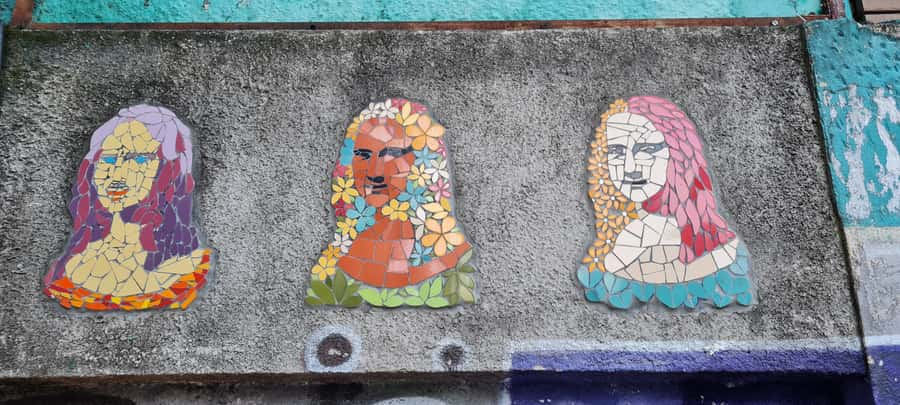
The route includes Rua da Paciência, listed as a photo stop and scenic section. You then continue through residential areas and a local section known as Favela Scene.
Expect narrow paths, colorful walls, homes built at different levels, and frequent changes in elevation. You are likely to stop often, both for information and to let the group catch its breath. The walk is social rather than rushed.
A particularly unusual stop is Gilson’s home. His mother, Maria Helena, collects clocks, with more than 400 displayed throughout the house. That detail gives the visit a memorable personal touch, but it also makes an important point: Santa Marta is not an abstract social issue. It is a neighborhood of individual families, interests, memories, and eccentric collections.
Gilson’s home also includes a homestay area and a rooftop social food space. The rooftop offers drinks, snacks, and views of Christ the Redeemer and Sugarloaf Mountain. The supplied details do not promise that every booking includes a full meal or a long rooftop visit, so think of it as part of the community setting rather than a formal restaurant experience.
The tour can also introduce you to schools, local postal services, educational projects, and environmental work. These stops show how residents build services and opportunities within the neighborhood. I find this far more useful than a tour that only points out poverty or crime.
A few more Rio De Janeiro days to weigh up
- Rio de Janeiro: 6-Stop Highlights of Rio with Lunch
★ 4.4 · 5,157 reviews - Christ the Redeemer Entry Ticket by Corcovado Train
★ 4.4 · 4,476 reviews - Rio de Janeiro: Sugarloaf Cable Car Official Ticket
★ 4.6 · 2,873 reviews - Rio: Christ the Redeemer, Sugarloaf, Selaron & BBQ Lunch
★ 4.5 · 2,428 reviews
Michael Jackson Square and Santa Marta’s public image
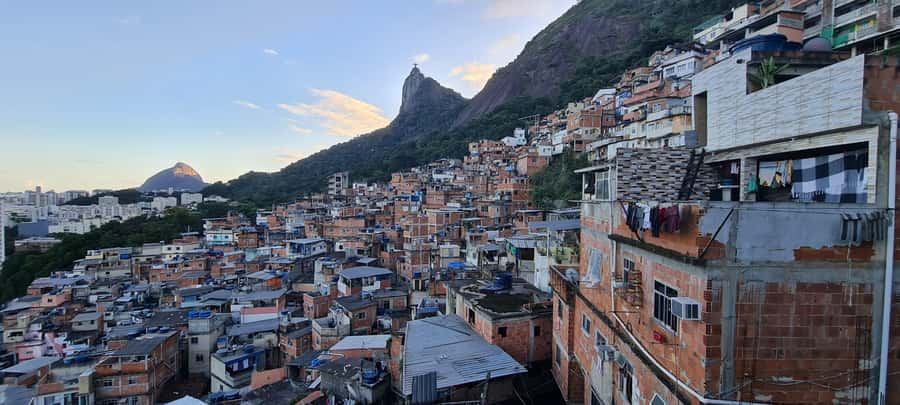
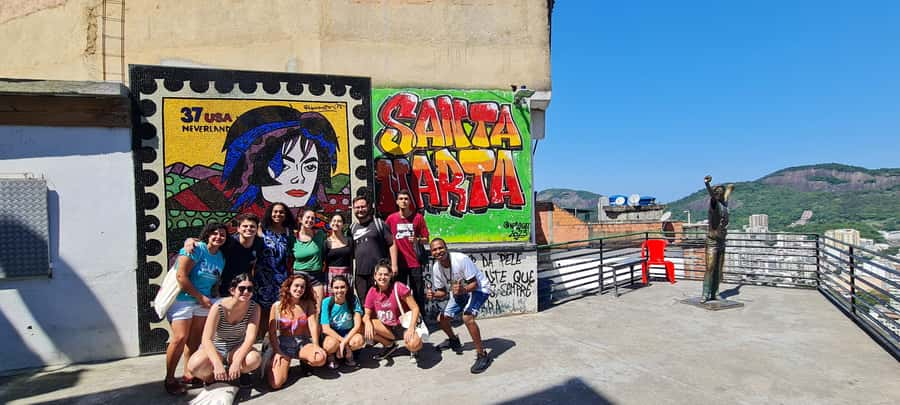
Michael Jackson Square is one of the most recognizable stops. The square is linked to the filming of They Don’t Care About Us, recorded in Santa Marta in 1996. Gilson was present during that period and can connect the famous video to the place where it was made.
This part of the tour works best when you see it as local cultural history, not celebrity sightseeing. The video brought worldwide attention to Santa Marta, but the community existed long before the cameras arrived and continued long after they left.
You get about 15 minutes of free time at the square, with an opportunity to take pictures and shop. The stop breaks up the walking and gives you a chance to look around at your own pace. If you are interested in music, film, or Rio’s changing public image, this will likely be one of the most memorable parts.
Gilson’s links with productions go beyond Michael Jackson. His local work has included projects involving musicians, visiting public figures, and film crews. Those stories add color, but they should not overshadow his main purpose: showing how Santa Marta residents understand their own neighborhood.
Local food and community projects
The route includes a visit to a local restaurant, lasting about 20 minutes. The available information does not specify a fixed menu, so do not book this expecting a detailed cooking class or a set feast. It is better understood as a chance to support a local business and see another part of neighborhood life.
The tour’s social purpose is particularly important here. The organization behind it grew from a tourism project in Santa Marta and was developed by residents. Its stated work includes social, cultural, and environmental goals, with projects tied to inclusion and sustainability.
Gilson’s educational work includes language classes in English and Spanish, art and mosaic activities, music, and other programs for young people. Cooking activities have also been planned as part of the community work. The exact project you see can depend on timing, but the larger point is clear: your visit helps fund a local initiative rather than sending all income outside the area.
I would not describe the tour as charity. You are paying for a guided cultural experience, and the community gains income and attention from hosting it. Still, the social structure gives your money a more direct local purpose than a standard sightseeing loop.
Safety, comfort, and the question of authenticity
Safety is a common concern when visiting a Rio favela. Gilson’s local standing is central to this tour. He knows many residents, is recognized in the community, and explains where to go and how to behave. People who booked the experience described feeling secure with him, including visitors who arrived nervous about entering a favela.
That does not mean you should ignore normal city precautions. Keep valuables discreet, follow the guide’s instructions, and do not wander away from the group. Avoid photographing people, homes, or sensitive areas without permission.
The word authentic is often used too easily in tourism. Here, the strongest claim is not that you will see every aspect of favela life in a few hours. You will not. But you can meet a guide who lives there, enter a family home, hear a first-person story, see community work, and interact with local life in a more grounded way than from a vehicle or distant viewpoint.
There is also a difference between authenticity and hardship tourism. If your goal is to photograph poverty, this is not the right activity. If you want to understand how a community functions and how residents describe their own history, it makes much more sense.
Who will enjoy this Santa Marta visit
I would recommend the experience to you if you:
- Want a local guide rather than a guide from outside the community
- Are interested in Rio’s social and cultural contrasts
- Enjoy meeting people and asking questions
- Want to learn about education and community projects
- Have an interest in Michael Jackson’s Rio filming location
- Can manage steep paths and stairs
- Prefer a small, personal experience to a large sightseeing group
You may want another activity if you have limited mobility, use a wheelchair, or dislike walking in heat. The experience is specifically marked as unsuitable for people with mobility impairments and wheelchair users. One visitor noted that the steps and temperatures above 30 degrees Celsius made the walk difficult for an older group, so consider scheduling for a cooler part of the day if the available time allows.
The language options are English, Spanish, and Portuguese. If you speak Portuguese or Spanish, you may find it easier to handle informal conversations, but English guiding is available.
Is $27 good value?
At about $27 per person, this is reasonably priced for a guided experience lasting around two to two and a half hours, including a local guide and bottled water. The value is strongest because the tour is led by someone who lives in Santa Marta and works on community projects there.
You are not paying only for transport to a viewpoint. The price covers Gilson’s time, local knowledge, access to personal spaces, and the chance to support resident-led tourism. The cable car, family visit, local restaurant, Michael Jackson Square, and community stops give the experience more range than a simple walk.
Still, keep your expectations sensible. Bottled water is included, but the information does not say that food, drinks at the rooftop space, or purchases are included. Bring money if you want to buy something locally, but the core price should be judged on the guiding and community experience.
Free cancellation up to 24 hours before the start and the option to reserve now and pay later make planning easier. These policies are useful if your Rio schedule may change, but the physical demands of the walk should be your main decision point.
Should you book the Santa Marta tour?
I would book this tour if you want a direct, respectful introduction to one of Rio’s residential communities and you are comfortable with stairs, heat, and an experience that may feel personal rather than polished.
The strongest reason to choose it is Gilson Fumaça. His family connection, local reputation, work with young people, and personal involvement in Santa Marta give the tour a human voice. The visits to his home, his mother’s clock collection, the community projects, and Michael Jackson Square add details you are unlikely to get from a standard city tour.
I would skip it only if mobility is a concern or if you want a conventional attraction with predictable timing and little physical effort. For everyone else, $27 buys a thoughtful look at Rio beyond its famous beaches and monuments, with the added benefit of supporting work created inside the community itself.
FAQ
How long does the Santa Marta tour last?
The experience lasts about two to two and a half hours. The stated duration is listed as two hours to 150 minutes, and the pace can depend on the stops and walking conditions.
Who leads the tour?
The tour is led by Gilson Fumaça, who was born and raised in Santa Marta. He is a local tourism guide and community leader involved in social and educational projects.
Which languages are available?
Guiding is available in English, Spanish, and Portuguese.
What does the tour include?
The tour includes a local guide and bottled water. The route includes Santa Marta, the cable car, viewpoints, a local restaurant, Michael Jackson Square, and community areas.
Will I visit Gilson’s home?
The experience description includes a visit to Gilson’s home and his mother Maria Helena’s collection of more than 400 clocks. The home also has a rooftop social space with views toward Christ the Redeemer and Sugarloaf Mountain.
Is the tour suitable for wheelchair users?
No. The experience is not suitable for wheelchair users or people with mobility impairments because the route includes stairs and steep sections.
Can I cancel the booking?
You can cancel up to 24 hours in advance for a full refund. The activity also offers a reserve-now, pay-later option.
Just added around Rio De Janeiro
- Rio de Janeiro: Zip Lining and Canopy Tree Tour★ 3.3 · 6 reviews
- Vidigal Favela Tour★ 4.4 · 26 reviews
- Hang gliding flight in Rio de Janeiro★ 5.0 · 6 reviews
- Rio de Janeiro: Attend a Vasco da Gama game with local guide★ 4.8 · 9 reviews
- Unforgettable Boat Party★ 5.0 · 3 reviews
- Rio Highlights: Christ, Sugarloaf, and More in a Private Tour★ 5.0 · 36 reviews
- Tijuca Forest Hike – Waterfalls & Caves, Nature & Wild Life!★ 5.0 · 51 reviews
- Tijuca Forest w/ Chinese View,cascatinha Taunay,horto waterfall and parque laje★ 4.5 · 29 reviews
Favela Tours, compared.

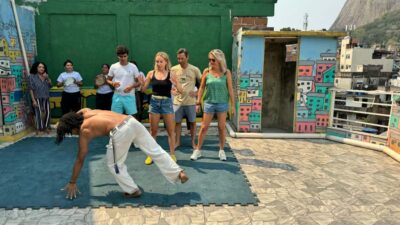
Favela Rocinha Tour with Local Guide & Secret Spots
Read our review →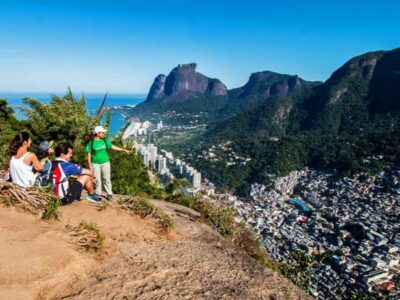
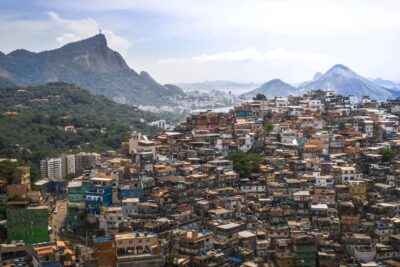
Favela Tour The Original, Rocinha & Vila Canoas since 1992
Read our review →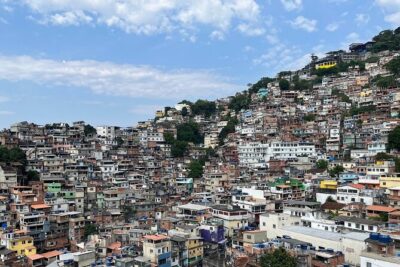
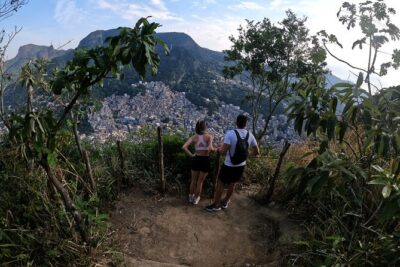
Sunrise at Morro 2 Irmãos – Vidigal – Rio de Janeiro
Read our review →
Half Day Hiking Tour Morro Dois Irmaos and Favela Vidigal
Read our review →Browse the lists this tour appears in