
Reviewed · HISTORICAL TOURS
Scenic Train ride to historical cities of Morretes and Antonina
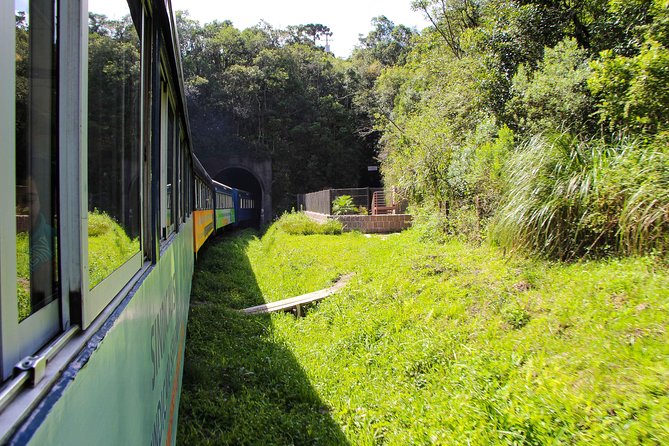
The best part of this day is the rail journey from Curitiba to Morretes, where old tracks cross bridges, tunnels, gorges, and the Atlantic rainforest of Serra do Mar. I like the way the tour pairs that grand scenery with two smaller historic towns, and I especially like that lunch includes Paraná’s slow-cooked barreado rather than a generic buffet.
You also get hotel pickup, a train snack, road transport back to Curitiba, and a visit to the detailed Hisgeopar model park. The main drawback is the tight schedule: Morretes gets about 90 minutes, Antonina only about 20, and the return drive can feel long or bumpy.
Key points to know before booking
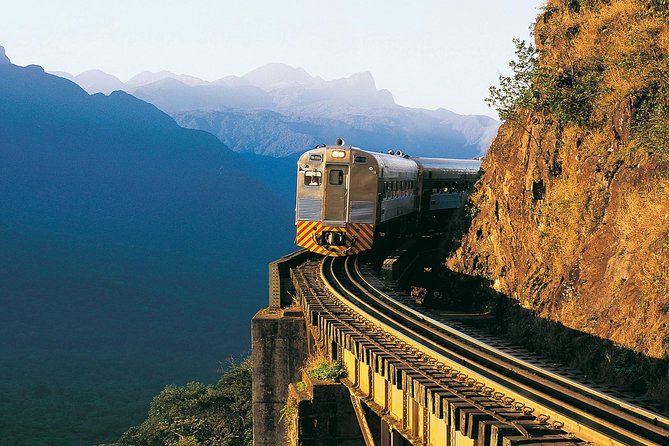
- The 19th-century railway is the main event: The route includes more than 41 bridges, 13 tunnels, viaducts, valleys, rivers, and waterfalls.
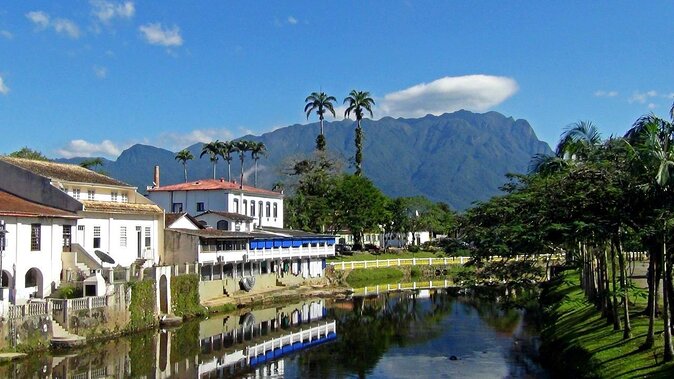
- Morretes deserves your attention: You see colonial houses, churches, craft stalls, and the Nhundiaquara River, but the stop is short.
- Barreado is included at lunch: The beef cooks for about 12 hours in a sealed clay pot and comes with rice, fruit, and manioc flour.
- English or Spanish support must be selected: Commentary in another language is available in the train carriage, while town visits may rely more heavily on Portuguese.
- The return route depends on weather: The usual road is the scenic Estrada da Graciosa, but poor conditions may require the BR-277 highway.
- This is a full group day: The maximum group size is 30, and the total outing lasts about nine hours.
Why the railway journey deserves the full day
The train follows the Paranaguá-Curitiba Railway, first opened in the 19th century. Its inaugural journey in 1884 included Princess Isabel, giving the line a useful place in Paraná’s story beyond its scenic value.
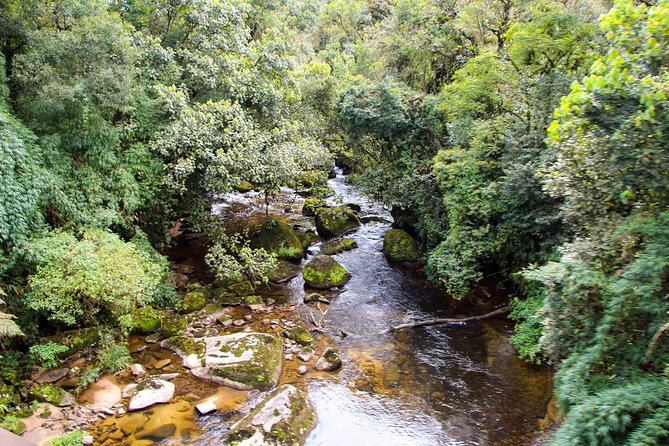
You pass through the Serra do Mar ecological reserve, a broad stretch of Atlantic rainforest close to the coast. The train crosses more than 41 bridges and hundreds of smaller structures, along with 13 tunnels and several notable viaducts. Ponte São João and Viaduto do Carvalho are among the engineering features called out during the journey.
The scenery changes constantly. One moment you are beside thick forest, and the next the track opens toward a gorge, waterfall, or steep valley. On a cloudy or rainy day, visibility can suffer, but the forest still has atmosphere. On a clear day, the views are the reason to reserve this trip well ahead, as it is commonly booked about five weeks before departure.
The ride is not a private heritage train experience. The station and boarding process can be busy, and the train may make unscheduled stops. One journey arrived in Morretes about two hours late after stopping four times. Pack patience along with your camera.
You receive a snack and a soft drink or bottled water onboard. Seating allows movement within your part of the train, which helps on a long ride. The bilingual guide is assigned to the carriage, and you should confirm your chosen language at booking rather than assume it will be available throughout the day.
More scenic train rides near Brazil:
- Christ the Redeemer Entry Ticket by Corcovado Train
★ 4.4 · 4,476 reviews - Rio: Sugarloaf Cable Car and Corcovado Train Tickets
★ 4.0 · 267 reviews - Rio: Christ Redeemer by Train & City Highlights Morning Tour
★ 4.4 · 74 reviews
Leaving Curitiba at 7:00 a.m.
The day begins with pickup from most Curitiba hotels, generally around 7:00 a.m. The exact departure time is confirmed after booking, so keep your morning flexible and wait at the hotel entrance with your voucher and identification details ready.
The operator requires each passenger’s full name, birth date, and passport number. Brazilian citizens should provide an ID number or CPF. This is required for the official passenger list, so enter the information carefully. Incorrect names have caused serious problems at pickup and, in some cases, people were left behind.
The road transfer takes you to the train station, where the group boards the service to Morretes. The railway portion is the least hurried part of the day, but boarding can take time because several visitors are joining the same train service.
Morretes, colonial streets, and the Nhundiaquara River
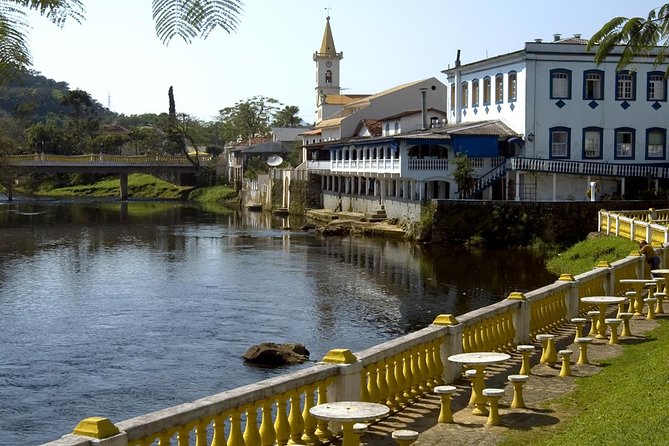
Morretes is the most appealing town stop and the place where I would want extra time. The historic center has colonial homes, churches, small craft shops, and streets that are easy to explore on foot.
The scheduled town visit lasts about 90 minutes and includes a local walking tour. That is enough for an introduction, but not enough for a leisurely wander, a serious look at local crafts, and a relaxed drink. If you find a shop or church you like, you may have to keep moving.
The town’s setting beside the Nhundiaquara River gives the stop much of its charm. After lunch, you may have a chance to stand beside the water or put your feet in the river, an unexpected pleasure on a hot day. Plan for heat, especially during the warmer months, since the train and town portions can feel warm.
Lunch is served beside the river and is one of the strongest cultural parts of the day. The main dish is barreado, a traditional specialty from the Paraná coast. Several cuts of beef cook slowly for roughly 12 hours in a clay pot sealed with manioc flour and water. The result is very soft meat served with rice, sliced bananas, oranges, and manioc flour.
Breaded fish is served on the side. Drinks and dessert are not included, so budget separately if you want them. The meal is filling, local, and far more meaningful than a standard restaurant stop, though the one-hour-and-ten-minute lunch window leaves little time for a long riverside break.
Antonina, a very short coastal stop
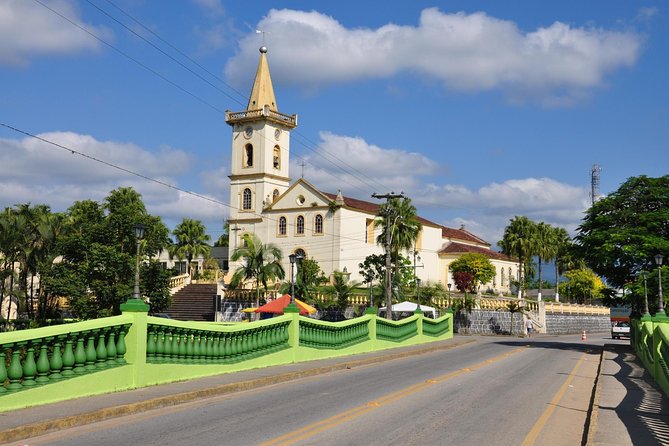
After Morretes, the minibus continues to Antonina, a small historic town on the coast. The plan is to walk along streets and the shore, see shops, and look at handmade sweets made with banana, a common fruit in the area.
The scheduled stop is only about 20 minutes. That is enough to stretch your legs and get a brief look at the town, but not enough to explore it properly. Some itineraries may feel as if they lead mainly to a shop or ice cream stop rather than a full town visit.
I would treat Antonina as a quick introduction, not a major destination. If you are most interested in architecture, riverside scenery, or local food, Morretes is likely to feel more rewarding. The short stop also explains why the day can feel compressed, particularly if the train arrives late.
More old-town walks in Brazil:
- Rio de Janeiro: Historic Rio and Santa Teresa Half-Day Tour
★ 4.4 · 228 reviews - São Paulo: Downtown Historical Bike Tour
★ 4.9 · 191 reviews - Rio de Janeiro: Little Africa Heritage Walking Tour
★ 4.9 · 177 reviews - From Foz do Iguazu: Triple Frontier Landmark Ticket
★ 4.4 · 136 reviews
Hisgeopar and Paraná in miniature
The visit to Parana Encantado Hisgeopar lasts about 30 minutes. This is not an amusement park in the usual sense. It is a moving miniature presentation of Paraná’s history and geography.
Models show colonization-era work and include dozens of small figures. You also see miniature versions of the railway route, complete with locomotive, as well as models of the Itaipu Dam and Iguazu Falls. The Itaipu display demonstrates the area before and after the flooding connected with the Seven Falls.
The stop works best if you enjoy scale models, regional history, and visual explanations. It gives you context for places across Paraná that you may not visit on this day. If you are looking for another nature stop or more time in Morretes, however, this indoor-style presentation may feel less essential.
Returning by Estrada da Graciosa
The usual return to Curitiba is by van, bus, or minibus along Estrada da Graciosa, one of Brazil’s most scenic roads. The route is known for its curves and stone sections, so expect a slower, sometimes bumpy ride rather than a quick highway transfer.
The road offers a fitting change of pace after the train. In the morning, you see the mountains and forest from railway level. On the return, you travel through them by road. The planned arrival in Curitiba is around 4:30 p.m., although train delays can push the whole day later.
Rain matters here. For safety, the driver may use BR-277 instead of Estrada da Graciosa in poor weather. That protects the group but removes the more picturesque return route. If the forecast is wet, keep your expectations flexible.
The drive back can feel long after a nine-hour day. The vehicle itself also varies according to group size, from a van to a bus or minibus. A small group of up to 30 people is allowed, but the exact vehicle is not guaranteed.
How good is the language support?
Language service is the most important point to clarify before paying. English, Spanish, or Portuguese commentary is available in the train carriage, and you must select your preferred language when purchasing.
That promise applies specifically to the train portion. The land guide may not speak the language you selected, and town explanations can therefore be limited for English or Spanish speakers. Some guests have received excellent help in another language, while others understood very little after leaving the train.
If language matters to you, confirm the arrangement at reconfirmation and ask where your carriage will be located. Guides named Alex and Josiane have been praised for being patient and attentive, and Flavia, who worked in a later carriage, was singled out for especially warm service. Still, individual staffing can change.
The guide also handles practical matters such as meeting points, boarding, lunch, and transfers. At times, announcements have been hard to hear because of a loud or unclear microphone. Stay close to the guide when the group leaves the train and listen carefully for instructions.
Is the $128.40 price fair?
At $128.40 per person, this is not a cheap train ticket. It is a full-service day that combines transport, a railway ticket, onboard refreshments, a guide, lunch, two town visits, Hisgeopar, and the return transfer to Curitiba.
The value depends on how you would otherwise arrange the day. Booking the train, finding a way to Morretes, organizing lunch, visiting Antonina, and returning to Curitiba would require more planning and would not necessarily cost much less. You also avoid the worry of driving mountain roads after a long day.
The price feels strongest if you want a one-day overview with logistics handled for you. It feels weaker if your main goal is slow exploration. You pay for convenience and access to several sights, but the schedule gives you limited time in Morretes and almost no time in Antonina.
The package is also better value if you eat the included lunch and use the train snack. Remember that drinks and dessert at lunch cost extra. If you want a higher train class, check your voucher carefully and confirm the carriage before departure. Incorrect upgrades or category changes have caused frustration in the past.
Who will enjoy this tour most?
I would recommend this day to a first-time visitor to Curitiba who wants to see the coast and the Serra do Mar without arranging several separate bookings. Families, couples, solo visitors, and anyone interested in railway history should find plenty to enjoy.
It suits people who prefer a structured day, especially when Portuguese is not their strongest language and hotel pickup is useful. The train provides the memorable centerpiece, while the food and town visits add local flavor.
You may want another plan if you dislike early starts, long vehicle rides, fixed schedules, or crowded boarding areas. It is also not ideal if you want a relaxed architectural tour of Morretes. The 90-minute stop is an introduction, not a deep visit.
Wear comfortable shoes and bring water, sun protection, and a light layer for changing conditions. Keep your passport or ID details consistent with the booking, and arrive ready for delays. Most people can take part, but the day involves repeated transfers, walking through town, and getting on and off vehicles.
Should you book the Curitiba to Morretes train tour?
Book it if you want the railway scenery, a traditional barreado lunch, and a simple way to connect Curitiba with Morretes and Antonina in one day. The train ride is the clear highlight, and the Serra do Mar views can make the early start worthwhile.
Skip it if you need guaranteed language support beyond the train, dislike short stops, or want to spend a full afternoon in Morretes. If you book, choose your language carefully, verify the train category, provide accurate passenger information, and allow for a late return.
The strongest version of this experience is a clear-weather day with a smooth train schedule and enough patience for the road home. It is a busy outing, but it gives you a memorable look at Paraná’s railway, food, rainforest, and historic coastal towns in one well-packed day.
FAQ
What time does the tour start and finish?
Pickup generally begins around 7:00 a.m. The expected return to Curitiba is about 4:30 p.m., although train delays or other changes can make the day longer.
Is lunch included?
Yes. Lunch includes barreado, rice, sliced bananas, oranges, manioc flour, and breaded fish. Beverages and dessert are not included.
What is barreado?
Barreado is a traditional dish from the Paraná coast. Beef cooks slowly for about 12 hours in a clay pot sealed with manioc flour and water, then is served over rice with fruit and manioc flour.
Is an English or Spanish guide available?
English and Spanish commentary is available in the train carriage if you select the language when booking. You should not assume that the guide accompanying the town visits will speak the same language.
How does the group return to Curitiba?
The return is by van, bus, or minibus. The usual route is Estrada da Graciosa, but the operator may use BR-277 when weather conditions make the scenic road unsafe.
What information is required for each passenger?
You must provide each passenger’s full name, birth date, and passport number. Brazilian passengers should provide an ID number or CPF for the mandatory passenger list.
Just added around Brazil
- Paraty Historical City Walking Tour★ 4.1 · 8 reviews
- Walking Tour of São Luís do Maranhão★ 4.4 · 14 reviews
- Rio de Janeiro: Zip Lining and Canopy Tree Tour★ 3.3 · 6 reviews
- Vidigal Favela Tour★ 4.4 · 26 reviews
- Hang gliding flight in Rio de Janeiro★ 5.0 · 6 reviews
- Buzios: City Tour by Trolley with 12 Beaches and Pickup★ 4.5 · 4 reviews
- Rio de Janeiro: Attend a Vasco da Gama game with local guide★ 4.8 · 9 reviews
- Unforgettable Boat Party★ 5.0 · 3 reviews
Historical Tours, compared.


Explore Little Africa : Unveiling Afro Heritage in Rio de Janeiro
Read our review →
Downtown-Center History Walking Tour – in English
Read our review →
Learn the History of Rio with an Unforgettable City Center Walking Tour
Read our review →Browse the lists this tour appears in