
Reviewed · WATERFALL TOURS
From Salvador: Cachoeira Colonial Town Daytrip
Cachoeira gives this day trip its real punch. You leave Salvador’s traffic behind and enter the Bahian Recôncavo, where colonial streets, Afro-Brazilian faith, sugar-era towns, and cigar-making traditions still shape daily life. I like the mix of history and ordinary local scenes, especially the market in Santo Amaro and the walk through Cachoeira.
I also like that lunch is included and that the trip uses a private group with hotel pickup. Guides such as Wilson, a history professor who speaks fluent English, and Jean Luis, who speaks excellent French, have made a strong impression. The main drawback is the long day and the tour’s conflicting accessibility information: one section says wheelchair accessible, while another says not suitable for wheelchair users.
Key points at a glance
- Santo Amaro’s public market gives you an early look at local life and the town’s connection to Brazil’s sugar economy.
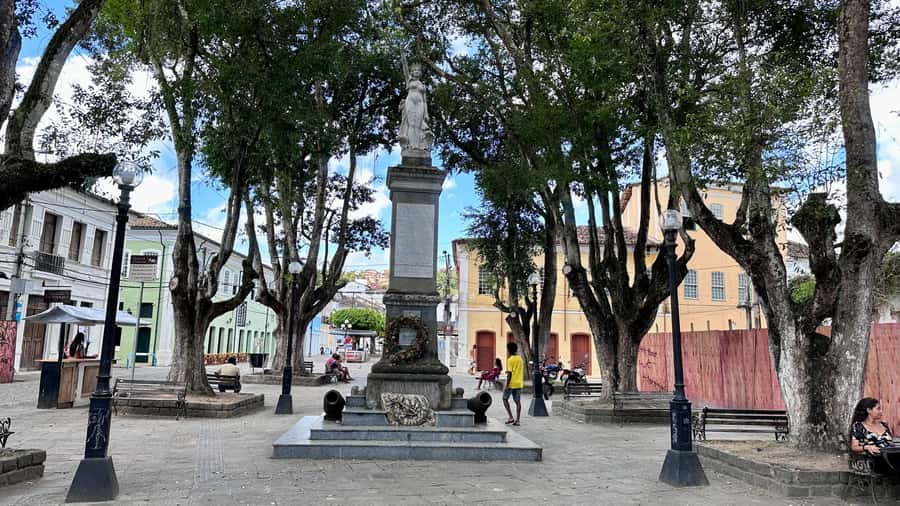
- Cachoeira’s cobbled streets and baroque churches provide the day’s strongest colonial setting.
- The Sisterhood of Our Lady of the Good Death offers important insight into Afro-Catholic faith and women’s cultural leadership.
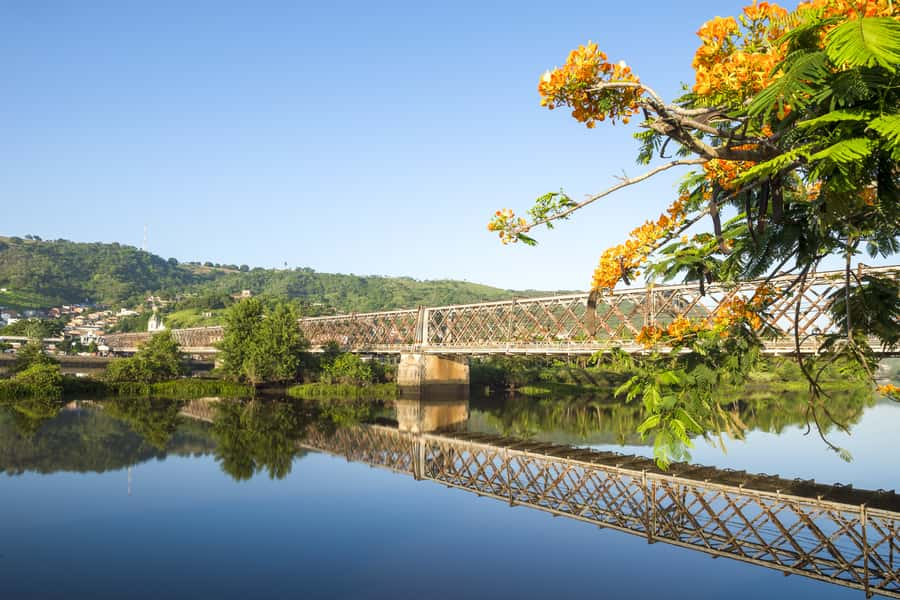
- The 1830 British bridge to São Félix links two historic towns across the Paraguaçu River.
- A buffet lunch on a farm includes broad valley views and a welcome break from sightseeing.
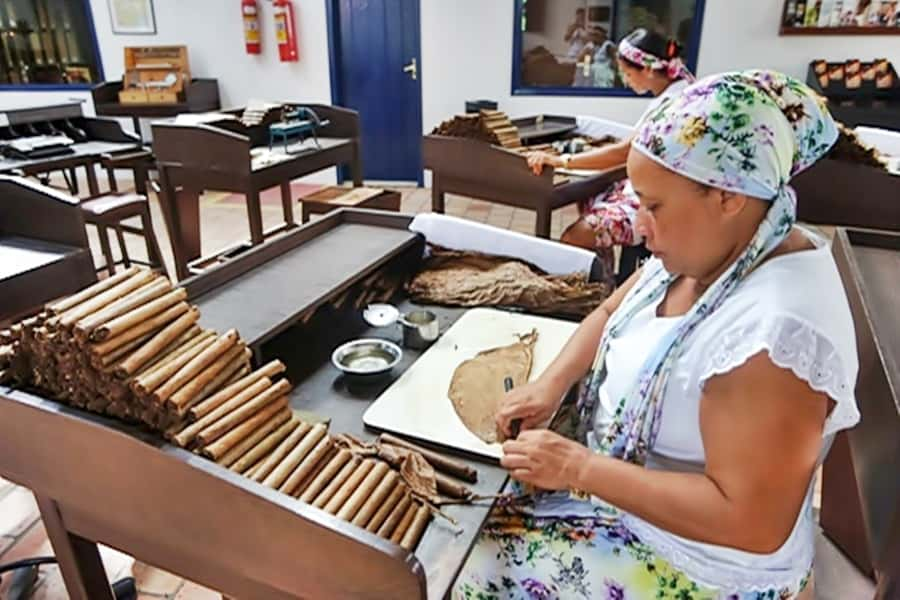
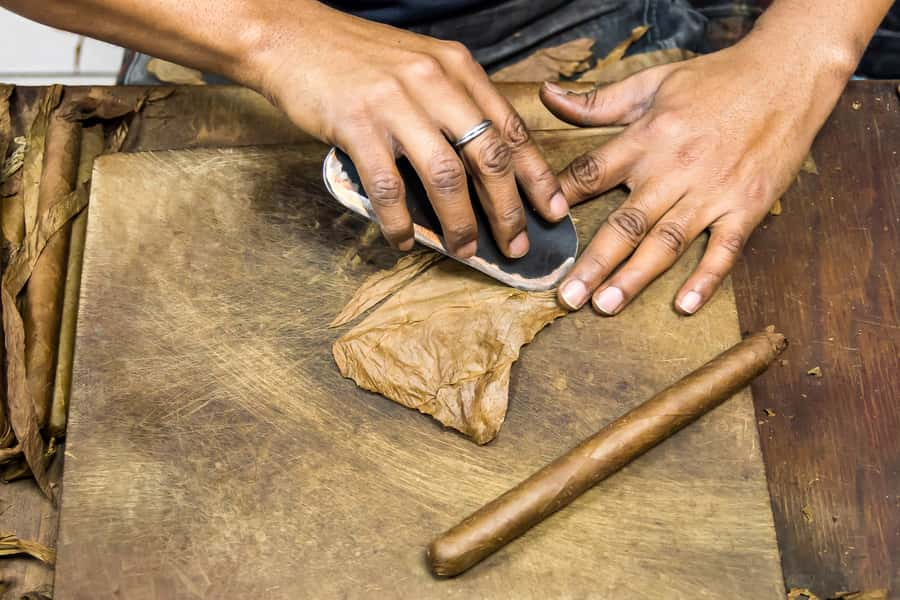
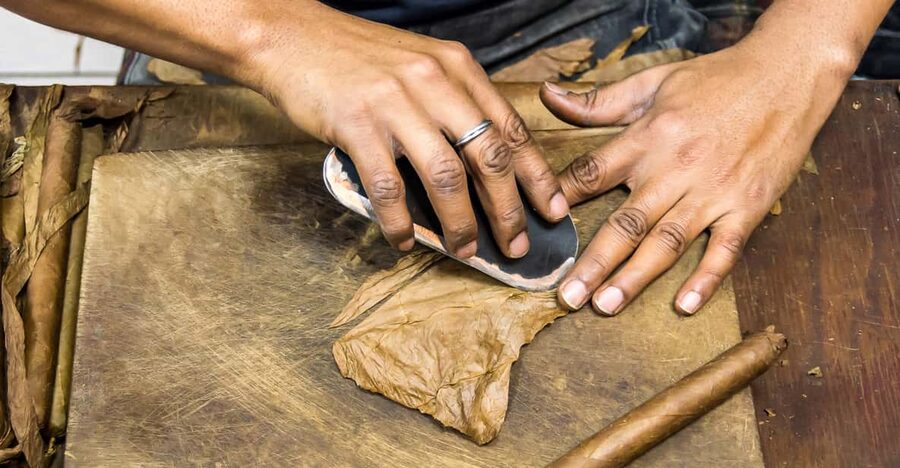
- The Dannemann Cigar Factory shows traditional hand-rolled cigar production rather than only displaying finished goods.
Why the Recôncavo makes a good day from Salvador
Salvador is one of Brazil’s great city destinations, but its traffic, heat, and busy streets can wear you down. This trip takes you inland for a fuller view of Bahia, connecting several places that are tied to the region’s sugar economy, resistance to colonization, Afro-Brazilian identity, and craft traditions.
The Recôncavo is not simply a collection of pretty old buildings. Its towns reflect the movement of people, goods, religion, and power around the bay and the surrounding sugar-growing area. A guide matters here because the buildings alone do not explain why Cachoeira and São Félix matter to Brazil’s independence story or to Bahian culture.
You spend about eight hours on the road and at the stops, with the full program sometimes running closer to eight or nine hours. That makes it a serious day trip, not a quick side outing. I would choose it for a free day after seeing Salvador’s main sights, when you want history presented through towns, markets, churches, food, and working craft.
More waterfall trips near Salvador:
- Rio: Tijuca Forest Small Group Hike to Caves and Waterfalls
★ 4.9 · 536 reviews - Paraty: Jungle Waterfalls and Cachaça Distillery Jeep Tour
★ 4.7 · 491 reviews - Iguassu Waterfalls: 1 Day Tour Brazil and Argentina’s sides
★ 4.9 · 353 reviews
Santo Amaro: market life before the colonial streets
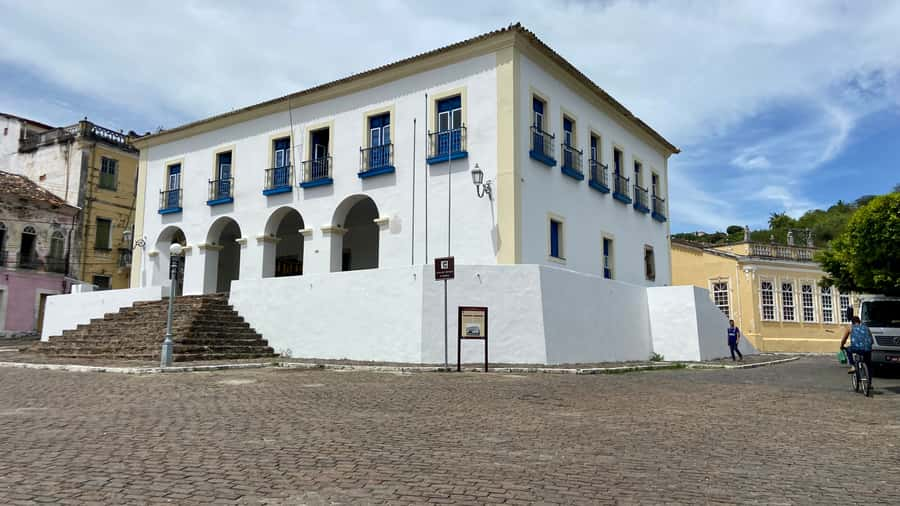
The first stop is Santo Amaro, with about an hour for a guided visit, walking, photographs, and views along the way. The town is linked to Brazil’s sugar economy and to local resistance against colonization, so it gives you useful background before Cachoeira becomes the main focus.
The public market is the practical highlight. Instead of beginning with a silent church or a polished museum, you see a place where daily commerce continues. You can expect a guided walk through the market area and nearby colonial-era buildings, with time to look around and take photographs.
This is a short stop, so you should not expect a full historical tour of every street. Its value is in setting the scene. You begin to see how the Recôncavo’s past is connected to working towns rather than isolated monuments.
Bring small personal necessities with you because the tour’s listed inclusions do not cover drinks. The day includes buffet lunch, but beverages are not included.
Cachoeira: the day’s strongest historic setting
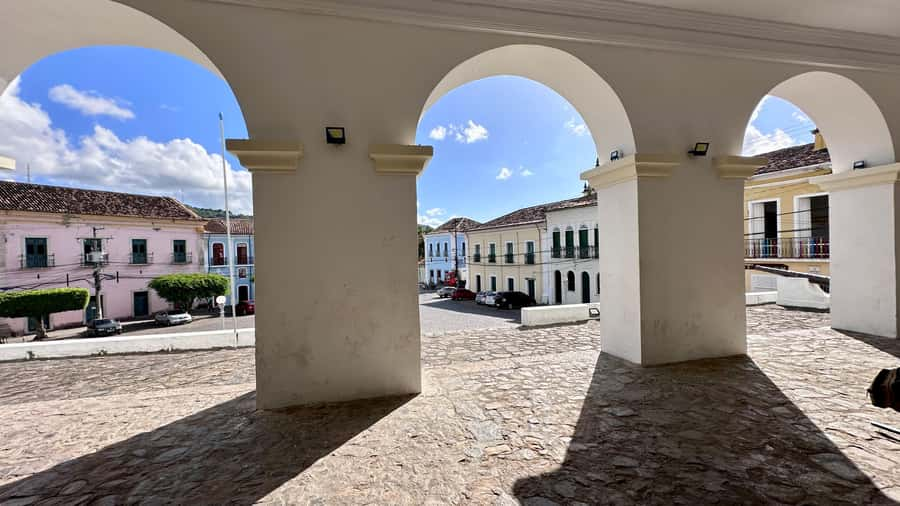
Cachoeira receives about two hours, including a guided visit, walking, sightseeing, photographs, and some shopping. This is the heart of the outing, and you should expect the most time here to be spent on foot.
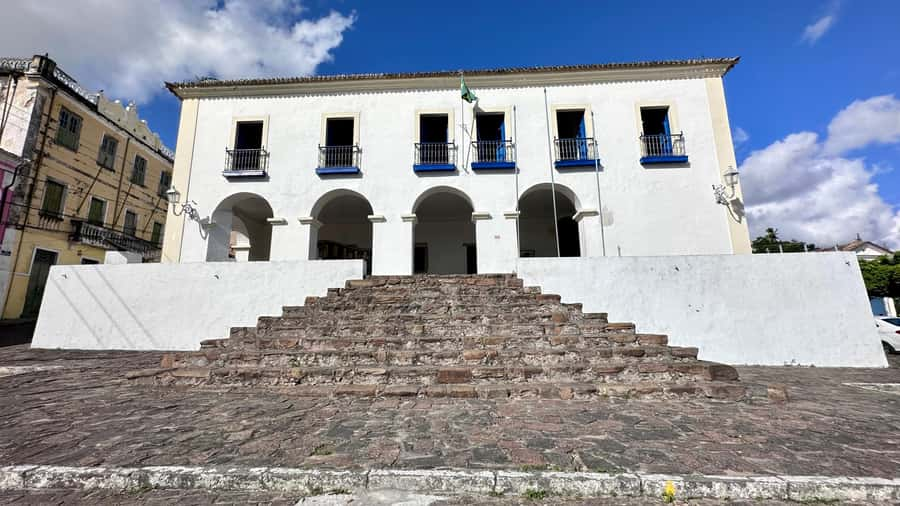
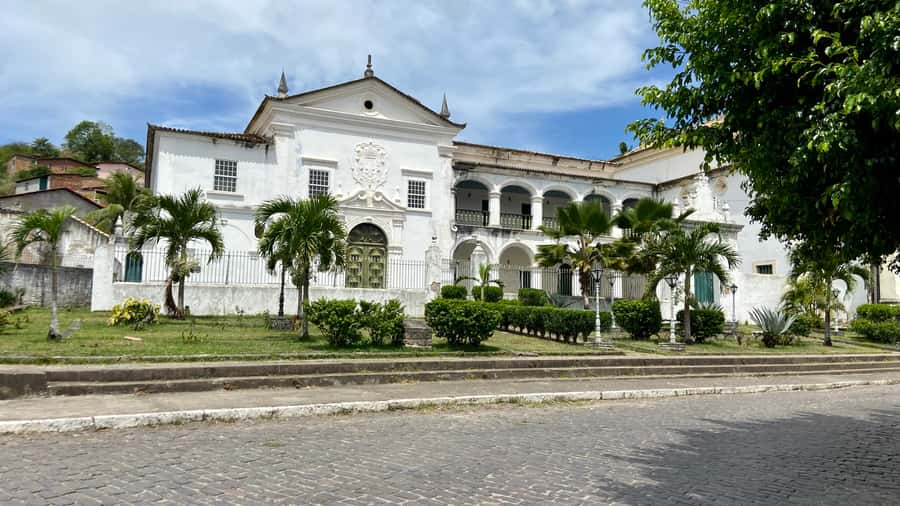
The town is known for cobbled streets, baroque architecture, and historic churches. It also has UNESCO World Heritage recognition, giving the visit added weight beyond its appearance. I like this stop because you can read the town through its street plan and buildings while also hearing about the people and movements that shaped the Recôncavo.
The footing may be uneven, and the walk can feel tiring in warm weather. Comfortable shoes are a sensible choice, especially if you want to make the most of the streets rather than remain near the vehicle.
Shopping is included in the planned time here, though the information does not specify particular shops or products. Think of it as a chance to browse local goods, not a guaranteed shopping session with a fixed purchase stop.
The guide is especially important in Cachoeira. Without context, you might see churches and old façades. With a strong guide, you can connect the buildings to Brazil’s fight for independence, the region’s Afro-Brazilian identity, and the role of faith in community life.
The Sisterhood of Our Lady of the Good Death
One of the most meaningful parts of the Cachoeira visit is the focus on the Sisterhood of Our Lady of the Good Death. This Afro-Catholic sisterhood represents cultural resilience and the way African religious traditions and Catholic forms developed side by side in Bahia.
The visit helps explain that religion here is not only a private matter or an architectural detail. It is tied to community, memory, women’s leadership, and the survival of cultural practices under pressure. The subject adds depth to the churches and streets you see during the walking tour.
The available details do not promise a private meeting with members of the sisterhood or a specific ceremony. You should expect a guided look at its religious and cultural importance rather than a staged performance.
This is the point where a history-focused guide can make the largest difference. Wilson, who is described as a history professor and fluent English speaker, is one named guide associated with the experience. Guide assignments are not guaranteed, but the language range is broad: English, Spanish, French, Portuguese, and Italian are offered.
A few more Salvador days to weigh up
- From Salvador: Schooner Tour to Frades Islands and Itaparica
★ 3.9 · 98 reviews - Afro-Brazilian Roots Private City Tour in Salvador
★ 4.7 · 88 reviews - Salvador Historic Walking Tour – Pelourinho
★ 4.8 · 62 reviews - Salvador de Bahia African Culture Tour
★ 4.5 · 60 reviews
Crossing to São Félix on the 1830 British bridge
After Cachoeira, the route crosses the historic 1830 British bridge into São Félix. The bridge is more than a convenient link between towns. It adds a clear physical connection to the region’s transport and commercial past, and it gives you another angle on the river valley.
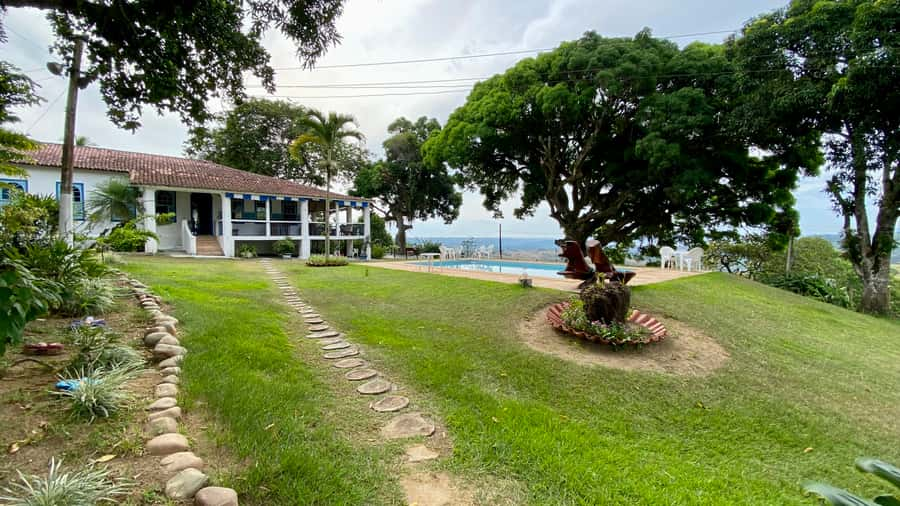
São Félix is scheduled as the lunch stop, with about an hour for a break and a buffet meal. Lunch is served on a farm with panoramic views, giving you time to sit down after the walking in Santo Amaro and Cachoeira.
The farm setting is one of the tour’s practical strengths. A full day of road travel and sightseeing needs a proper pause, and the included buffet means you do not have to spend your limited time searching for a restaurant. Drinks are extra, so budget for them separately.
The description refers to a traditional Bahian lunch, but it does not list the dishes. You can expect a buffet meal included in the price, not a guaranteed menu or a cooking class. If you have dietary needs, ask the operator before booking because the supplied details do not explain special meal arrangements.
The Dannemann Cigar Factory and hand-rolled craft
The final major stop is the Dannemann Cigar Factory, where you can see cigars being made by hand. This gives the day a useful change of pace. After churches, public spaces, and religious history, you see a living craft tied to the area’s commercial traditions.
The value is in watching production rather than simply buying a souvenir. The tour description specifically highlights hand-rolled cigars in production, so you can expect to see the craft process in action.
There is no statement that cigar purchases are required or included. You can treat the visit as a cultural stop even if you have no interest in smoking. The factory also makes the day feel less like a sequence of monuments and more like a look at how local traditions continue.
What the private transport adds to the day
Hotel pickup and drop-off in Salvador are included, with transport by air-conditioned coach. That matters in Bahia, where a full day of driving can be tiring in a hot vehicle. You meet the tour in your hotel lobby, then return there at the end.
The group is private, which gives you more control than a large coach excursion. You can ask questions directly, keep the pace within the planned schedule, and make better use of the guide’s language skills. The information does not promise unlimited flexibility, so the route and stop lengths should still be treated as fixed.
A good driver also matters on this route. Adriana is specifically praised for safe driving through Salvador’s dense traffic and on the longer road trip. Driver assignments can change, but this detail tells you that the day includes substantial driving and that road comfort is part of the experience.
One French-speaking guide, Jean Luis, is noted for having lived in France and for explaining the day with a strong sense of humor. That may be useful if French is your preferred language. Still, you should not book on the assumption that a particular guide will be assigned unless the operator confirms it.
Is $220 per person a fair price?
At $220 per person, this is not a budget bus outing. The price makes more sense if you value a private group, hotel transport, a professional guide, entrance fees, and a full buffet lunch in one package.
You are also paying for a route that would be awkward to arrange independently in a single day. Santo Amaro, Cachoeira, São Félix, the farm lunch, and the cigar factory are spread across a broad area, and the guide provides the historical links between them.
The value is strongest for two or more people who want a private day with transport already handled. A solo visitor would pay the same listed per-person price and might find it harder to justify. There is also a minimum of two people per booking.
The package does not include drinks, so add that cost. The headline duration is eight hours, though the full outing can take eight to nine hours. If you have only a short stay in Salvador, consider whether giving up most of a day is worth it. If you have several days, the trip adds subjects and places that a city-only visit will not cover.
Who should book this Recôncavo day trip?
I would recommend it to you if you want more than Salvador’s famous old center. It suits people who enjoy guided history, religious culture, colonial architecture, local markets, and food, and who prefer a planned private outing over piecing together transport.
It is also a good match if you want to see Afro-Brazilian identity presented through actual places and institutions. The Sisterhood of Our Lady of the Good Death and the towns of Cachoeira and São Félix give the subject a local setting rather than reducing it to a general lecture.
You should think twice if you dislike long road days or have trouble with uneven walking surfaces. The schedule includes walking in historic towns, and the tour does not provide enough detail to promise frequent rest stops.
Accessibility needs special attention. One part of the information marks the experience as wheelchair accessible, while the specific restrictions say it is not suitable for wheelchair users. Contact the operator before paying if this affects your decision, since the two statements do not agree.
Practical details before you reserve
Free cancellation is available up to 24 hours before departure for a full refund, and the reserve-now, pay-later option keeps your plans flexible. Confirmation is supplied at booking, but minimum numbers apply and the outing can be canceled if too few people are booked. In that case, an alternative or full refund is offered.
The tour is offered in English, Spanish, French, Portuguese, and Italian. If language is important, request your preference when booking, but do not assume a named guide such as Wilson or Jean Luis will lead every departure.
Wear comfortable shoes and plan for a full day away from your Salvador hotel. The included lunch helps, but drinks are not included. Since the itinerary combines market streets, cobblestones, churches, a bridge, a farm, and a factory, you will get more from the day if you enjoy variety rather than a single major attraction.
Should you book it?
Book this tour if you want a guided, history-heavy day that shows how the Bahian Recôncavo connects colonial architecture, Afro-Catholic faith, sugar-era towns, food, and handcraft. The combination of Cachoeira, the sisterhood, São Félix, and the cigar factory gives the day more substance than a simple scenic drive.
Skip it if you have limited time in Salvador, dislike a long day on the road, or need confirmed wheelchair access. For everyone else, the private format, included transport and lunch, and strong guide options make the $220 price reasonable when you want a deeper look at Bahia beyond the city.
FAQ
How long does the Cachoeira day trip take?
The tour is listed as eight hours, with the full program described as approximately eight to nine hours.
Where does pickup take place?
Pickup and drop-off are provided at your Salvador hotel lobby.
What is included in the price?
The price includes round-trip transport in an air-conditioned coach, a professional guide, buffet lunch, and entrance fees to all listed attractions.
Are drinks included with lunch?
No. Drinks are not included.
Which languages are available?
Guiding is available in English, Spanish, French, Portuguese, and Italian.
Is the tour wheelchair accessible?
The information is inconsistent. One section describes the activity as wheelchair accessible, while another says it is not suitable for wheelchair users. Confirm directly with the operator before booking if accessibility is required.
Just added around Salvador
- Salvador: Schooner Cruise with Pickup and Itaparica Stop★ 3.8 · 5 reviews
- Salvador: Traditional Drumming and Percussion Workshop★ 4.4 · 10 reviews
- Salvador: Cultural Treasure – Samba de Roda.★ 4.9 · 51 reviews
- Salvador by Night: Cultural Show and Dinner.★ 4.4 · 17 reviews
- Salvador: 3-Hour Percussion Class★ 4.9 · 10 reviews
- Salvador by Night: Cultural Dinner and Show★ 4.7 · 27 reviews
- Salvador: Caipirinha Masterclass with Unlimited Drinks★ 4.2 · 4 reviews
- Salvador: 4-Hour Candomblé Mysteries Tour★ 4.3 · 34 reviews
Waterfall Tours, compared.
Tijuca Forest Small Group Hike to Caves and Waterfalls
Read our review →
Jungle Waterfalls and Cachaça Distillery Jeep Tour
Read our review →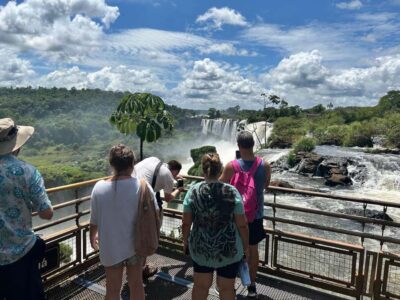
Iguassu Waterfalls: 1 Day Tour Brazil and Argentina’s sides
Read our review →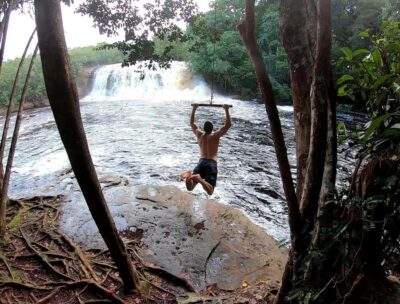
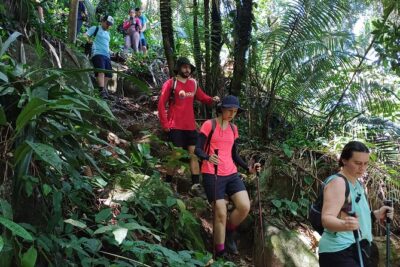
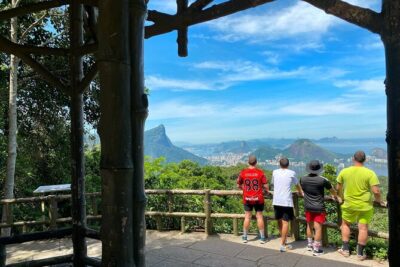
Hiking in the Tijuca Forest : Waterfalls and Caves
Read our review →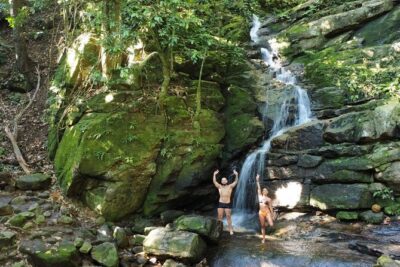
Garganta do Céu and Waterfall hike in Pedra da Gávea
Read our review →Browse the lists this tour appears in