
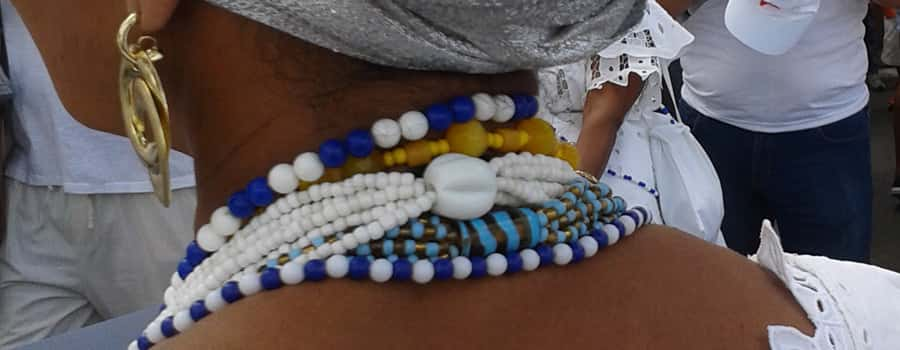
Reviewed · AFRO-BRAZILIAN HERITAGE TOURS
Salvador: 4-Hour Candomblé Mysteries Tour
Salvador’s Candomblé Mysteries Tour takes you past the postcard version of Bahia and into the African and Indigenous traditions that shaped the city. You’ll visit the Afro-Brazilian Museum, Pierre Verger Gallery, a former maroon refuge, and a Candomblé terreiro, with time for photographs and conversation along the way. I especially like the small private group and the chance to see Salvador with a guide connected to these traditions.
I also like the way the tour links museums, streets, religion, and social history instead of treating Candomblé as a curiosity. Guides such as Nilson, Monia, Fernando, and Maria Nunes have been singled out for clear explanations and flexible pacing. The main caution is that the four-hour schedule moves quickly, and one booking reported paying an additional 20 reais per person for entry, despite entrance fees being listed as included.
Key points to know
- A four-hour route through Afro-Brazilian Salvador: Expect museums, viewpoints, a Candomblé terreiro, a maroon-community neighborhood, and Pelourinho.
- Private and limited to six people: You get more room for questions than on a large coach tour.
- A guide-led explanation of Candomblé: The route is designed to correct old misconceptions about African-origin religions.
- Pierre Verger’s photographs add a human record: His work connects slavery, Bahia, African identity, and cultural change.
- The sacred oracle is optional: If you want a consultation, it costs extra.
- Dress carefully: Knees and shoulders must be covered at places of worship and selected museums.
Why this tour offers more than Salvador’s usual sights
Salvador is often introduced through its colorful colonial buildings and steep streets. Those sights matter, but they only tell part of the story. This tour focuses on the city’s African and Indigenous religious heritage, an essential part of why Salvador is sometimes called the Black Rome.
The experience treats Candomblé as a living tradition rather than a mysterious sideshow. You’ll hear about enslaved Africans, the transatlantic trade, cultural survival, and the way religious identities developed in Brazil. That wider frame matters because it gives meaning to the symbols, objects, neighborhoods, and sacred places you visit.
I like the subject, but this is not a casual sightseeing ride with a few colorful stops added for atmosphere. You’ll get the most from it if you are willing to listen, ask respectful questions, and accept that some parts of the experience require care and restraint. Religious spaces are not simply photo opportunities.
The price is $110 per person. That is a serious charge for four hours, but it includes hotel or port pickup and drop-off, private transportation, a live guide, and the intimacy of a group capped at six. The value depends heavily on your guide. A strong guide can connect the places into one clear story, while a rushed or less experienced guide could leave the experience feeling like a string of stops.
More Afro-Brazilian heritage walks in Salvador:
- Afro-Brazilian Roots Private City Tour in Salvador
★ 4.7 · 88 reviews - Salvador Historic Walking Tour – Pelourinho
★ 4.8 · 62 reviews - Salvador: Walking Tour Through Pelourinho
★ 5.0 · 49 reviews
Starting with slavery and identity at the Afro-Brazilian Museum
The route begins at the Afro-Brazilian Museum, where the focus is on the forced movement of Africans to Brazil and the identities they carried with them. The collection includes objects from several regions of Africa, helping you see that enslaved people did not come from one single culture or religious system.
That point is easy to miss when slavery is presented as a broad historical category. Here, the museum setting gives your guide a chance to explain the differences between African peoples and the many artistic, intellectual, social, and religious practices that took root in Brazil.
You can expect a guided visit of about 30 minutes at one of the early stops. That is enough time for an introduction, though not enough for a slow museum study. If you like to read every label, you may need to make quick choices. The benefit of the short visit is that the museum works as a foundation for the rest of the afternoon rather than taking up the whole tour.
This is also where the tour’s effort to correct mistaken ideas about African-origin religions becomes important. The subject is presented through history and culture, not through sensational stories about secret rituals. I would pay close attention to the guide’s explanations here, because they provide the vocabulary and context needed for the terreiro visit later.
Pierre Verger’s photographs and the power of a personal record
The Pierre Verger Gallery introduces the work of a French anthropologist, photographer, and writer who documented slavery, African connections, and life in Bahia. His records include photographs and audiovisual material, giving you a more personal view of the people and places behind the historical account.
Verger’s role adds an unusual layer to the tour. You are not only looking at objects from the past. You are also seeing how one careful observer recorded the continuing links between Bahia and Africa. His work helps connect the museum’s account of forced migration with the living culture you encounter in Salvador.
The gallery is one of the places where a good guide makes a real difference. Names, dates, and images can blur together during a short tour. A guide who can point out the important themes will help you understand why Verger’s work still matters.
The tour also includes photo stops and views of Salvador’s landmarks. These breaks keep the pace from becoming too heavy, especially for people who are new to the subject. Still, the focus remains cultural and historical. If you want a tour devoted mainly to architecture or colonial churches, this is not the best match.
Seeing a maroon-community neighborhood
One of the more distinctive parts of the route is a visit to a community linked to maroon settlements. These communities served as places of refuge for Black people during the colonial and post-abolition periods, and they also protected African religious traditions.
The stop is valuable because it shifts the story from museums to the city itself. You are not just hearing about resistance in the past. You are seeing how a community connected to that past developed over time, including the urban and cultural changes that shaped a present-day neighborhood.
A guide from the community accompanies the walk. The guide is initiated in these traditions and can explain the historical processes behind the neighborhood and its religious life. That local voice gives the stop a degree of context you would be unlikely to get by walking through alone.
The schedule allows roughly 50 minutes for one visit and guided segment. That is enough for an introduction and a short walk, but you should not expect an exhaustive neighborhood study. The streets may also require attention to your footing and surroundings, although no specific accessibility details are provided. Wear practical shoes and be ready for a walking segment.
A few more Salvador days to weigh up
- From Salvador: Schooner Tour to Frades Islands and Itaparica
★ 3.9 · 98 reviews - Salvador de Bahia African Culture Tour
★ 4.5 · 60 reviews - Salvador: Praia Do Forte and Guarajuba Beach Day Trip
★ 4.1 · 56 reviews - Salvador: Cultural Treasure – Samba de Roda.
★ 4.9 · 51 reviews
Entering a Candomblé terreiro from the Ewe-Fon tradition
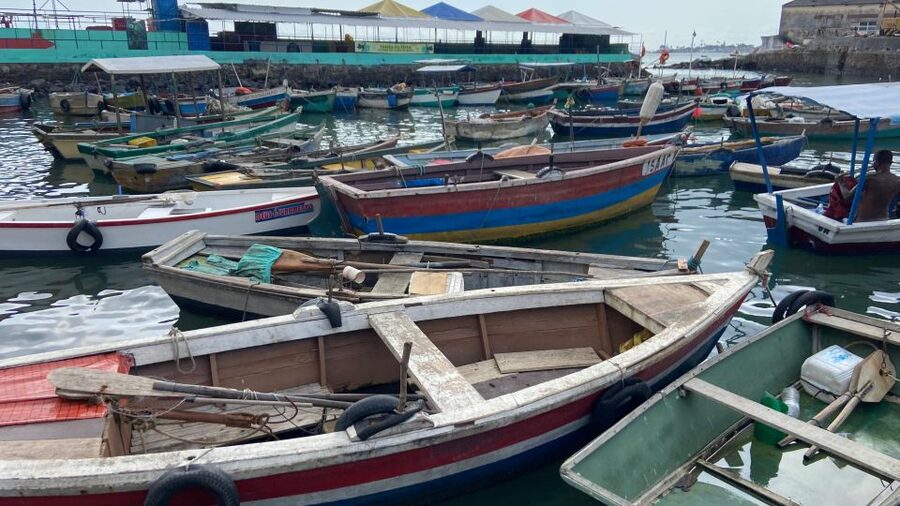
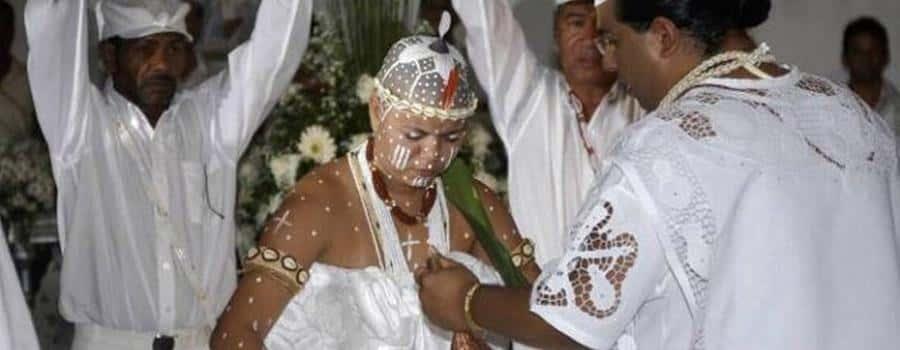
The tour then visits a Candomblé terreiro connected to the Ewe-Fon nation, described as having Daomenian origins. This is the spiritual center of the experience, and it is also the part that calls for the most respect.
You’ll learn how African religious traditions survived and changed in Brazil. The visit is intended to clear away false ideas that have circulated about Candomblé for centuries. Rather than presenting the religion as an exotic spectacle, the tour places it within the history of African survival, community life, and faith.
An optional consultation with the sacred oracle is available at an extra cost. This is not part of the standard $110 price, so ask about the fee before agreeing to it. You should also understand that an oracle consultation is a personal religious activity, not simply another sightseeing stop.
Dress rules are strict. Men and women must cover their knees and shoulders, and shorts or sleeveless tops may lead to refused entry at the terreiro or selected museums. I would wear long trousers or a long skirt and a shirt with sleeves from the start. That is simpler than trying to improvise clothing between stops.
Photography should also be handled with care. The tour information specifically highlights photo stops in several places, but a sacred space may have its own expectations. Follow your guide’s instructions and ask before taking pictures.
Dique do Tororó and Salvador’s public symbols
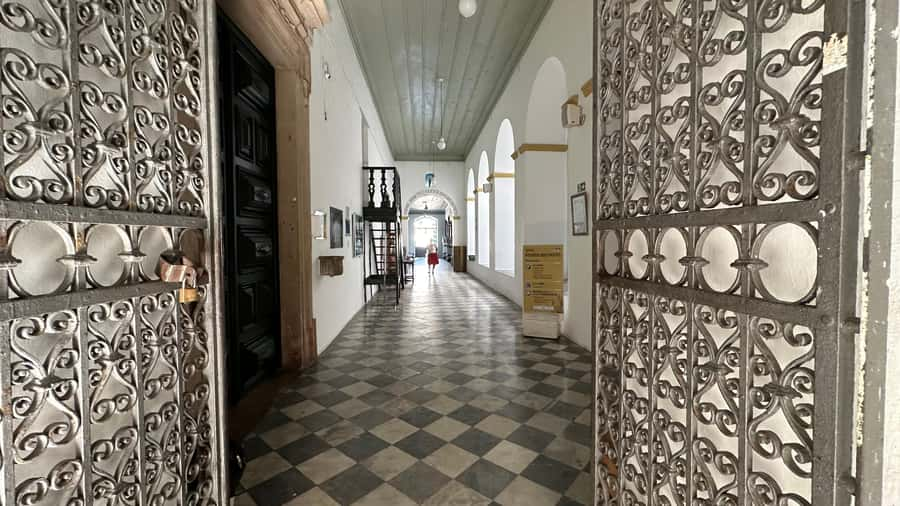
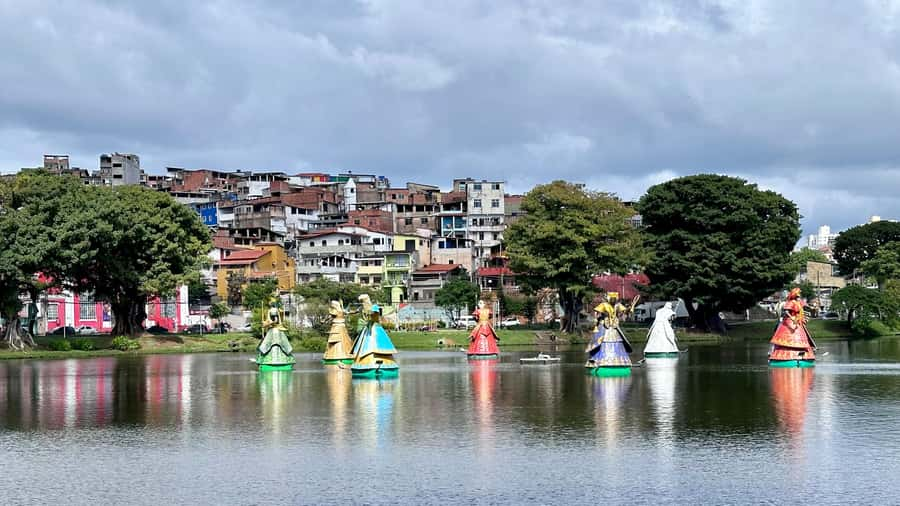
Dique do Tororó is included as a short stop of about 20 minutes, with time for photographs and a guided explanation. It gives you a chance to pause, see another part of Salvador, and connect the city’s public spaces with its cultural identity.
The brief timing suggests that this is a scenic and interpretive stop rather than a long visit. You’ll have time to look around and take photographs, but you should not plan on an extended walk or relaxed meal here.
This stop also helps break up the more concentrated museum and religious visits. Four hours can pass quickly when every stop carries historical weight. A short outdoor pause makes the route easier to follow and gives you a visual change of pace.
Finishing in Pelourinho
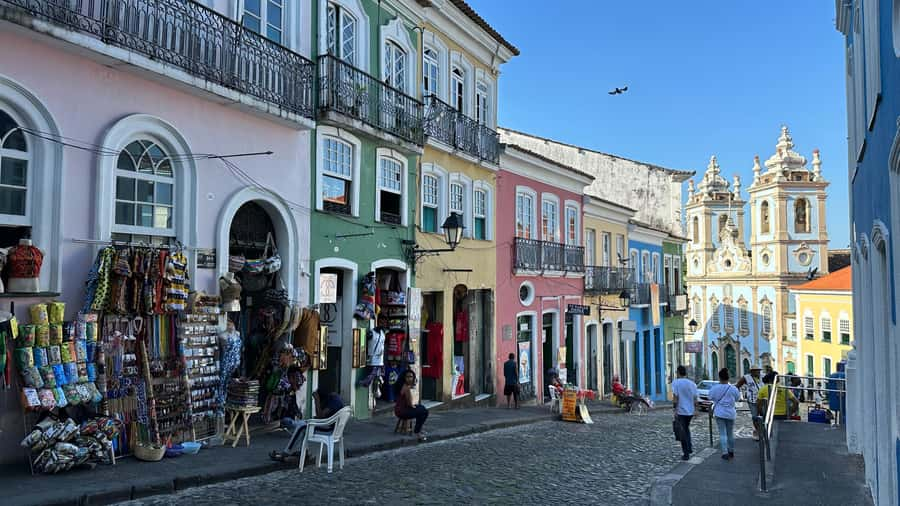
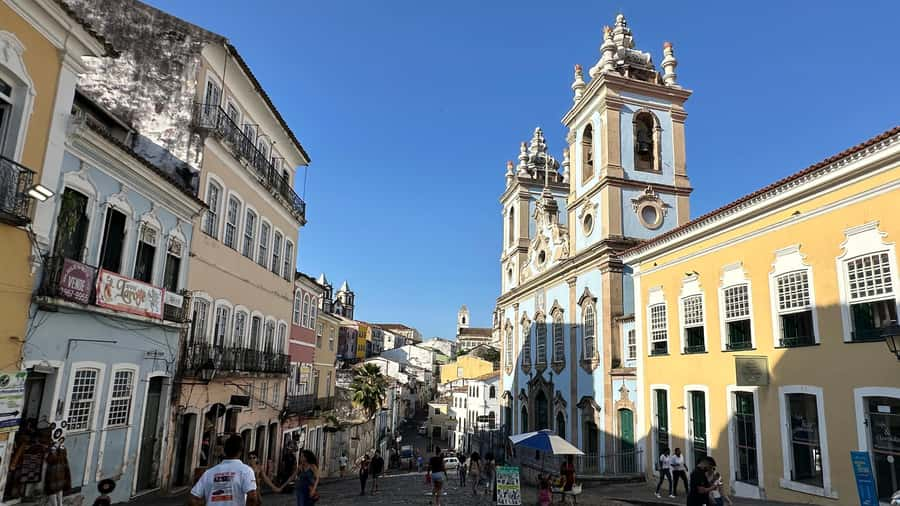
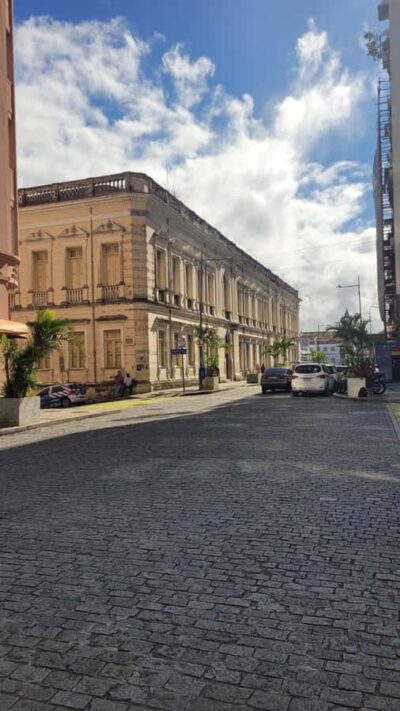
The final major stop is Pelourinho, Salvador’s famous historic district. You’ll have about 45 minutes for a guided visit, photography, and a look at the streets where the city’s colonial and Afro-Brazilian stories meet.
Pelourinho is familiar to many people planning a first visit to Salvador, but the tour gives it a different frame. Instead of treating the district as a collection of attractive facades, your guide can connect it to slavery, religion, music, social change, and the growth of Salvador’s Black communities.
This is a useful way to end the experience because the earlier stops give you more to notice. You may look at a church, street, or public square with a clearer understanding of the forces that shaped it. The district also supplies some of the tour’s best opportunities for photographs.
Keep your expectations realistic. Forty-five minutes is not enough to cover every corner of Pelourinho, and this tour is not designed as a full historic-center walk. Think of it as a focused visit tied to the African and religious themes of the day.
What the guide and vehicle add to the experience
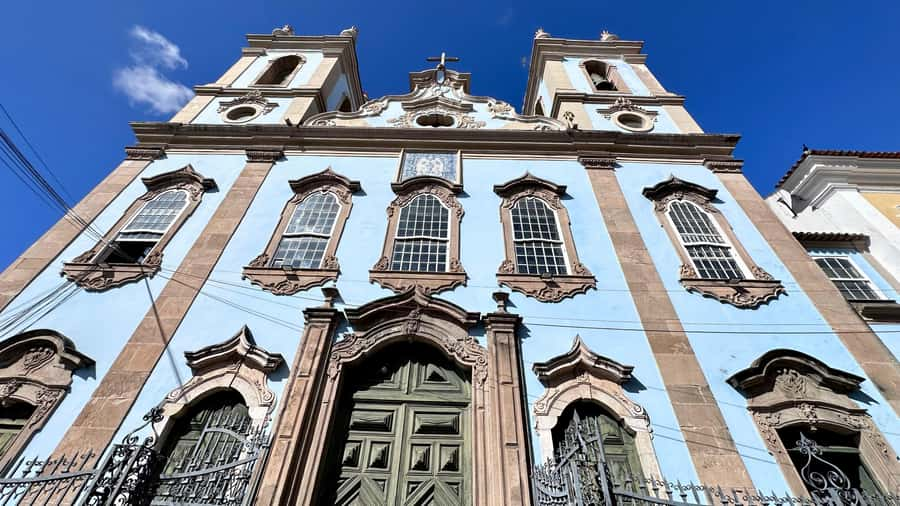
Pickup and drop-off are provided from your hotel lobby in Salvador City, and the tour uses an air-conditioned vehicle. That matters in Salvador, where moving between separate sites can take energy, especially when you are also walking in the heat.
The group is private and limited to six people. This makes it easier to ask about sensitive subjects without competing with a busload of people. It also allows some adjustment to your interests. One particularly strong account described Nilson adapting the tour to personal needs and offering ideas for other things to do in Salvador.
Several guides have received specific praise for their explanations. Monia was described as warm and full of information, Fernando as excellent, and Maria Nunes as clear and highly detailed. Nilson was noted for impressive knowledge of Bahia’s culture and for showing places that a first-time visitor might not find alone.
The guide languages are English, Spanish, French, Italian, and Portuguese. If you need a specific language, confirm it at booking rather than assuming every departure will offer all five.
The driver and guide work as a team, according to the information available. That can make the vehicle transfers feel more relaxed, though one booking reported a traffic accident involving the back of the taxi. This appears to have been an isolated problem, but it is fair to remember that road travel always carries some risk.
Price, entry fees, and practical value
At $110 per person, the tour costs more than a standard group sightseeing outing. You are paying for a private experience, a maximum of six people, hotel or port transfers, an air-conditioned vehicle, and a guide who can interpret a difficult subject in more than one language.
I think the price makes the most sense for first-time visitors who want a focused introduction to Afro-Brazilian culture and do not want to arrange several museums and community visits independently. It is less attractive if you mainly want a general city tour or a long visit at each site.
There is one practical issue to clear up before you go. Entrance fees are listed as included, but one booking reported that not every entry was covered and that an extra 20 reais per person was requested. Since the standard information and actual experience do not fully match, ask the provider to confirm exactly which admissions are included.
Food and drinks are not included. The four-hour duration means you probably do not need a full meal during the tour, but bring water and plan around the pickup time. No meal stop is listed.
Free cancellation is available up to 24 hours before departure, and you can reserve now while paying later. Starting times depend on availability, so check the schedule before building the rest of your Salvador plans around it.
Who should book this Salvador experience?
I would recommend the tour to you if you want more than a sightseeing checklist and are interested in the African roots of Bahia, religious traditions, slavery, cultural survival, and local community life. The private format is especially useful if you enjoy asking questions or want the guide to adjust the pace and emphasis.
It is also a good fit if you have only a short time in Salvador but want to connect several important themes in one half-day. You’ll see museums, a gallery, a neighborhood, a terreiro, Dique do Tororó, and Pelourinho without arranging separate transport.
I would think twice if your main aim is a slow museum visit, extensive free time, or a conventional architecture tour. The schedule is compact, and the subject demands attention. You should also be comfortable entering a religious space with strict clothing rules and treating the setting respectfully.
Should you book the Candomblé Mysteries Tour?
Book it if you want Salvador explained through its African and Indigenous roots rather than only through colonial buildings and viewpoints. The strongest parts are the small group, the community connection, the terreiro visit, and the guides’ ability to tie slavery, religion, and modern Salvador together.
Before paying, confirm the exact entry-fee policy, the guide language, and the added price for the sacred oracle consultation if that interests you. Wear clothing that covers your knees and shoulders, and approach the religious stops with curiosity rather than spectacle.
For the right audience, this is a thoughtful and unusually focused way to understand Bahia. It may not show you every major sight, but it can change how you read the sights you see afterward.
FAQ
How long does the Candomblé Mysteries Tour last?
The tour lasts four hours.
What is the price?
The listed price is $110 per person.
Is hotel pickup included?
Yes. Pickup and drop-off are provided from your hotel lobby in Salvador City. Port pickup and drop-off are also listed as included.
How many people can join the tour?
The experience is a private group limited to a maximum of six people.
Which languages are available?
Live guides may provide the tour in English, Spanish, French, Italian, or Portuguese.
What places are visited?
The route includes the Afro-Brazilian Museum, Pierre Verger Gallery, Dique do Tororó, a maroon-community area, a Candomblé terreiro, and Pelourinho.
Is the sacred oracle consultation included?
No. The sacred oracle consultation is optional and costs extra.
Are food and drinks included?
No. Food and drinks are not included in the price.
What should I wear?
You must cover your knees and shoulders at places of worship and selected museums. Shorts and sleeveless tops are not allowed, and entry may be refused if you do not follow the dress code.
Can I cancel for a refund?
Yes. You can cancel up to 24 hours in advance for a full refund. You can also reserve now and pay later.
Just added around Salvador
- Salvador: Schooner Cruise with Pickup and Itaparica Stop★ 3.8 · 5 reviews
- Salvador: Traditional Drumming and Percussion Workshop★ 4.4 · 10 reviews
- Salvador: Cultural Treasure – Samba de Roda.★ 4.9 · 51 reviews
- Salvador by Night: Cultural Show and Dinner.★ 4.4 · 17 reviews
- Salvador: 3-Hour Percussion Class★ 4.9 · 10 reviews
- Salvador by Night: Cultural Dinner and Show★ 4.7 · 27 reviews
- Salvador: Caipirinha Masterclass with Unlimited Drinks★ 4.2 · 4 reviews
- Salvador, Bahia: A amazing Walking Tour!★ 5.0 · 14 reviews
Afro-Brazilian Heritage Tours, compared.
Explore Little Africa : Unveiling Afro Heritage in Rio de Janeiro
Read our review →
Afro-Brazilian Roots Private City Tour in Salvador
Read our review →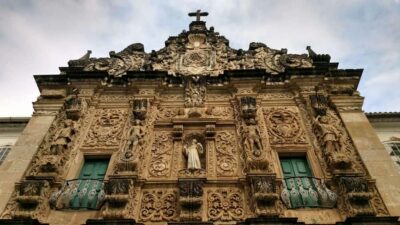
Browse the lists this tour appears in