
Reviewed · SAMBA EXPERIENCES
Salvador: Cultural Treasure – Samba de Roda.
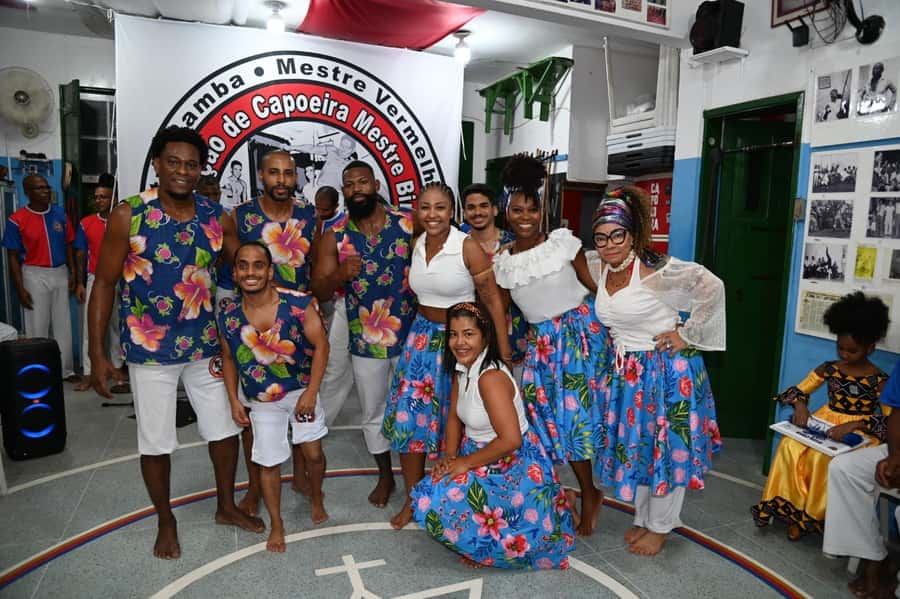
Samba here is more than a dance class. You learn the basic steps inside Associação de Capoeira Mestre Bimba, the first capoeira school in Brazil, founded in 1937 by Mestre Bimba, creator of Capoeira Regional. That setting gives the hour real cultural weight.
I like the clear English instruction and the way the class connects footwork with Salvador’s Afro-Brazilian history. I also like that you need no partner and no dance background. Yasmin and Yasmine are patient, encouraging teachers, and beginners can make real progress in an hour.
The main consideration is time. One hour passes quickly, so this is an introduction rather than a full dance course. You also need to reach the school yourself, with no pickup service.
Key points to know before booking
- Learn samba in Mestre Bimba’s 1937 capoeira school, a place tied directly to Salvador’s cultural story.
- Expect a beginner-friendly lesson with basic steps, body movement, rhythm, and time to practice.
- English and Portuguese are available, with Yasmin or Yasmine often leading the class.
- No partner is required, so solo visitors can book without worry.
- Plan for a little exercise, since the class can leave you smiling and sweating.
- Meet at Associação de Capoeira Mestre Bimba, close to Ó Pai Ó Restaurante and São Domingos Gusmão Church in Largo do Terreiro de Jesus.
Why this samba class feels different
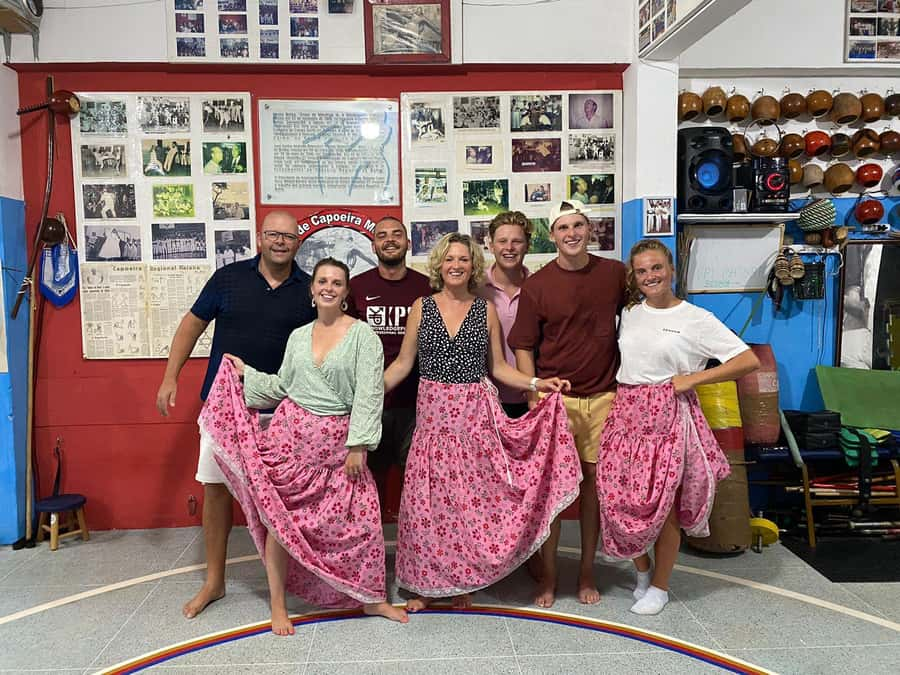
Many dance classes could take place in any studio. This one could not. The address is part of the lesson.
Associação de Capoeira Mestre Bimba was founded in 1937 by Mestre Bimba, the creator of Capoeira Regional. The school became an important place of cultural resistance in Salvador, preserving Afro-Brazilian traditions at a time when practices such as capoeira and Candomblé were treated with suspicion and, in some cases, criminalized.
That background matters because samba did not begin as a polished stage show. It grew from Afro-Brazilian communities in Bahia in the late 19th century. Over time, it moved from something persecuted to a powerful symbol of Brazil. UNESCO now recognizes samba as an Intangible Cultural Heritage of Humanity.
You will not get a university lecture. You will get useful context while learning to move. The instructor explains how samba relates to Brazilian music, dance, capoeira, and Salvador’s past. That makes the steps easier to remember because you understand what they represent.
I especially like this combination of place, movement, and explanation. You are not simply copying a dance routine in a rented room. You are learning in a school connected to one of Brazil’s best-known capoeira figures.
More samba nights and rehearsals in Salvador:
- Salvador: Cultural Night of Capoeira, Samba, and Drumming
★ 4.9 · 17 reviews - Rio de Janeiro: Beginner Samba Lesson in Ipanema
★ 4.9 · 1,071 reviews - Rio: Pub Crawl in Lapa with Cachaça Tasting and Live Samba
★ 4.7 · 881 reviews
Arriving at Largo do Terreiro de Jesus
You meet at Associação de Capoeira Mestre Bimba, with no hotel pickup. The school is in the Largo do Terreiro de Jesus area, and two useful nearby landmarks are Ó Pai Ó Restaurante and São Domingos Gusmão Church.
Give yourself enough time to find the meeting point. The supplied directions identify the general area and landmarks, but you should still confirm the exact arrival instructions before leaving. One participant particularly appreciated receiving practical directions by WhatsApp, so contacting the provider ahead of time is sensible if you have any doubt.
This is a central part of Salvador, which makes the class easy to pair with sightseeing in the historic area. You can build it into a day of exploring churches, squares, and cultural sites instead of making a special long trip across the city.
There is no transport service included, so the value depends partly on how convenient the location is for your plans. If you are already spending time around Largo do Terreiro de Jesus, the meeting point is a practical choice. If you are staying elsewhere, allow time for your own route and do not assume a pickup will be arranged.
The first steps: a friendly start for beginners
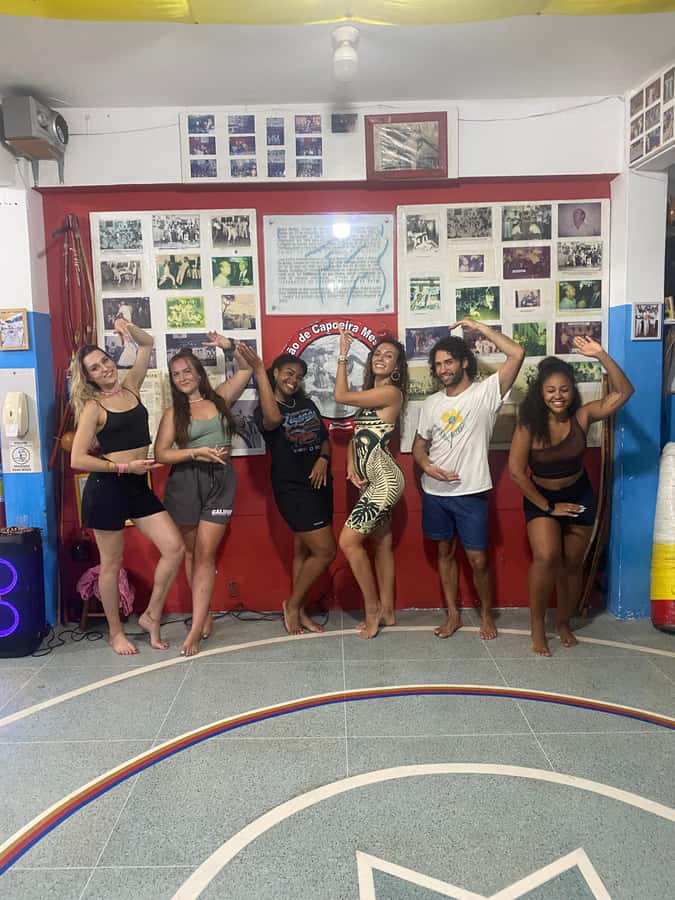
The class begins with the basics. You learn how to place your feet, follow the beat, and let the body respond to the music. The instructor demonstrates the movements, then gives you time to repeat them.
That sounds simple, but samba can feel unfamiliar at first. The challenge is not only moving your feet. You are also learning a relaxed rhythm and a different way of carrying your weight. A good instructor makes a major difference here, and the teaching style described for Yasmin and Yasmine is calm, patient, and encouraging.
You do not need to arrive with dance experience. You also do not need to find a partner. That makes the class a good choice for solo visitors, couples, parents with older children, and friends who want something more active than a museum visit.
The lesson is designed for people who may feel awkward at first. You can make mistakes without being expected to perform. One useful sign of a well-run beginner class is that the instructor gives you enough structure to improve without making the hour feel like a test.
Learning with Yasmin or Yasmine
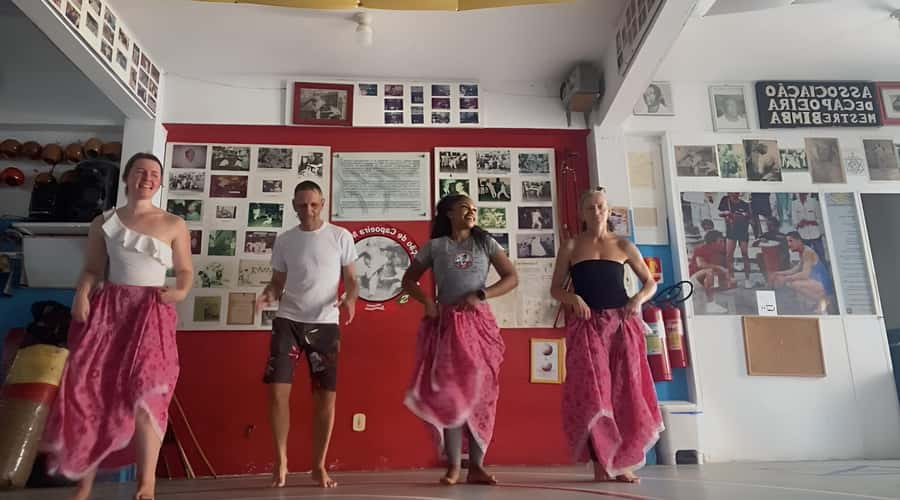
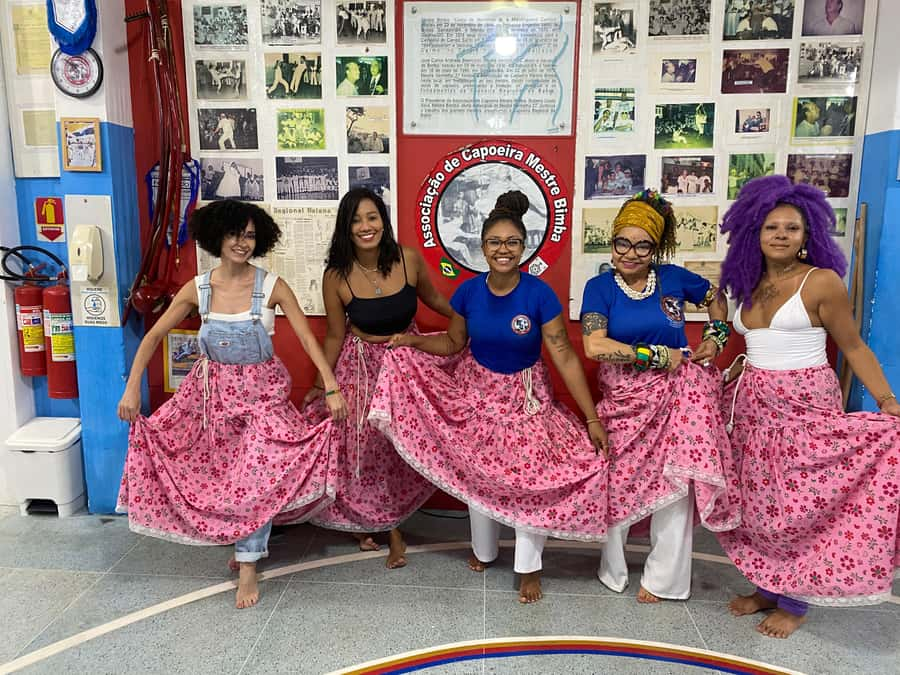
The instructor name appears as Yasmin or Yasmine in the available information. She is repeatedly described as clear, kind, patient, and full of positive energy. Several participants found that her approach helped them relax quickly, especially those who had never danced samba before.
That matters more than fancy choreography. In a one-hour lesson, you need someone who can break the movement into small parts, watch how you are doing, and keep the mood light. The teaching here seems to focus on making the steps usable, not showing off.
You also receive instruction in English, with Portuguese available. Fluent English helps you follow both the dance demonstrations and the cultural explanations. If you speak Portuguese, you can also communicate in that language.
The best result you can expect is not professional-level samba. It is a small set of basic movements that lets you join the rhythm with more confidence. One parent and teenage stepdaughter found the class accessible together, while another beginner said that an hour provided enough moves to connect with the music. That is a realistic goal for this activity.
A few more Salvador days to weigh up
- From Salvador: Schooner Tour to Frades Islands and Itaparica
★ 3.9 · 98 reviews - Afro-Brazilian Roots Private City Tour in Salvador
★ 4.7 · 88 reviews - Salvador Historic Walking Tour – Pelourinho
★ 4.8 · 62 reviews - Salvador de Bahia African Culture Tour
★ 4.5 · 60 reviews
Samba, capoeira, and Salvador’s Afro-Brazilian story
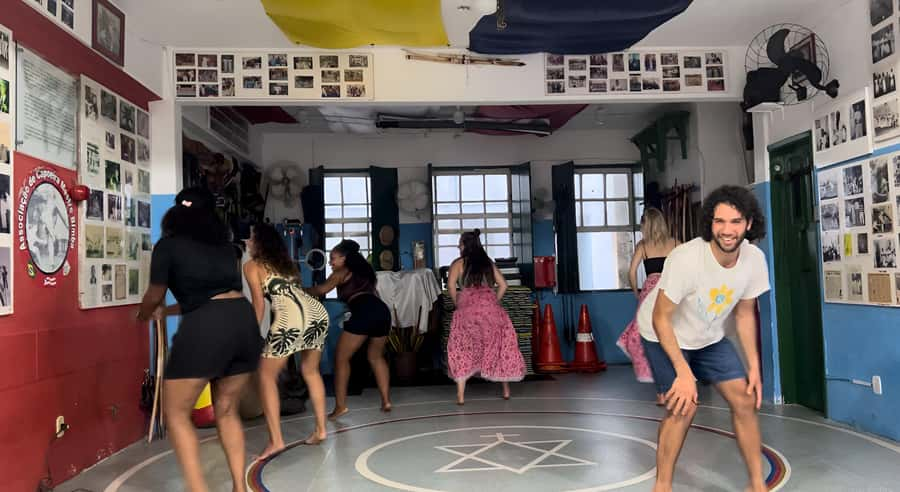
The class explains the link between samba and capoeira, two traditions shaped by Afro-Brazilian communities. The connection gives the lesson more depth than a standard dance workout.
Capoeira combines movement, music, and cultural memory. Samba also carries music, rhythm, social expression, and a long story of resistance. At Mestre Bimba’s school, those subjects belong together. You learn the dance in a place where cultural preservation is not an abstract idea but part of the school’s identity.
Mestre Bimba founded the school in 1937 and developed Capoeira Regional. The school was regarded as a major center of resistance and a place where cultural traditions could continue despite official suspicion. Walking into that setting gives you a clearer sense of why dance and music matter in Salvador.
The instructor also discusses how African cultural expressions were once criminalized or treated as dangerous. That context helps you avoid seeing samba as only a party dance. It is joyful, but it also carries a difficult and important past.
This is one of the strongest reasons to book the class. If you only want to learn a few moves, you can do that. If you want to understand why the moves matter, the setting and explanation give you much more.
What the one-hour schedule is really like
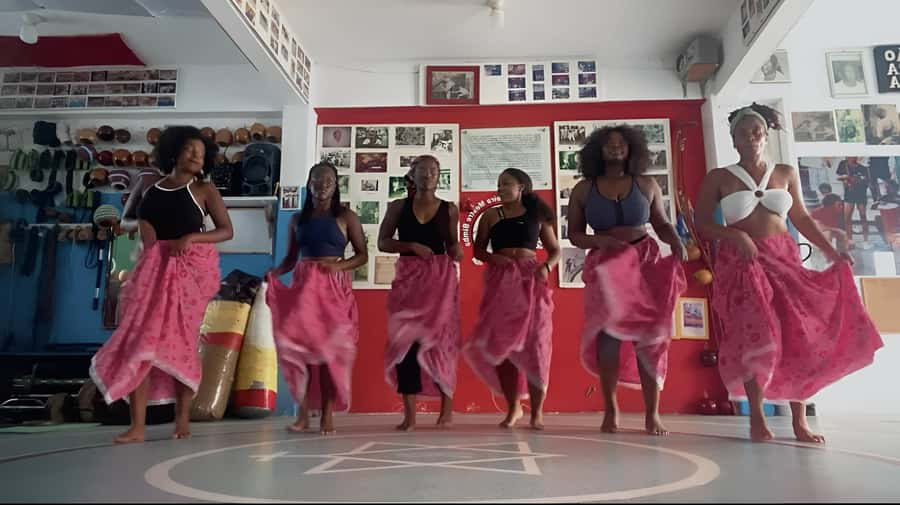
The experience lasts one hour, so expect a compact introduction rather than a long workshop. The time likely includes historical explanation, demonstration, practice, and repeated movement as you build confidence.
The class has a useful rhythm. You listen, try the step, correct it, then repeat it with music. As the lesson develops, the separate movements begin to feel less mechanical.
Because the session is short, the instructor has to keep things moving. You may not spend a long time on each step, and you should not expect a complete samba routine by the end. The benefit is that the hour stays focused and manageable.
The physical effort can be more than you expect. One combined capoeira and samba booking was described as a great workout, and even the samba class alone can leave beginners sweating. Wear clothing that lets you move comfortably and be ready for an active hour, but do not mistake this for a demanding fitness class.
A useful tip is to avoid packing the rest of your day too tightly. You will still have plenty of time for other activities, but leaving a little breathing room is wise if you want to linger over the cultural setting or add another class.
How much value do you get for $43?
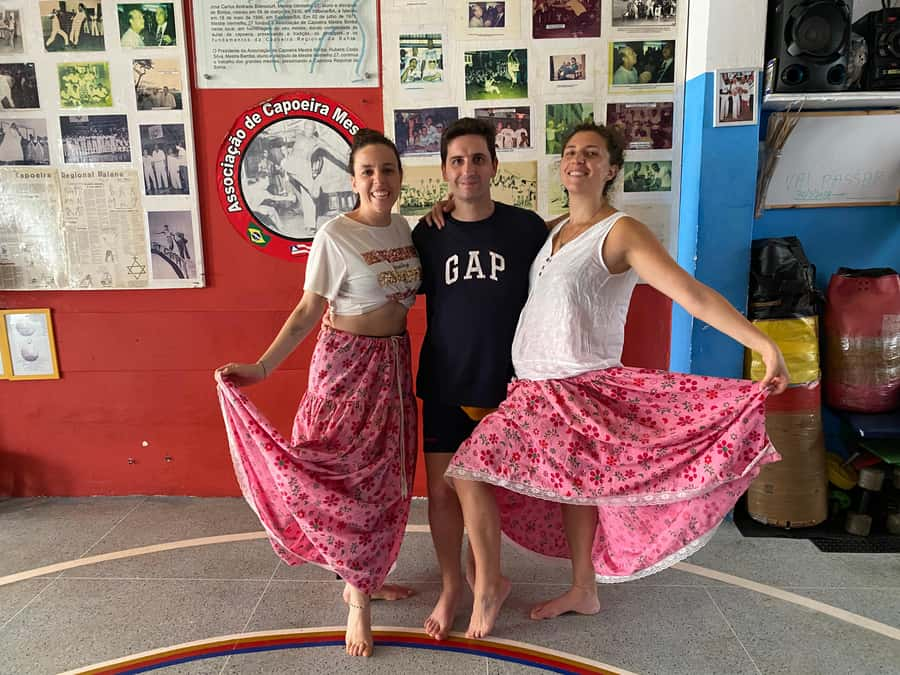
At $43 per person, the price is reasonable if you value instruction and cultural context, not just entertainment. You are paying for a private cultural activity lasting one hour, an English-speaking instructor, access to a historically important capoeira school, and an introduction to samba’s basic movements.
If you measure value by minutes alone, the class is not cheap. A one-hour activity can feel brief, especially if you have paid for transport to reach the meeting point. But the setting changes the calculation. This is not an ordinary dance studio, and the historical explanation gives the class an educational side.
The price also makes more sense for people who want an easy first step into Salvador’s culture. You do not need to commit to a long course, buy special equipment, or bring a partner. You can try the activity, learn a few movements, and decide if you want to book another class.
One participant who expected a single introduction ended up booking another class. That possibility is worth keeping in mind, but do not book this expecting a full multi-session training program. Think of it as a well-focused introduction with cultural background.
Who will enjoy it most
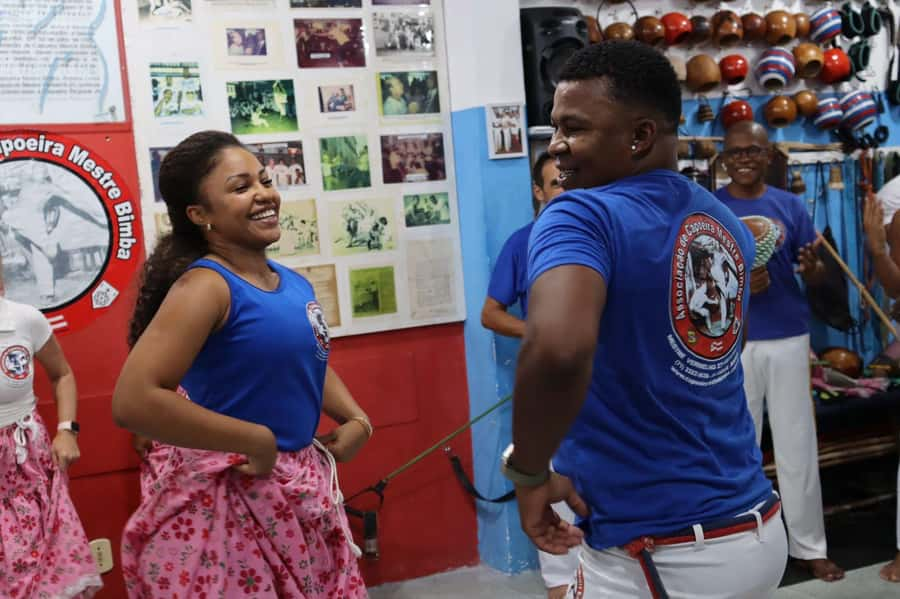
This class suits you if you want an active cultural experience in Salvador and prefer doing something rather than only looking at buildings. It is especially useful early in a trip, when you are still getting your bearings and want a direct introduction to local music and history.
It works well for:
- First-time dancers who want patient instruction
- Solo visitors who do not have a partner
- Couples looking for a shared activity
- Families with older children or teenagers
- Visitors interested in capoeira, samba, or Afro-Brazilian culture
- People who prefer a short activity that fits around sightseeing
The class may be less suitable if you want advanced choreography, a long performance, or a large social party. It is an instructional session first. The fun comes from learning and participating.
You should also respect the venue. This is not just a backdrop for photographs. The school has deep cultural importance, so listen carefully to the instructor and treat the space with care.
Practical planning for your Salvador day
Since pickup is not provided, place the class into a day when you will already be near Largo do Terreiro de Jesus. Use Ó Pai Ó Restaurante or São Domingos Gusmão Church as nearby reference points, then confirm the precise meeting details.
The activity is available in English and Portuguese. If you have concerns about finding the school or getting around, contact the provider before the class. WhatsApp communication has been useful for practical arrival information.
The class can also be paired with a capoeira lesson. One participant who took both activities described the combination as a strong workout. If you plan to add capoeira, allow more physical recovery time and wear suitable clothing.
Cancellation is flexible enough for ordinary itinerary changes. You can cancel up to 24 hours before the activity for a full refund, and the reserve-now, pay-later option lets you hold a place without paying immediately. Check the available starting times because the class lasts one hour and schedules can vary.
What the high rating tells you, and what it does not
The activity has a 4.9 rating from 51 reviews, with especially strong praise for the teaching, the historical explanation, and the welcoming atmosphere. Yasmin and Yasmine receive repeated credit for being patient, clear, calm, and encouraging.
The most useful pattern is that beginners feel comfortable. People who had never learned samba were able to pick up basic steps, enjoy the music, and leave with enough movement to keep practicing. Families and couples also found the class easy to share.
The high rating does not mean every person will become a confident dancer in one hour. If you are shy about movement, you may still feel awkward at first. If you already dance samba, the class may feel too basic.
That is not a flaw. The experience is built for an introduction. Its strongest feature is the combination of a friendly teacher and a meaningful place, not technical training for experienced dancers.
Should you book this samba class?
Book it if you want a short, active introduction to Salvador’s culture and like the idea of learning inside a significant capoeira school. The English instruction, no-partner policy, and beginner-level steps remove the main barriers. The history of Mestre Bimba, samba, capoeira, and Afro-Brazilian cultural resistance gives the hour substance.
I would especially recommend it near the start of your Salvador visit. You will learn about local traditions, get a little exercise, and gain a more personal connection to the music you hear around the city.
Skip it if you want a long class, advanced technique, or a performance with no instruction. Also think twice if reaching the meeting point without pickup would be inconvenient.
For most visitors, $43 is fair for a one-hour lesson in a historically important setting, led in English by a patient instructor. You may not leave as a samba expert, but you should leave with a few real steps, a better sense of the rhythm, and a clearer understanding of why this dance matters.
FAQ
How long does the samba class last?
The class lasts one hour. Check the available starting times when booking.
How much does the experience cost?
The price is $43 per person.
Is the class suitable for complete beginners?
Yes. No dance experience is necessary, and the lesson teaches the basic samba steps.
Do I need to bring a dance partner?
No. A partner is not required.
Is the instructor fluent in English?
Yes. The instructor speaks English and Portuguese, and English is used for the lessons and cultural explanations.
Where does the class meet?
The meeting point is Associação de Capoeira Mestre Bimba. Nearby landmarks include Ó Pai Ó Restaurante and São Domingos Gusmão Church in Largo do Terreiro de Jesus.
Is hotel pickup included?
No. You need to make your own way to the meeting point.
Can I cancel the booking?
Yes. You can cancel up to 24 hours in advance for a full refund. You can also reserve now and pay later.
Just added around Salvador
- Salvador: Schooner Cruise with Pickup and Itaparica Stop★ 3.8 · 5 reviews
- Salvador: Traditional Drumming and Percussion Workshop★ 4.4 · 10 reviews
- Salvador by Night: Cultural Show and Dinner.★ 4.4 · 17 reviews
- Salvador: 3-Hour Percussion Class★ 4.9 · 10 reviews
- Salvador by Night: Cultural Dinner and Show★ 4.7 · 27 reviews
- Salvador: Caipirinha Masterclass with Unlimited Drinks★ 4.2 · 4 reviews
- Salvador: 4-Hour Candomblé Mysteries Tour★ 4.3 · 34 reviews
- Salvador, Bahia: A amazing Walking Tour!★ 5.0 · 14 reviews
Samba Experiences, compared.
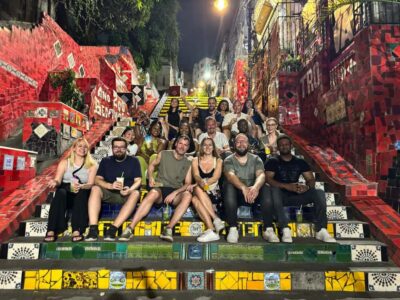
Pub Crawl in Lapa with Cachaça Tasting and Live Samba
Read our review →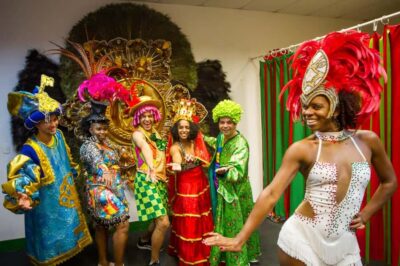
Carnival Backstage Tour at Samba City with Cocktail
Read our review →
Ginga Tropical – Brazilian Samba and Folklore Show
Read our review →
Pedra do Sal: Live Samba Night with Local Guide & Drink
Read our review →
Browse the lists this tour appears in