
Reviewed · WALKING TOURS
Salvador, Bahia: A amazing Walking Tour!
Salvador’s past is written into its steep streets, painted façades, churches, music, and public squares. This private three-hour walk takes you from the Lacerda Elevator through Rua Chile, the Cathedral Basilica, Pelourinho, and Santo Antônio Além do Carmo, with a guide who can explain the city’s colonial era and Afro-Brazilian culture as you go.
I like the private format, which lets you ask questions and set a comfortable pace, and I like that local drinks are included rather than treated as an extra. Guides such as Gustavo and Wanderley are praised for their language skills, warm manner, and clear explanations. The main drawback is the amount of walking on historic streets, and the information gives mixed signals about accessibility: the activity is marked wheelchair accessible but also says it may not suit people with mobility impairments.
Key points to know
- Three hours through Salvador’s historic core: The route links the Lacerda Elevator, Rua Chile, the Cathedral Basilica, Pelourinho, and Santo Antônio Além do Carmo.
- A truly private outing: You get a multilingual guide and private group rather than a large shared walk.
- Guides with strong language skills: English, Portuguese, Spanish, French, German, Italian, and Dutch are offered. Gustavo and Wanderley are named in particularly positive feedback.
- Local flavor included: Tastings of alcoholic and non-alcoholic drinks are part of the price, including a stop at O Cravinho.
- Tickets are partly covered: Elevator and Cathedral Basilica admission are included, but museums and other cultural spaces cost extra.
- A walking tour with physical demands: Bring sun protection and expect historic streets, uneven ground, and a fair amount of time on foot.
Starting above Salvador at the Lacerda Elevator
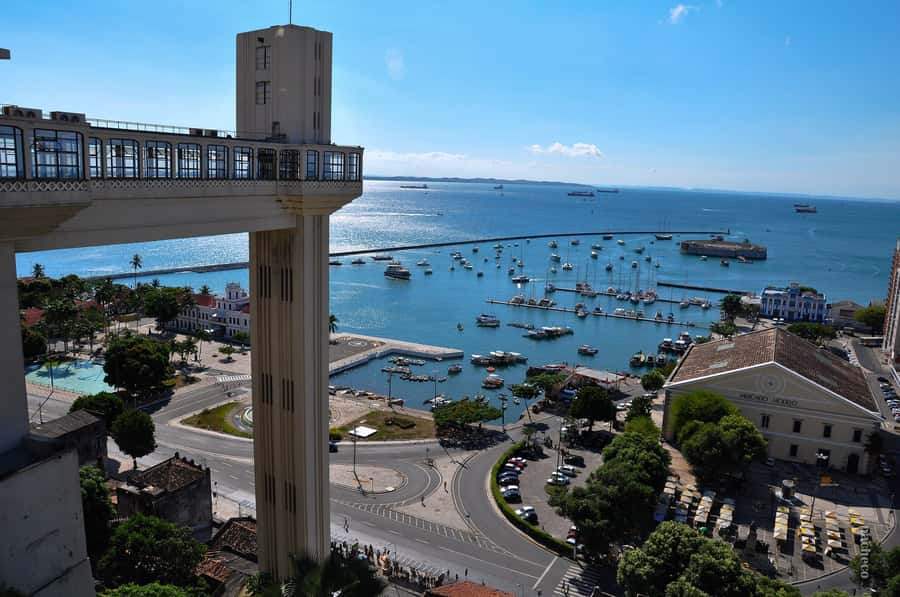
The tour begins at the Elevador Lacerda, one of Salvador’s best-known landmarks and a useful meeting point between the Lower City and Upper City. The first part includes guided sightseeing around the elevator, with about 30 minutes set aside for orientation and views.
Your guide can place Salvador’s old center in context before the walk gets busy with details. This matters because the historic district is not just a collection of pretty façades. It reflects the city’s role in colonial Brazil, its former importance as the country’s capital, and the meeting of Portuguese, African, and Brazilian traditions.
Tickets for the Lacerda Elevator are included. That keeps the opening simple and means you are not stopping to sort out a separate admission. Since the tour returns to the same area, the starting point also makes practical sense if you want to continue sightseeing on your own afterward.
The elevator itself is a short experience rather than a major attraction that fills an afternoon. The value comes from pairing it with the guide’s explanation and the walk that follows. If you want a full historical introduction to Salvador in a compact format, this is a strong beginning.
More walking tours in Salvador:
- Salvador Historic Walking Tour – Pelourinho
★ 4.8 · 62 reviews - Salvador: Walking Tour Through Pelourinho
★ 5.0 · 49 reviews - Rio de Janeiro: Rocinha Favela Walking Tour with Local Guide
★ 4.8 · 3,052 reviews
Rua Chile and the city’s colonial face
From the elevator, the route moves toward Rua Chile, described as the first street in Brazil. You will see historic buildings tied to Salvador’s government and colonial roots, including the Rio Branco Palace.
This section helps you read the city rather than simply photograph it. Colorful mansions and old civic buildings show how power was organized in colonial Salvador. The guide’s role is important here because the visual details alone do not explain why these buildings matter.
The walk from one stop to another is short, with roughly 10 minutes listed for part of this section. That gives the tour a natural rhythm: a little explanation, a little walking, then another focused stop.
The buildings are not presented as isolated monuments. They form part of a working historic center, and your guide can connect architecture with Salvador’s political and social past. Previous visitors singled out the detailed explanations of buildings and the period when Salvador served as Brazil’s capital. That makes this part especially useful for anyone who wants more than a quick photo stop.
The Cathedral Basilica and Salvador’s church heritage
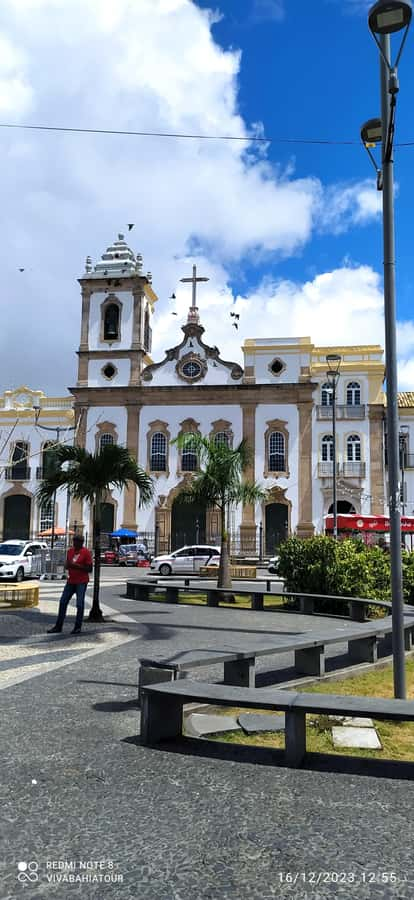
The Cathedral Basilica of Salvador receives about 30 minutes, including a guided visit. Admission is included, which is helpful because this is one of the tour’s main interior stops.
The cathedral gives you a chance to shift from streets and façades to religious art and architecture. Salvador has many churches, and a guide can help explain why they are central to the city’s identity. You will not simply walk past the building and move on. The planned time allows for a closer look and questions.
This is also where a strong guide can make a major difference. Specific praise has focused on explanations of the cathedral and Salvador’s history, not just on the guide’s friendliness. Gustavo, in particular, is described as bringing the city to life through stories about landmarks, local society, and daily rhythms.
Keep your expectations sensible. The tour does not include admission to every church, museum, or cultural center in the district. The Cathedral Basilica is covered, but other interiors may require extra payment if you choose to visit them during or after the walk.
Nossa Senhora do Rosário dos Pretos and Afro-Brazilian culture
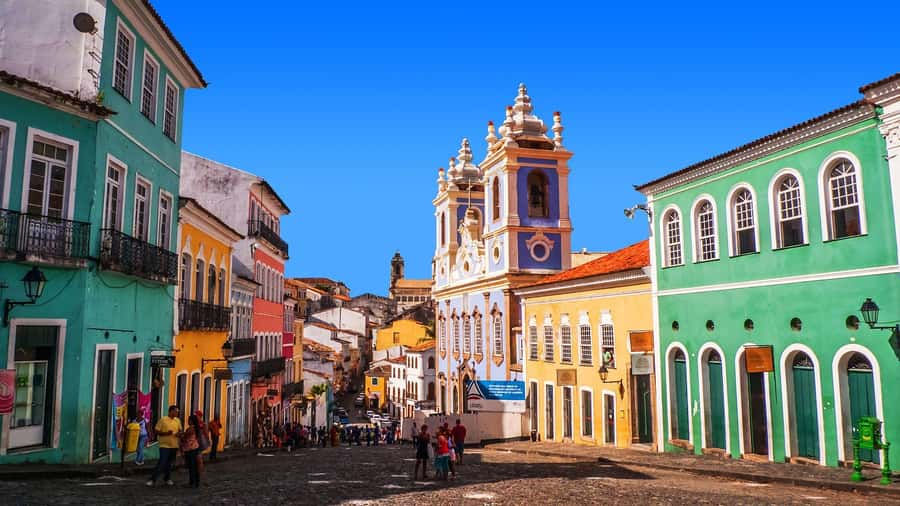
The route includes the Church of Nossa Senhora do Rosário dos Pretos, a key place to connect Salvador’s religious life with its African heritage. The supplied details do not specify a separate admission fee or exact time inside this church, so treat it as part of the guided route rather than assuming a lengthy interior visit.
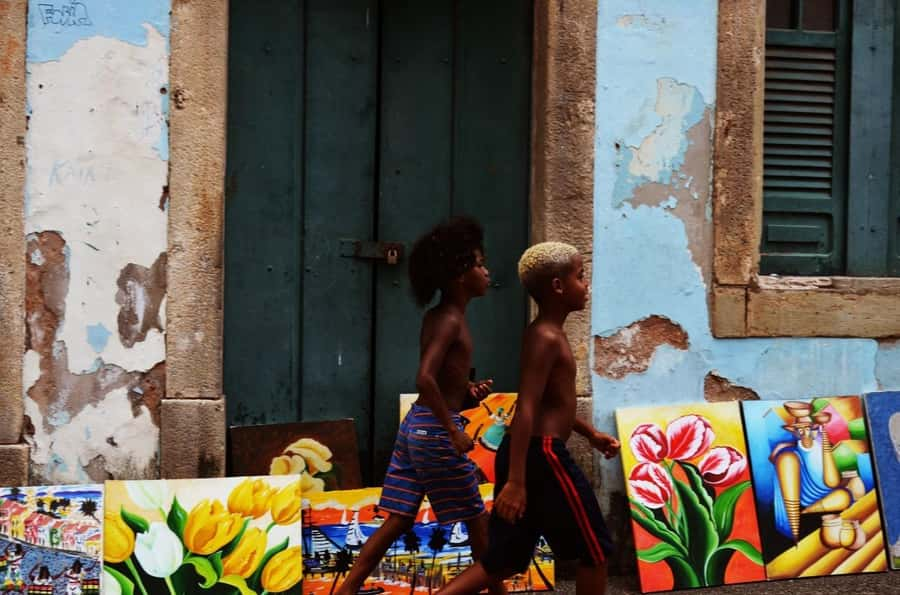
This is one of the most meaningful parts of the experience because Salvador’s story cannot be told only through colonial government buildings. The city’s music, religious traditions, and public culture also come from Afro-Brazilian history. One guide was specifically praised for explaining that subject in several languages.
I would pay close attention here and ask questions. A private tour gives you room to ask about cultural practices, music, architecture, and the relationship between religious spaces and the wider community. Those questions can turn a standard sightseeing route into a more personal lesson in Bahia.
A few more Salvador days to weigh up
- From Salvador: Schooner Tour to Frades Islands and Itaparica
★ 3.9 · 98 reviews - Afro-Brazilian Roots Private City Tour in Salvador
★ 4.7 · 88 reviews - Salvador de Bahia African Culture Tour
★ 4.5 · 60 reviews - Salvador: Praia Do Forte and Guarajuba Beach Day Trip
★ 4.1 · 56 reviews
O Cravinho adds a small taste of Bahia
The stop at O Cravinho lasts about 20 minutes and includes spirits or local drink tasting. Both alcoholic and non-alcoholic options are included, so you can take part without drinking alcohol.
This is a welcome change of pace after the churches and civic buildings. O Cravinho is described as a famous, traditional Bahian pub, and the visit gives you a taste of local social life rather than another formal monument. It is a small stop, but it adds character to the route.
The drink tasting is also part of the tour’s value. At $141 per person, you are paying for a private guide and not just a walk between public buildings. Having the tasting included helps the experience feel more like a cultural introduction than a paid history lecture.
Still, do not book this expecting a food tour. The tasting is one brief part of a three-hour walk. If drinks and regional cuisine are your main interest, you would likely want to add a separate food experience.
Pelourinho, music, and the public life of Salvador
The tour spends about 40 minutes in Pelourinho, the historic district most closely associated with Salvador’s music, colorful buildings, and cultural identity. This is the route’s longest single visit.
Pelourinho is also the place where the city’s international profile comes into focus. The area has been associated with performers including Michael Jackson and Paul Simon, as well as Olodum, the major percussion group known for its powerful rhythms. The tour description points to music as a living part of the district, not simply a museum subject.
Your guide can explain why Pelourinho matters to Salvador today as well as during colonial times. Look for the connection between the streets, churches, cultural spaces, and music. The point is not only to collect landmark names. It is to understand why this district remains central to the city’s public image.
The name can create an expectation of a quiet preserved quarter, but this is a city neighborhood with a strong tourist presence. A private guide is useful here because you can ask where to focus your time and how to understand the area beyond the most photographed façades.
Santo Antônio Além do Carmo and the return walk
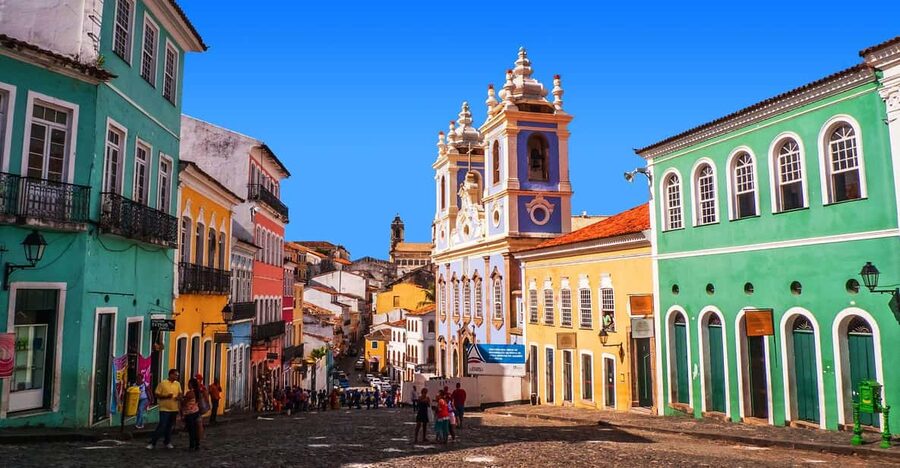
After Pelourinho, the route continues on foot to Santo Antônio Além do Carmo, with about 30 minutes allocated for the walk. This extends the experience beyond the most famous section of the historic center.
The longer walk gives you another view of Salvador’s old neighborhoods and lets the tour finish at a slower pace. Rather than spending all three hours around one square, you see how the historic center changes from one area to another.
The route returns to the Lacerda Elevator. That is convenient if you have transport or another appointment nearby, but you should not expect hotel pickup based on the information provided. You will need to reach the starting point yourself.
Because the tour covers several neighborhoods, wear shoes that you can walk in comfortably. The activity lasts three hours, yet the route includes multiple visits and connecting walks. Add Salvador’s sun and heat, and this is not the time for stiff shoes or a heavy daypack.
What the $141 price means

At $141 per person, this is not a budget group walk. The price makes more sense if you value privacy, guide access, and a planned route through several important sites.
You receive a private multilingual guide, Lacerda Elevator tickets, Cathedral Basilica tickets, and alcoholic and non-alcoholic drink tastings. You are also paying for the guide’s interpretation of the city, which is where the experience appears to earn its keep.
The strongest feedback centers on guides who explain buildings, Salvador’s time as Brazil’s capital, Afro-Brazilian history, and everyday culture. Gustavo is praised for adding cafés, neighborhoods, and corners that many visitors would not notice on their own. Wanderley is praised for speaking several languages and discussing Afro-Brazilian history with depth.
The price is harder to justify if you mainly want a quick orientation or plan to visit only the free streets and squares. Museums and other cultural spaces are not included, so budget extra if those are priorities. A private group can also be poor value for solo visitors on a tight budget, but it becomes more reasonable for two or more people who want personal attention.
Languages, pace, and practical comfort
Live guiding is offered in Dutch, French, English, Portuguese, Spanish, German, and Italian. If language is important to you, confirm your preferred option when booking. The named guides received especially strong praise for communication, so this is a useful feature rather than a minor box on a booking page.
The private format should make it easier to ask questions, pause briefly, or spend more time on a place that interests you. It does not mean you can redesign the entire route. The listed stops are the backbone of the experience, and three hours puts a natural limit on how long you can linger.
Bring sunglasses, a sun hat, and sunscreen. Those are not fussy extras in Salvador. Much of the experience takes place outdoors, and the walking route leaves you exposed to the sun.
The information presents a contradiction about mobility. The activity is marked wheelchair accessible, yet it is also described as unsuitable for people with mobility impairments. Historic streets, inclines, and walking between sites may be the reason for that warning. If you use a wheelchair or have difficulty walking, ask the provider for a precise route and surface description before paying.
People prone to motion sickness are also advised not to take part. Since the tour is a walking experience, that warning may relate to the elevator or local conditions, but the reason is not explained. If this is a concern, ask the provider directly.
Who will enjoy this three-hour route
I would recommend this tour to first-time visitors who want a strong introduction to central Salvador without spending a full day on sightseeing. It suits couples, families, and small private groups who prefer to ask questions freely rather than follow a large crowd.
It is also a good choice if you want cultural context. The route combines colonial buildings, churches, Afro-Brazilian history, music, a traditional pub, and neighborhood walking. That mix gives you a broader picture of Salvador than a simple monument circuit.
The tour may not suit you if you dislike walking, want extensive museum time, or prefer a food-focused outing. It also may not be the best match if you need a fully step-free route, despite the wheelchair-accessible label. Get clarification first.
Free cancellation is available up to 24 hours in advance for a full refund, and you can reserve now and pay later. Those terms give you some flexibility, but they do not replace checking the meeting point, language, and mobility details before booking.
Should you book this Salvador walking tour?
Book it if you want Salvador explained by a private guide who can connect architecture, colonial politics, Afro-Brazilian culture, music, and daily life. The strongest reason to choose it is the guide quality, especially if you can secure someone like Gustavo or Wanderley and use the language service that fits you best.
The $141 cost is fair for a private three-hour experience with two admissions and drink tastings, but it is not the cheapest way to see Pelourinho. Choose it for personal attention and context, not simply transportation between landmarks.
If you are comfortable walking in the sun and want a compact, thoughtful introduction to Salvador’s historic center, this is a good booking. If mobility is limited, ask detailed questions first because the accessibility information is not fully consistent.
FAQ
How long does the walking tour last?
The tour lasts three hours.
Where does the tour start?
It starts at the Elevador Lacerda.
Where does the tour finish?
The route returns to the Elevador Lacerda.
Is the tour private?
Yes. It is offered as a private group experience.
Which languages are available?
Guiding is available in Dutch, French, English, Portuguese, Spanish, German, and Italian.
Are tickets included?
Tickets for the Elevador Lacerda and Cathedral Basilica are included. Tickets for museums and other cultural spaces are not included.
Is a drink tasting included?
Yes. The tour includes tastings of local alcoholic and non-alcoholic drinks, with a visit to O Cravinho.
What should I bring?
Bring sunglasses, a sun hat, and sunscreen.
Can I cancel for a full refund?
Yes. You can cancel up to 24 hours in advance for a full refund. You can also reserve now and pay later.
Just added around Salvador
- Salvador: Schooner Cruise with Pickup and Itaparica Stop★ 3.8 · 5 reviews
- Salvador: Traditional Drumming and Percussion Workshop★ 4.4 · 10 reviews
- Salvador: Cultural Treasure – Samba de Roda.★ 4.9 · 51 reviews
- Salvador by Night: Cultural Show and Dinner.★ 4.4 · 17 reviews
- Salvador: 3-Hour Percussion Class★ 4.9 · 10 reviews
- Salvador by Night: Cultural Dinner and Show★ 4.7 · 27 reviews
- Salvador: Caipirinha Masterclass with Unlimited Drinks★ 4.2 · 4 reviews
- Salvador: 4-Hour Candomblé Mysteries Tour★ 4.3 · 34 reviews
Walking Tours, compared.

Sunrise and Sunrise Walk Two Brothers with Local Guide
Read our review →
Downtown-Center History Walking Tour – in English
Read our review →
Downtown-Center Walking Tour | 2 Hours – English
Read our review →
Learn the History of Rio with an Unforgettable City Center Walking Tour
Read our review →
Rio’s city walking tour: a glimpse of history and olympic legacy
Read our review →Browse the lists this tour appears in