
Reviewed · AFRO-BRAZILIAN HERITAGE TOURS
From Salvador: Quilombo Heritage Daytrip with Lunch
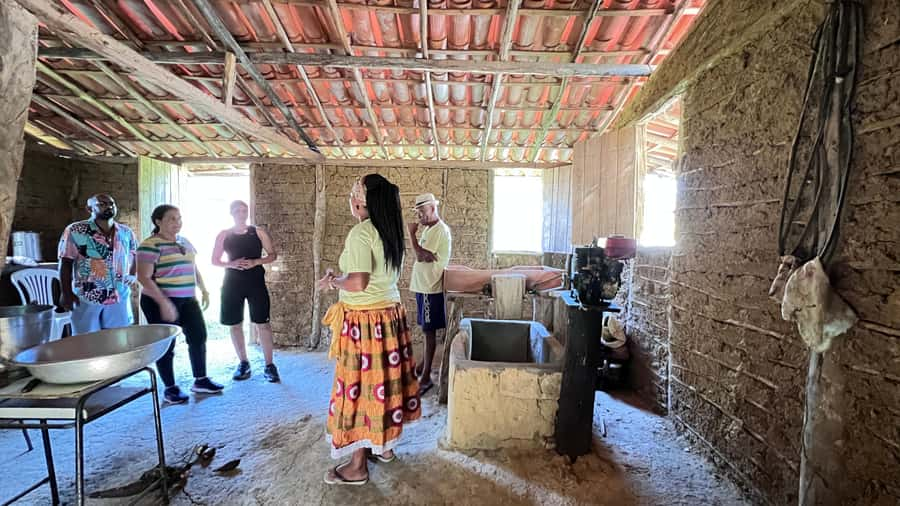
The heart of this day is Quilombo Kaonge, where you learn how manioc becomes the flour that anchors much of Brazilian cooking. You will not just look at a finished product. The plan puts you near the work, with time to speak to a community elder and try parts of the process yourself.
I like the small-group format and the way the day links several pieces of Bahia: Santo Amaro’s sugar economy, African-Brazilian culture, rural farms, and the colonial town of Cachoeira. I also like that lunch is included and that guide Wilson has been singled out for making the day fun and informative. The main caution is value: the demonstrations may feel fairly basic for a $170 tour, especially if you expect a full day of hands-on work.
Key points to know before booking
- Quilombo Kaonge is the main stop: Meet an elder, hear community wisdom, and take part in manioc flour and palm oil production.
- Santo Amaro adds useful context: Walk through Praça da Purificação, the public fair, and old houses tied to sugar production and enslaved labor.
- Cachoeira rounds out the history: Cross the Paraguaçu River and visit the area near the Danneman cigar factory.
- The group is intended to be intimate: The details list a limit of four participants, while the highlights describe a maximum of six, so confirm the final group size when booking.
- Lunch is included, drinks are not: A vegetarian meal is available if requested in advance.
- This is a long day outside Salvador: Allow eight hours, with hotel pickup and drop-off included.
Why the Recôncavo gives this day its meaning
The Bahia Recôncavo curves around the Bay of All Saints and carries a complicated past. Portuguese colonial power, sugar plantations, enslaved African labor, religious traditions, and later struggles for Brazilian independence all meet here.
That context matters because the Quilombola community is not simply a stop chosen for scenery. Quilombos were communities formed by people who escaped enslavement, along with their descendants and others who joined them. Visiting one gives you a chance to learn about a living community rather than only reading about slavery in a museum.
You should expect the guide to connect the road, farms, towns, and people you see with that past. The tour description places special weight on the African legacy visible in local customs and religious life. This is a history day, but it is also a food and community day.
The setting is rural, and the itinerary moves at a different pace from Salvador’s churches and waterfront. If you want a tightly packed sightseeing schedule, parts of this outing may feel slow. If you want to understand where local food comes from and how history still shapes daily life, the slower rhythm is useful.
More Afro-Brazilian heritage walks in Salvador:
- Afro-Brazilian Roots Private City Tour in Salvador
★ 4.7 · 88 reviews - Salvador Historic Walking Tour – Pelourinho
★ 4.8 · 62 reviews - Salvador: Walking Tour Through Pelourinho
★ 5.0 · 49 reviews
Santo Amaro and Praça da Purificação
The first substantial stop is Santo Amaro, a town shaped by sugar cane plantations and enslaved labor. You walk around Praça da Purificação, see the public fair, and pass old secular houses.
This is not presented as a long museum visit. The value comes from walking with a guide who can explain what the town’s buildings and trade once meant. The public fair gives the stop a practical local focus. It is a place connected to everyday buying and selling, not a polished historic display made only for sightseeing.
The old houses help you picture the colonial town beneath its modern life. At the same time, you should keep your expectations measured. The scheduled stop is about 30 minutes, so you are getting an introduction rather than a detailed architectural tour.
The road afterward passes sugar cane, manioc, and tobacco farms. That stretch helps make the region’s economy visible. Sugar is central to Santo Amaro’s past, while manioc is tied directly to the food work you later see at the Quilombo.
The road to Quilombo Kaonge
The drive toward Kaonge is part of the lesson. You leave Salvador’s urban setting and pass agricultural land connected to the products discussed at the start of the day.
The tour’s small size matters most here. With only a few people, you have a better chance to ask questions without competing with a large coach group. The supplied details describe a limit of four participants, although the highlights also say a maximum of six. That small discrepancy is worth checking before you pay, but either figure points to a more personal outing than a standard bus tour.
Pickup and drop-off at your Salvador hotel make the day simpler. You do not need to find a distant meeting point, and the guide can keep the day moving between several locations. Transportation is included, as is an accredited guide.
Guiding is offered in English, Spanish, and Portuguese. Wilson is one guide associated with this experience, and his good reputation for friendly, informative guiding is worth noting. Guide assignments can change, so do not book solely on the assumption that he will lead your departure.
Meeting the elder of the community
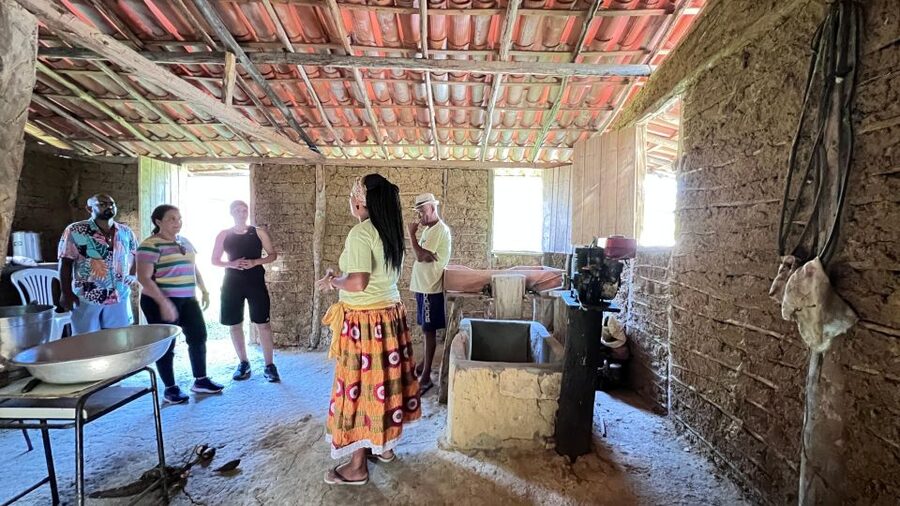
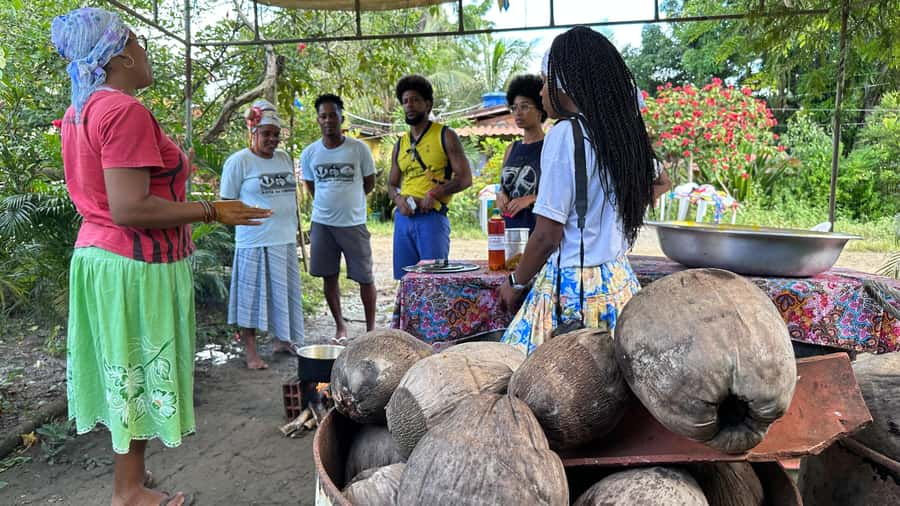
At Kaonge, time with the community’s griô, or elder, is one of the most important parts of the day. The elder carries oral knowledge and offers a perspective that a general history lecture cannot provide.
I would treat this meeting as a chance to listen rather than as a performance arranged for quick photographs. The attraction is the exchange itself: questions about community life, food, memory, and tradition can make the visit more meaningful than a short stop at a historic site.
The information provided does not promise a set talk, a particular ritual, or a fixed list of subjects. That is useful to remember. You are visiting a real community, and the exact conversation may depend on the day, the guide, and the people available.
This is also where respectful behavior matters. Dress is listed as smart casual, which fits the tone of the visit. Comfortable clothing is sensible, but avoid treating the community as a backdrop. Listen carefully, ask politely, and allow the encounter to have its own pace.
More old-town walks in Salvador:
- Historic City Tour in Salvador
★ 3.6 · 17 reviews - Rio de Janeiro: Historic Rio and Santa Teresa Half-Day Tour
★ 4.4 · 228 reviews - São Paulo: Downtown Historical Bike Tour
★ 4.9 · 191 reviews - Scenic Train ride to historical cities of Morretes and Antonina
★ 4.0 · 188 reviews
Making manioc flour by hand
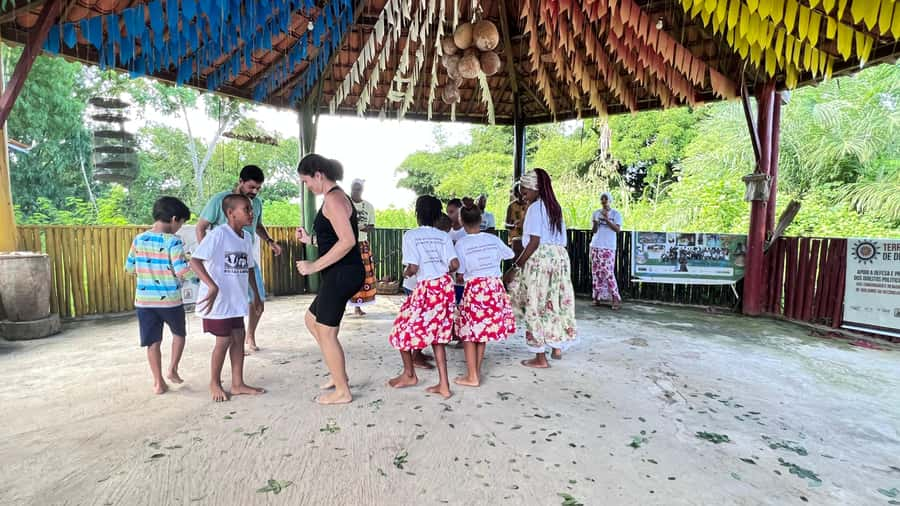
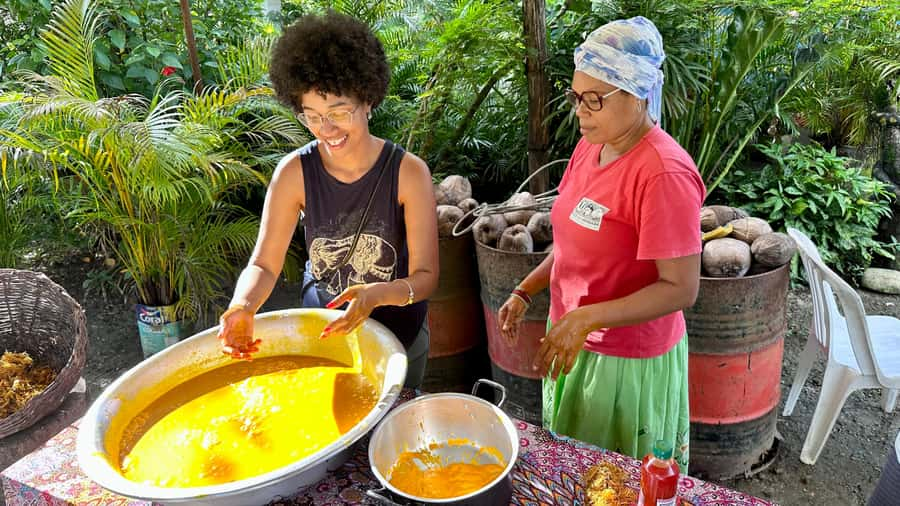
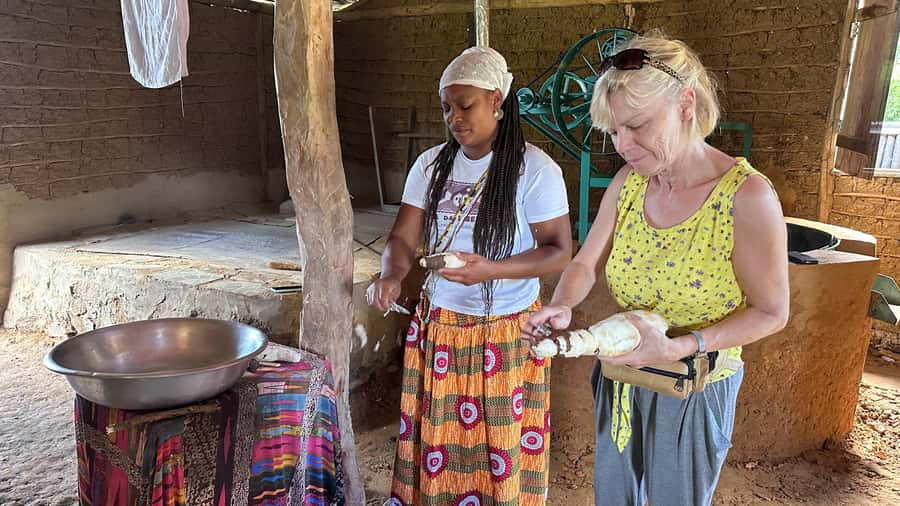
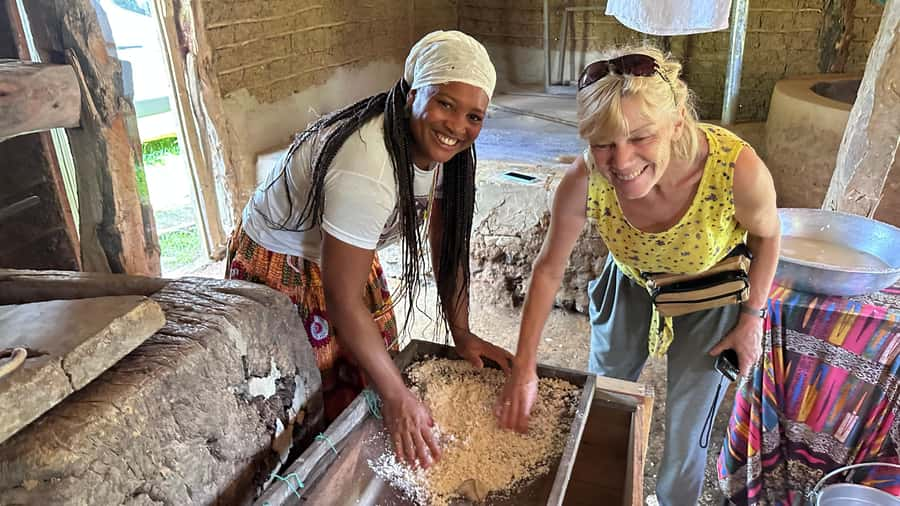
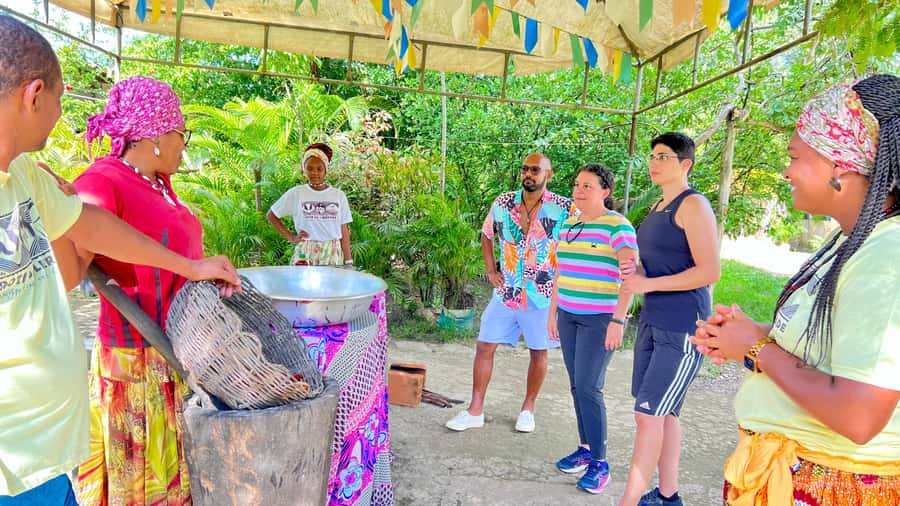
The clearest hands-on activity is learning how manioc becomes flour. Manioc, also called cassava, is a basic food across Brazil, and the tour gives you a look at the work behind a familiar staple.
You are shown the process and invited to participate. The description also includes learning how palm oil is made after lunch. These activities give the day a practical side: instead of only hearing that rural food traditions matter, you see the labor and methods involved.
Still, this is where the value question comes into play. One detailed assessment found the Quilombo activities more like a few basic demonstrations than a full workshop. You should not book expecting hours of craft instruction or a production course. The experience is better understood as a guided introduction with some participation.
That distinction will help you decide. If you enjoy food history, meeting local people, and trying a traditional process briefly, the flour-making segment may be just right. If you want sustained hands-on work with plenty of time to make products from start to finish, $170 may feel high.
Lunch with regional food
Lunch is included and is described as regional food, with a vegetarian option available if you request it when booking. Drinks are not included, so plan to pay separately for anything you want with the meal.
Food is one of the strongest reasons to connect Santo Amaro, the farms, and Kaonge in a single day. You have already seen manioc growing and then learn how it is processed. That gives the meal more meaning than eating an anonymous dish at a roadside stop.
The available information does not specify the exact menu, portion size, or drinks. I would not promise a particular regional specialty. Instead, expect food tied to the area, with the chance to ask your guide or hosts what you are eating.
If you have dietary needs beyond vegetarian food, confirm them before booking. The only specifically confirmed alternative is vegetarian, and advance notice is required.
Palm oil and the afternoon return
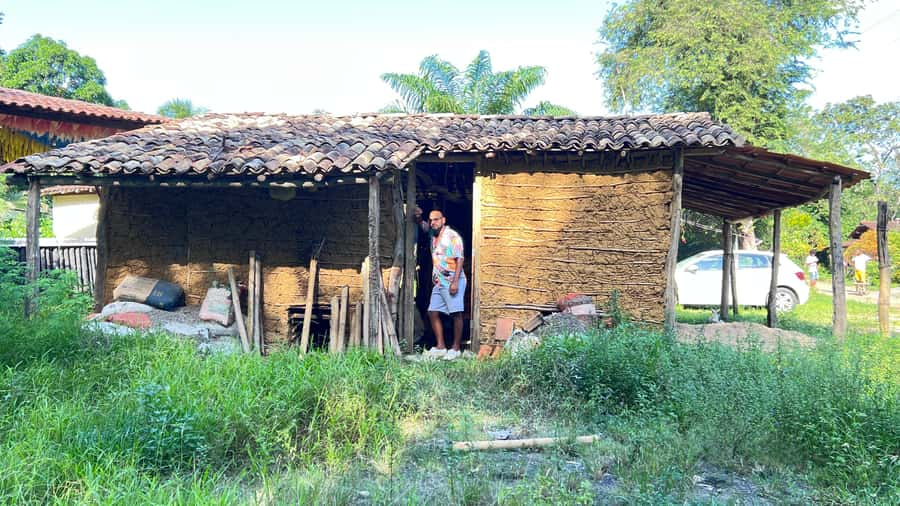
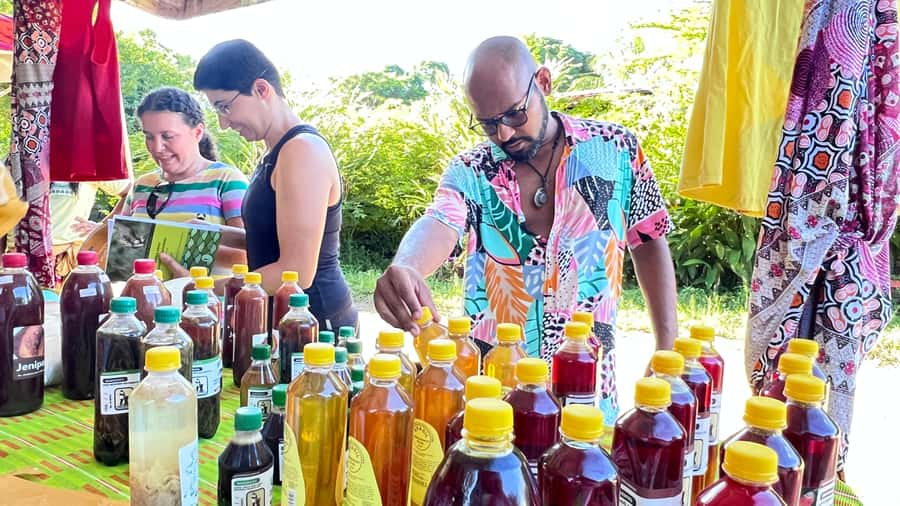
After lunch, you learn about palm oil production. This adds another food tradition to the day and shows that the community visit is not limited to manioc.
The schedule allows roughly three and a half hours for the main visit, including the community experience, lunch, guided time, walking, and free time. That is a generous block compared with the short stop in Santo Amaro, but it still has to cover several activities.
The balance between demonstration and free time may vary. Free time can be welcome after a long morning, but it can also feel unstructured if you expected every minute to include an activity. Ask your guide questions and use the quiet periods to speak with the community, rather than judging the stop only by how many formal demonstrations it contains.
The afternoon continues to Cachoeira, described as the most important city in the Recôncavo. The return route gives the day a final historic chapter instead of sending you straight back to Salvador after lunch.
Cachoeira, the Paraguaçu River, and the cigar factory
Cachoeira is a colonial city with a strong connection to the region’s past. The tour crosses the Paraguaçu River on a bridge built by the English in 1830, a striking piece of infrastructure that links the city with the road toward the Danneman cigar factory.
The bridge crossing is a short but memorable detail. It gives you a physical sense of the river and the old trade routes that helped connect the Recôncavo. The cigar factory adds an industrial and commercial layer to the day, although the supplied details do not promise a factory tour or a particular amount of time inside.
This final stop is best seen as a compact introduction. You are not signing up for a full Cachoeira city tour with every church, museum, and street covered. The itinerary must return you to Salvador, so the town visit is one part of a broader day.
The route can feel full. You begin with Santo Amaro, travel to Kaonge, spend several hours with the community, continue to Cachoeira, and then return to Salvador. The eight-hour estimate is helpful, but traffic and the pace of the group can affect the exact return time.
Is $170 a fair price?
At $170 per person, this is not a cheap day out. The price includes transportation, hotel pickup and drop-off, a guide, lunch, and the small-group format. Those inclusions matter, especially in a region where arranging several rural stops independently could be inconvenient.
The small group is the strongest argument for the price. A limit of four, or possibly up to six depending on the departure, gives you more access to the guide and less waiting at stops. The included meal also keeps the day simple.
The weaker part is the amount of formal activity at the Quilombo. The practical experience may consist of a few demonstrations and short periods of participation. If your main goal is to make manioc flour in depth, the cost may not feel justified.
I would compare it with the cost and effort of arranging a private driver, an accredited guide, lunch, and a community visit on your own. The tour bundles those pieces and removes much of the planning. For many visitors, that convenience is worth paying for. For a strict value seeker, the limited hands-on work is a real concern.
The cancellation policy gives you some flexibility: you can cancel up to 24 hours before departure for a full refund, and you can reserve now and pay later. Those terms reduce the risk of committing far ahead, though they do not change the basic question of whether the activities fit your interests.
Who will enjoy this day most?
I would recommend it to you if you want to go beyond Salvador’s main sights and learn about Bahia through food, farming, oral history, and community life. It suits curious visitors who prefer a small group and direct contact with local hosts.
It is also a good match if you are interested in the history of enslaved labor and the communities formed in response to it. The day does not isolate that subject in a lecture. You see its connection to sugar, agriculture, town life, and cultural survival.
You may be less satisfied if you want a major archaeological site, a long museum visit, or a packed schedule of formal attractions. You may also want to skip it if you dislike long drives or feel that a short demonstration is not enough to justify a full-day price.
The guide matters. Wilson has been praised for being fun and informative, and a strong guide can help connect the stops into one story. Since a different guide may lead your departure, the language you choose and the questions you bring will shape the experience.
Practical details that affect the day
Hotel pickup and drop-off in Salvador are included, which is a major convenience. The tour lasts eight hours, and starting times depend on availability.
Wear smart casual clothing. You will be walking in Santo Amaro and around the community, so comfort matters, but the visit also calls for respectful dress.
The experience is listed as wheelchair accessible. If you use a wheelchair, confirm the exact vehicle and ground conditions before booking, since the provided details do not explain how every rural or historic stop is handled.
Guiding is available in English, Spanish, and Portuguese. Lunch is included, but drinks are not. Request a vegetarian meal when you book, rather than waiting until the day itself.
The activity is listed as limited to four participants, while the highlights give a maximum of six. Ask the provider to confirm the group size for your date. Either way, it is designed as a small-group outing, not a large coach excursion.
Should you book the Quilombo Heritage Daytrip?
Book this day if your priority is a personal introduction to Quilombola culture, local food production, and the history of the Recôncavo. The elder’s perspective, the manioc lesson, lunch, and small group give the day a human scale that ordinary sightseeing often lacks.
Think twice if you expect a long, intensive workshop. The activities at the Quilombo can be fairly brief demonstrations, and that may leave you questioning the $170 price. I would choose it for the access, transport, guide, and cultural context, not for the quantity of attractions.
For the best fit, confirm the group size, request a vegetarian meal in advance if needed, and ask who will guide your date. If Wilson is leading and you value an engaging guide, that may strengthen the case. If you want a gentle, food-centered history day outside Salvador, this is a worthwhile choice. If you want maximum hands-on time for your money, look carefully at other options first.
FAQ
How long does the Quilombo Heritage Daytrip last?
The experience lasts eight hours, including transportation from Salvador, the stops in Santo Amaro and Cachoeira, the Quilombo visit, lunch, and the return to Salvador.
Is hotel pickup included?
Yes. Pickup and drop-off at your Salvador hotel lobby are included.
What languages are available?
The live guide is available in English, Spanish, and Portuguese.
Is lunch included?
Yes. Lunch is included, but drinks are not. A vegetarian option is available if you request it when booking.
How many people are in the group?
The activity information lists a small group limited to four participants. The highlights also describe a maximum of six, so confirm the exact group size for your departure.
Can I cancel the booking?
Yes. You can cancel up to 24 hours in advance for a full refund. The activity also offers reserve-now, pay-later booking.
Just added around Salvador
- Salvador: Schooner Cruise with Pickup and Itaparica Stop★ 3.8 · 5 reviews
- Salvador: Traditional Drumming and Percussion Workshop★ 4.4 · 10 reviews
- Salvador: Cultural Treasure – Samba de Roda.★ 4.9 · 51 reviews
- Salvador by Night: Cultural Show and Dinner.★ 4.4 · 17 reviews
- Salvador: 3-Hour Percussion Class★ 4.9 · 10 reviews
- Salvador: Caipirinha Masterclass with Unlimited Drinks★ 4.2 · 4 reviews
- Salvador: 4-Hour Candomblé Mysteries Tour★ 4.3 · 34 reviews
- Salvador by Night: Cultural Dinner and Show★ 4.7 · 27 reviews
Afro-Brazilian Heritage Tours, compared.
Explore Little Africa : Unveiling Afro Heritage in Rio de Janeiro
Read our review →
Afro-Brazilian Roots Private City Tour in Salvador
Read our review →

Browse the lists this tour appears in