
Reviewed · AFRO-BRAZILIAN HERITAGE TOURS
Salvador Historic Walking Tour – Pelourinho
Salvador’s past comes into focus on foot, especially as you move from Praça Castro Alves toward Pelourinho and see the city change block by block. I like the route’s mix of major sights, including the Lacerda Elevator and Rio Branco Palace, with smaller details about Salvador’s culture, faiths, and people. I also like the small group of up to 10, which gives guides such as Maria, Eduardo, Lara, and Aldison room to answer questions and adjust the pace.
The main drawback is value. At 2.5 hours, this is a gentle introduction rather than an all-day survey of Salvador, and some people may feel the price is high for the number of sights covered. You will also spend much of the time walking outdoors, so sturdy shoes, water, and realistic expectations matter.
Key points to know before you book
- The route links Salvador’s lower city views with Pelourinho’s colonial streets, making it a useful first look at the historic center.
- The small group is limited to 10 people, a practical size for questions and personal suggestions.
- The tour is offered in English, Spanish, and Portuguese, with the guide assigned to your departure.
- The main stops include Rio Branco Palace, Lacerda Elevator, Cruz Caída, Pelourinho, and São Francisco Church.
- The walk explains culture as well as architecture, including Salvador’s ethnic mix, religions, and Afro-Brazilian identity.
- The pace is leisurely, which suits sightseeing and conversation but may disappoint you if you want a long list of attractions.
Starting at Praça Castro Alves
Your meeting point is in front of Cine Metha at Praça Castro Alves, at approximately -12.977219, -38.514328. This is a useful central starting place for a walk into Salvador’s historic core, but check the exact cinema entrance before setting out so you are not searching around the square at departure time.
The route begins outside Pelourinho, which is one of its better features. You do not simply arrive at the famous colorful streets and hear a quick explanation of the buildings. Instead, the walk gives you a sense of how the surrounding center changes as you approach the UNESCO-listed area.
That first section can be especially useful if you have never visited Salvador. One person found it the most valuable part because it showed how the neighborhood is changing in real time. You see a more complete picture of the city rather than a polished postcard version of Pelourinho alone.
The guide may also use this opening stretch to learn what interests you. Eduardo has been praised for offering suggestions based on individual preferences, while Maria has been described as attentive and willing to shape the walk around questions. Since the guide varies, the exact tone will depend on who leads your group.
More Afro-Brazilian heritage walks in Salvador:
- Afro-Brazilian Roots Private City Tour in Salvador
★ 4.7 · 88 reviews - Salvador: Walking Tour Through Pelourinho
★ 5.0 · 49 reviews - Salvador: 4-Hour Candomblé Mysteries Tour
★ 4.3 · 34 reviews
Rio Branco Palace and Salvador’s civic story
Rio Branco Palace is one of the first major landmarks on the route. Its importance is not just visual. A guide can use it to explain how Salvador developed as a center of government, power, and public life in Brazil.
This is where a good walking tour earns its keep. A building can be impressive on its own, but the details about who used it, why it mattered, and how it fits into Salvador’s development give the façade meaning. The information provided for this walk emphasizes Salvador’s broader story, including its people, beliefs, and cultural mix.
Do not expect a museum visit or a long interior tour here. The experience is built around outdoor interpretation and movement through the city. If you want extensive time inside each landmark, you may find the schedule too light. If you prefer to keep walking and build a mental map, the format works well.
Several guides have been praised for clear explanations and a friendly manner. Aldison, for example, has been noted for strong English and useful explanations of Salvador’s history, culture, and religions. That combination is important in a city where architecture alone tells only part of the story.
Riding the story of the Lacerda Elevator
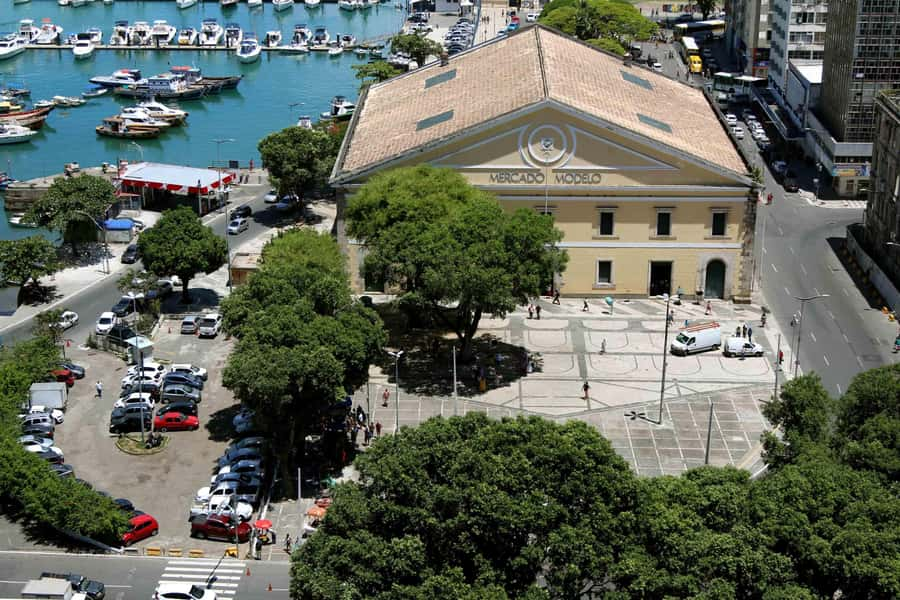
The Lacerda Elevator is one of Salvador’s best-known sights and a practical symbol of the city’s steep geography. It connects the upper and lower parts of the city, and from the surrounding area you can appreciate why movement between these levels has shaped daily life here.
The tour treats the elevator as more than a photo stop. It helps explain the layout of Salvador and why the historic center feels so layered. You may be looking down toward the water one moment, then turning uphill toward old buildings and busy public spaces the next.
The supplied information does not say that the ticket price is included or that the group rides the elevator. Do not assume either. The listed experience is a walking tour, so ask the guide on the day if riding the elevator is part of your departure or simply an exterior stop.
I like having this landmark early in the route because it gives you a useful orientation. After the walk, you are more likely to understand the difference between the upper historic center and the lower waterfront area. That helps when planning the rest of your time in Salvador.
Cruz Caída and the open ocean view
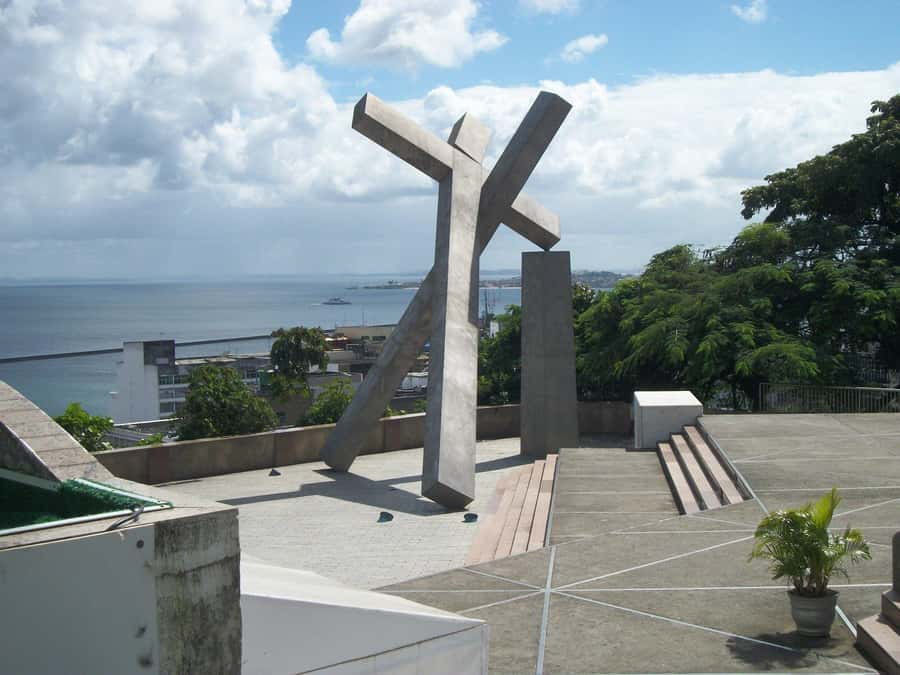
The stop at Praça da Cruz Caída brings a welcome change of pace. Here you can pause for views toward the ocean and take in Salvador’s coastal setting. It is a good place for photographs, but the view also provides context for the city’s location and its historic connection to the sea.
This is one of the quieter pleasures of the itinerary. The tour is not only a march from one famous building to the next. Short pauses at open squares give you space to look around and understand how the city is arranged.
The square also offers a practical break from the narrow streets of Pelourinho. If you are sensitive to heat, you will appreciate the chance to slow down. The walk lasts 2.5 hours, and the tropical setting means comfort can affect how much you absorb.
Bring water and wear shoes with good grip. The experience description does not provide a detailed accessibility statement, so you should ask the operator about surfaces, slopes, and any mobility concerns before booking.
More old-town walks in Salvador:
- Historic City Tour in Salvador
★ 3.6 · 17 reviews - From Salvador: Quilombo Heritage Daytrip with Lunch
★ 3.4 · 3 reviews - Rio de Janeiro: Historic Rio and Santa Teresa Half-Day Tour
★ 4.4 · 228 reviews - São Paulo: Downtown Historical Bike Tour
★ 4.9 · 191 reviews
Entering Pelourinho’s 17th and 18th-century streets
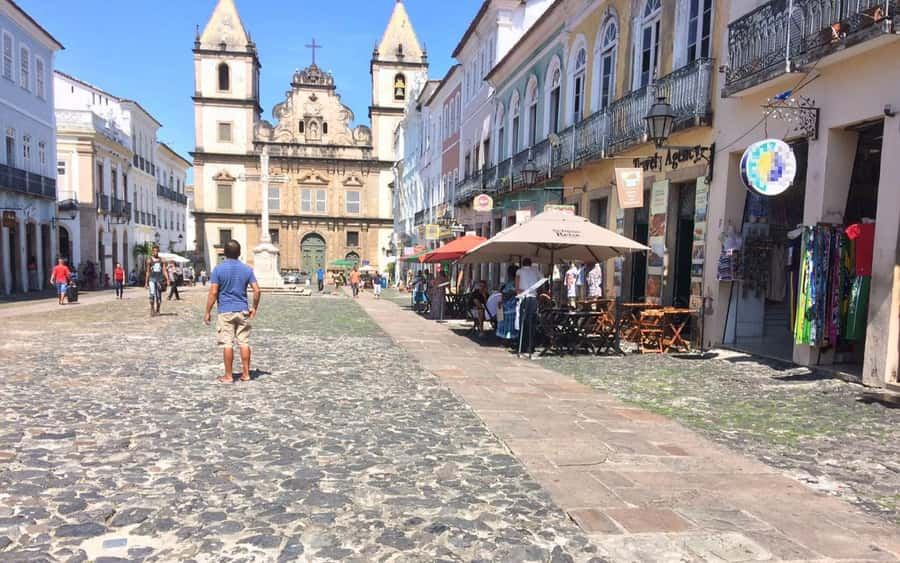
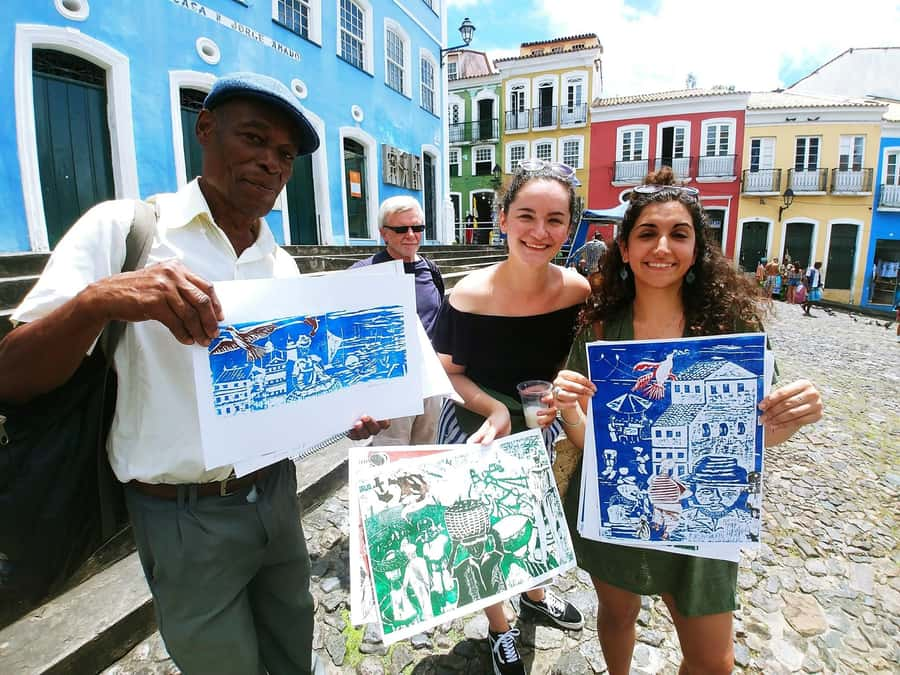
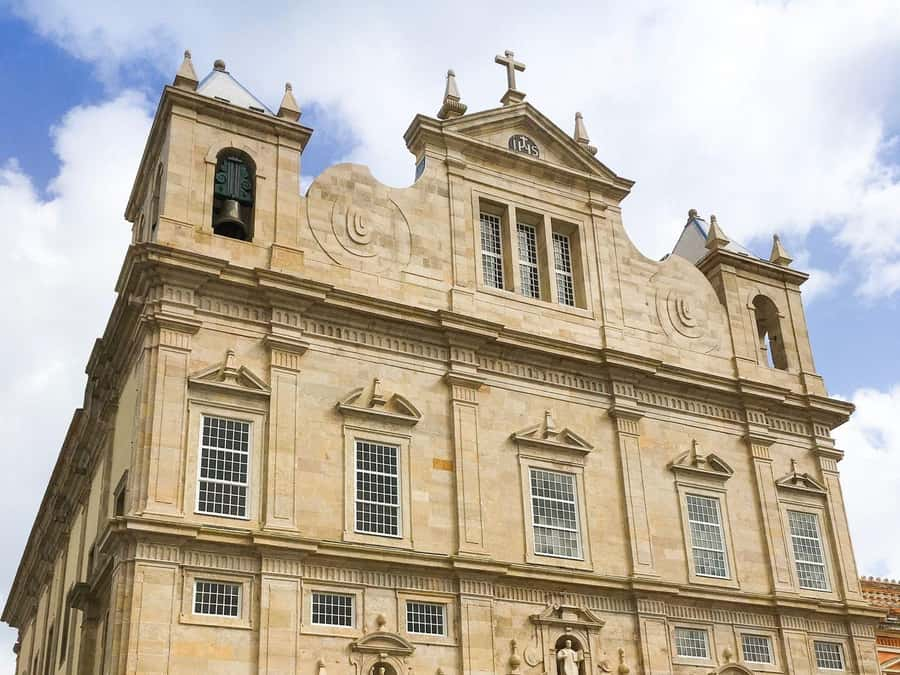
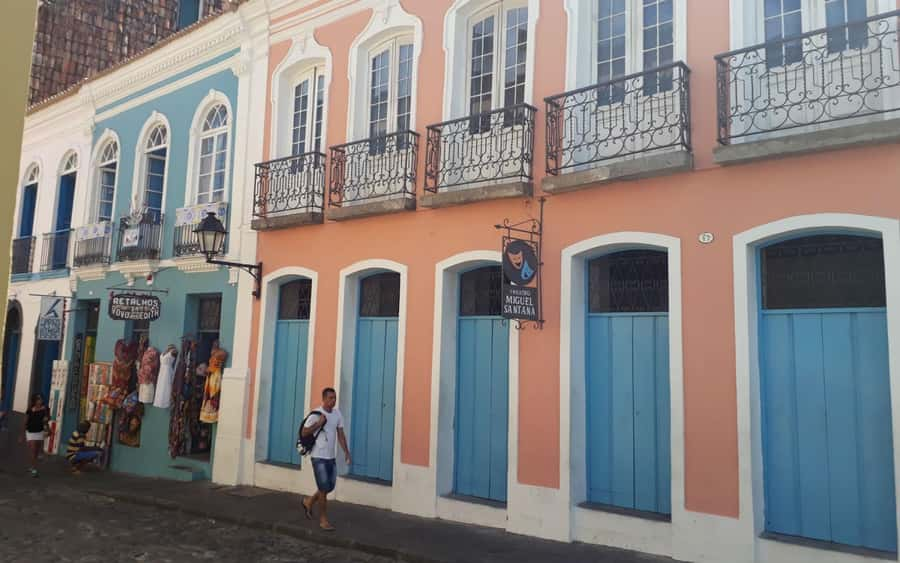
Pelourinho is the visual center of the tour. Its 17th and 18th-century mansions, painted façades, and sloping streets explain why the neighborhood received UNESCO World Heritage status. The setting is striking, but the guide’s explanation matters because these buildings are tied to complicated stories of colonial power, slavery, religion, and urban change.
You will have time to look closely at the architecture rather than rushing through in a vehicle. That is a major advantage. You can notice doorways, balconies, churches, and the way public squares frame the buildings.
At the same time, keep your expectations measured. The tour covers several important points, but it does not promise entry into every building. If your main goal is a detailed architectural study or a long visit to museums, you will need to add those separately.
The neighborhood has also appeared in popular culture. The streets were used in the music video for Michael Jackson’s They Don’t Care About Us. That connection may be familiar, but the guide can place it within the larger story of Pelourinho rather than treating it as the neighborhood’s only claim to fame.
Largo do Pelourinho and São Francisco Church
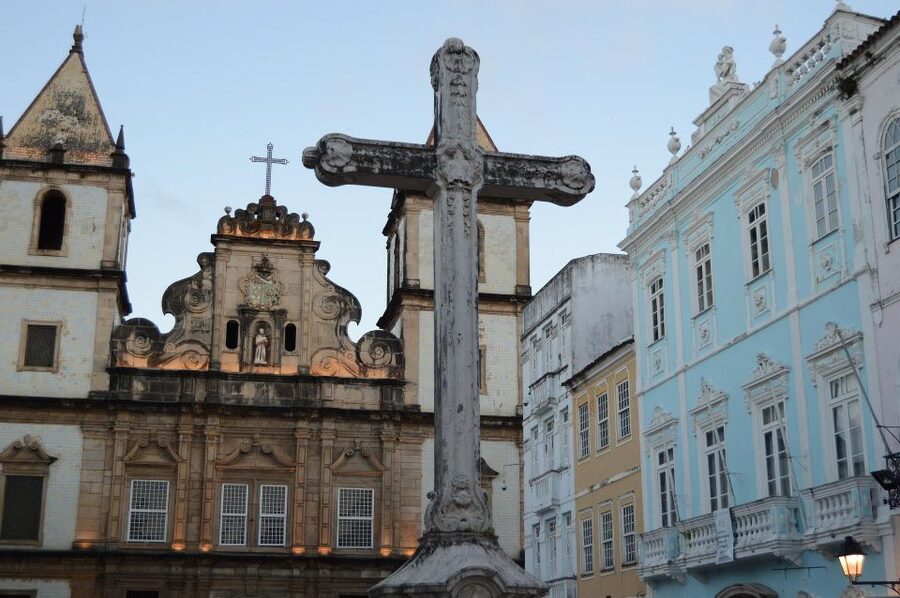
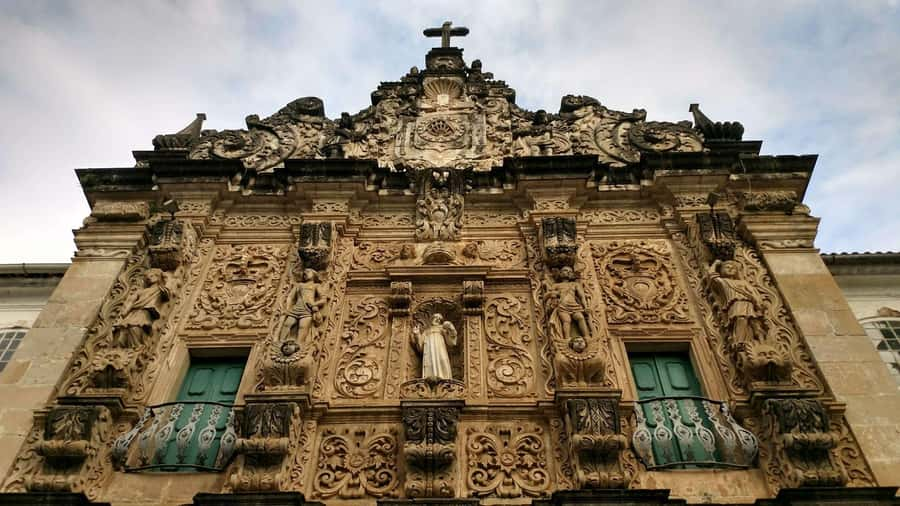
The walk continues to Largo do Pelourinho, the square most closely linked with the district’s name. This is where the visual appeal of the area becomes hard to miss. Colorful buildings frame the square, and the surrounding streets make a natural setting for a guide to explain Salvador’s colonial past and present-day culture.
São Francisco Church adds another layer. Its Baroque design is one of the key artistic sights in the historic center, and the church helps show how religion shaped Salvador’s public life and buildings. The route identifies it as a highlight, but the supplied details do not confirm that the interior entrance is included.
If you want to see the inside, ask whether there is time and whether admission is separate. That small question can prevent disappointment, especially if you are comparing this walk with a private city tour that includes more interior visits.
The strongest part of the experience is the connection between places. The church, the square, the mansions, and the wider discussion of beliefs make more sense together than they would as isolated photo stops.
Culture, food, and the human side of the walk
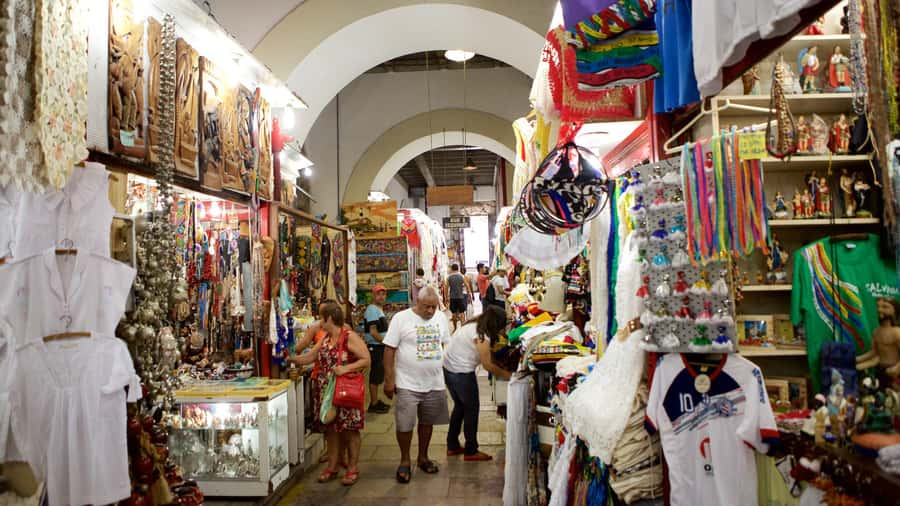
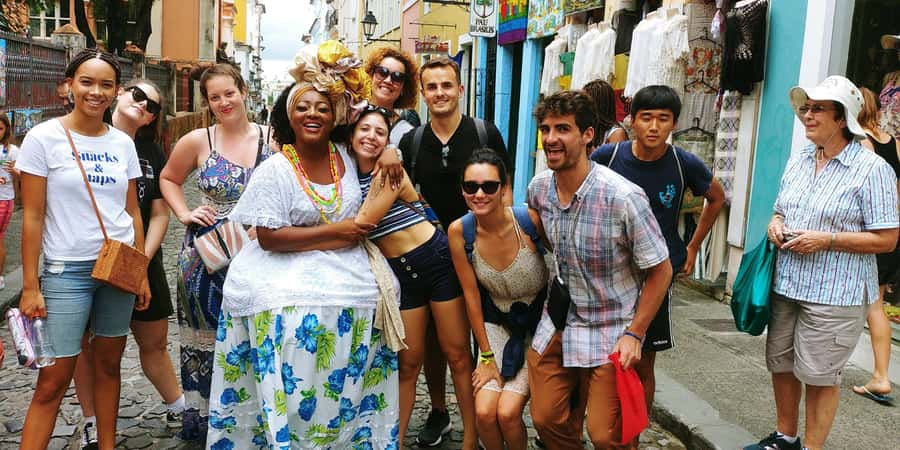
Salvador is shaped by an ethnic mix and a meeting of cultural and religious traditions. The tour aims to explain that blend rather than presenting Pelourinho as a decorative old quarter.
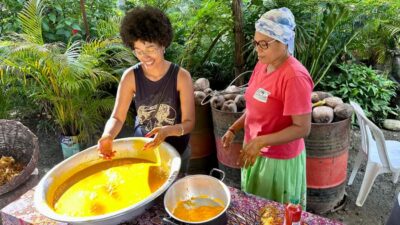
The guide may discuss Afro-Brazilian influences, local beliefs, and the people who shaped Salvador. The formal description also promises a chance to feel, touch, and taste a little of the culture, though the exact food or drink stops are not specified. One guest described tasting several meals and drinks with Maria, but you should treat that as a possible guide-specific addition rather than a guaranteed part of every departure.
That distinction matters. If tasting is important to you, ask before booking what is included and whether you should bring extra money. Do not assume food or drinks are covered in the tour price.
I like the cultural focus because it gives the route more weight than a quick architecture walk. Salvador’s story cannot be understood through façades alone. The most useful guides connect buildings with people, music, faith, race, and daily life.
How the guides shape the experience
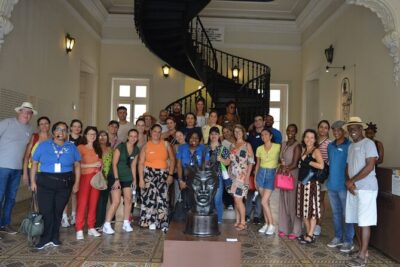
The assigned guide is likely to make the biggest difference. The tour is offered in English, Spanish, and Portuguese, and several named guides have received strong praise for their style.
Maria has been described as attentive and flexible. She reportedly waited when a cruise passenger arrived late and then added food and drink tastes to the experience. Lara has been praised for a complete visit with plenty of information about Salvador’s place in Brazilian history. Eduardo is noted for practical tips and for adapting the walk to individual interests.
Aldison’s English has been singled out as clear, with helpful explanations of history, culture, and religion. Edval has also received praise for his guiding. These names do not guarantee who you will get, but they show the range of guide styles associated with the experience.
A useful detail is that one guide made contact the day before, which helped a solo participant feel more secure about the meeting arrangements. That is a small but welcome touch, especially if you are arriving in Salvador by cruise ship or are unfamiliar with the city.
Time, group size, and value
Two and a half hours is enough time to connect the main sights without turning the outing into an endurance test. The leisurely pace suits you if you want explanations, photographs, and occasional questions. It is less suitable if you want to cover every church, museum, and square in the historic center.
The group is capped at 10 people. That is small enough for a guide to hear you and for the walk to feel more personal than a large coach excursion. It also explains why the tour can adapt to different interests, although a group still has to share its time.
Price is the main question. The activity is presented as a free walking tour, but you should check the current booking price and any expected payment arrangement before committing. Two people felt the cost was excessive for the amount covered, while most of the available ratings are very strong, with an overall score of 4.8 from 62 ratings.
The value depends on what you want. If you need a quick orientation, cultural context, and practical suggestions for the rest of your stay, the walk can pay off by helping you use Salvador better. If you are judging value by the number of buildings entered or attractions visited, it may feel expensive.
Flexible booking helps reduce the risk. You can cancel up to 24 hours before the activity for a full refund, and the reserve-now, pay-later option lets you hold a place without paying immediately. Check the current terms when booking.
Who should book this Pelourinho walk
I would choose this tour for a first visit to Salvador, especially if you want context before exploring on your own. It is also a good match for solo visitors who value a small group and for cruise passengers who need a compact introduction to the historic center.
You will get the most from it if you enjoy walking, asking questions, and learning how landmarks fit into a larger story. The English, Spanish, and Portuguese options make it useful for a broad range of visitors.
I would look elsewhere if you want a private itinerary, extensive museum time, or a long list of stops. A private Salvador city tour or a tour focused specifically on African heritage may suit those goals better. This experience is an introduction, not a complete survey of the city.
My booking verdict for Salvador’s historic center
Book it if you want a friendly, small-group walk that connects Rio Branco Palace, Lacerda Elevator, Cruz Caída, Pelourinho, and São Francisco Church with Salvador’s culture and past. The strongest reason to go is the guide-led context, especially if you are lucky enough to have someone like Maria, Eduardo, Lara, or Aldison.
Think twice if the price is high for your budget or if you expect many interior visits. The route is leisurely and focused, and its value comes from explanation and orientation rather than sheer quantity.
For most first-time visitors, I would use this as an opening walk, then return to the places that caught your attention. That is the sensible way to handle Salvador: let the historic center introduce itself, then spend more time where your curiosity takes you.
FAQ
How long does the Salvador Historic Walking Tour last?
The tour lasts 2.5 hours.
Where does the tour meet?
The meeting point is in front of Cine Metha at Praça Castro Alves. The coordinates are approximately -12.977219, -38.514328.
Which landmarks are included?
The route includes Rio Branco Palace, the Lacerda Elevator, Praça da Cruz Caída, Largo do Pelourinho, and São Francisco Church.
Does the tour visit Pelourinho?
Yes. The route continues into Pelourinho, including its 17th and 18th-century mansions and Largo do Pelourinho.
Is the tour offered in English?
Yes. The available languages are English, Spanish, and Portuguese.
How large is the group?
The activity is limited to 10 participants.
Is food or drink tasting included?
Food and drink tasting is not clearly listed as a guaranteed feature. One guide has included several tastes during a tour, so ask what applies to your departure before booking.
Can I cancel for a full refund?
You can cancel up to 24 hours in advance for a full refund.
Can I reserve now and pay later?
Yes. The booking option allows you to reserve a place and pay later, keeping your plans flexible.
More Walking Tours in Salvador
- Salvador, Bahia: A amazing Walking Tour!
★ 5.0 · 14 reviews - Rio de Janeiro: Rocinha Favela Walking Tour with Local Guide
★ 4.8 · 3,052 reviews - Rio De Janeiro: Half-Day Rocinha Favela Walking Tour
★ 4.7 · 2,272 reviews - Sunrise and Sunrise Walk Two Brothers with Local Guide
★ 5.0 · 193 reviews
Just added around Salvador
- Salvador: Schooner Cruise with Pickup and Itaparica Stop★ 3.8 · 5 reviews
- Salvador: Traditional Drumming and Percussion Workshop★ 4.4 · 10 reviews
- Salvador: Cultural Treasure – Samba de Roda.★ 4.9 · 51 reviews
- Salvador by Night: Cultural Show and Dinner.★ 4.4 · 17 reviews
- Salvador: 3-Hour Percussion Class★ 4.9 · 10 reviews
- Salvador: 4-Hour Candomblé Mysteries Tour★ 4.3 · 34 reviews
- Salvador by Night: Cultural Dinner and Show★ 4.7 · 27 reviews
- Salvador: Caipirinha Masterclass with Unlimited Drinks★ 4.2 · 4 reviews
Afro-Brazilian Heritage Tours, compared.
Explore Little Africa : Unveiling Afro Heritage in Rio de Janeiro
Read our review →
Afro-Brazilian Roots Private City Tour in Salvador
Read our review →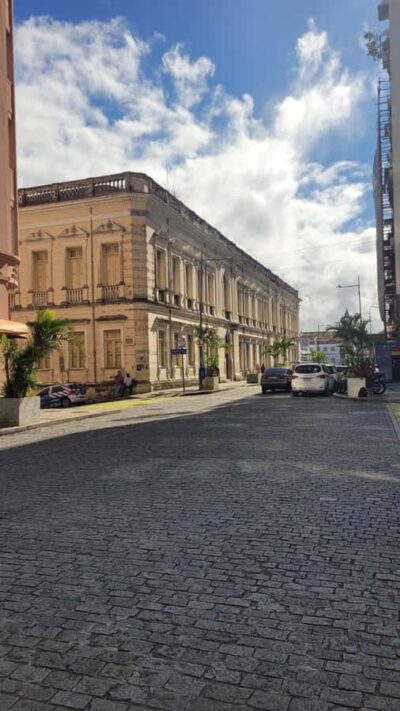

Browse the lists this tour appears in